Countdown to America's 250th Anniversary
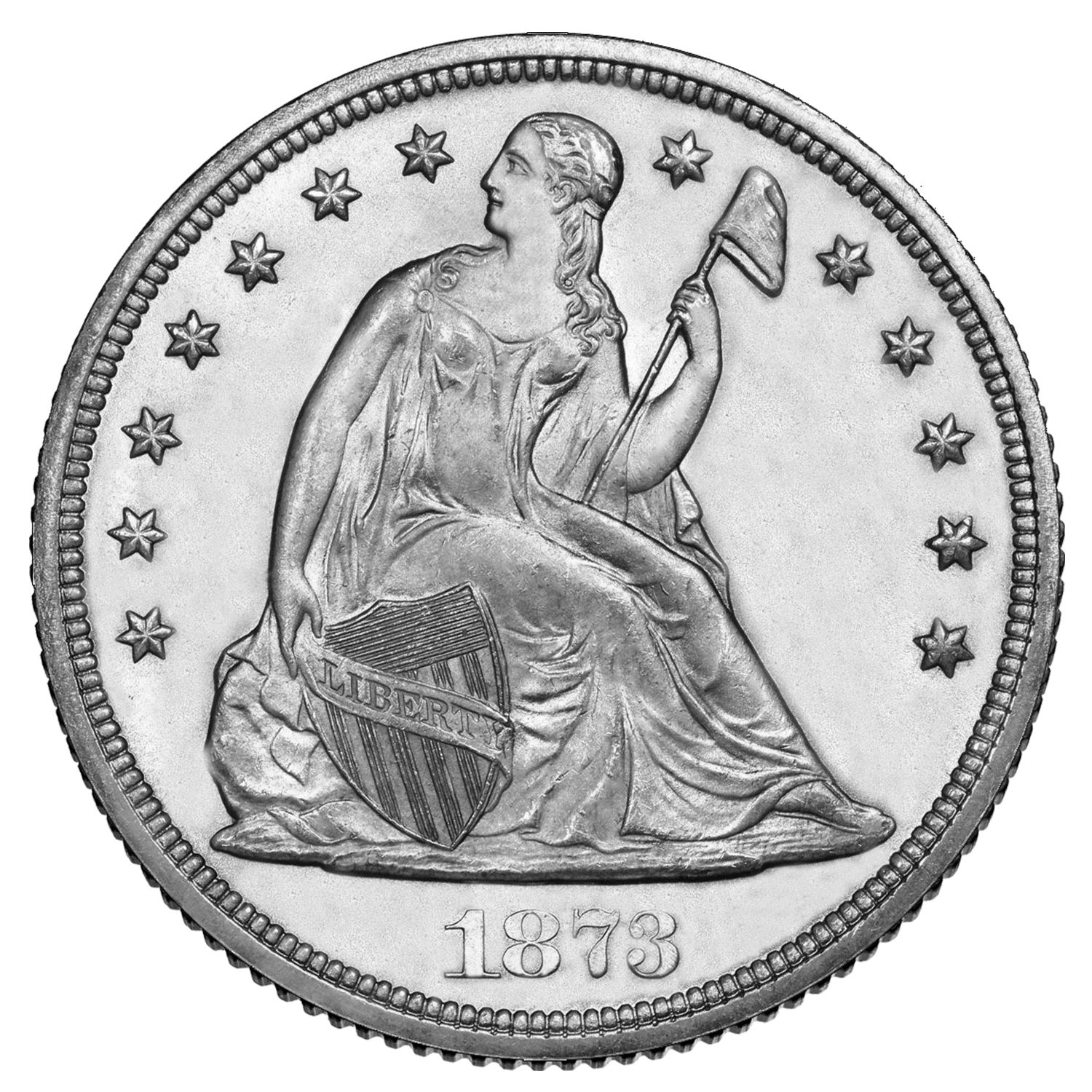
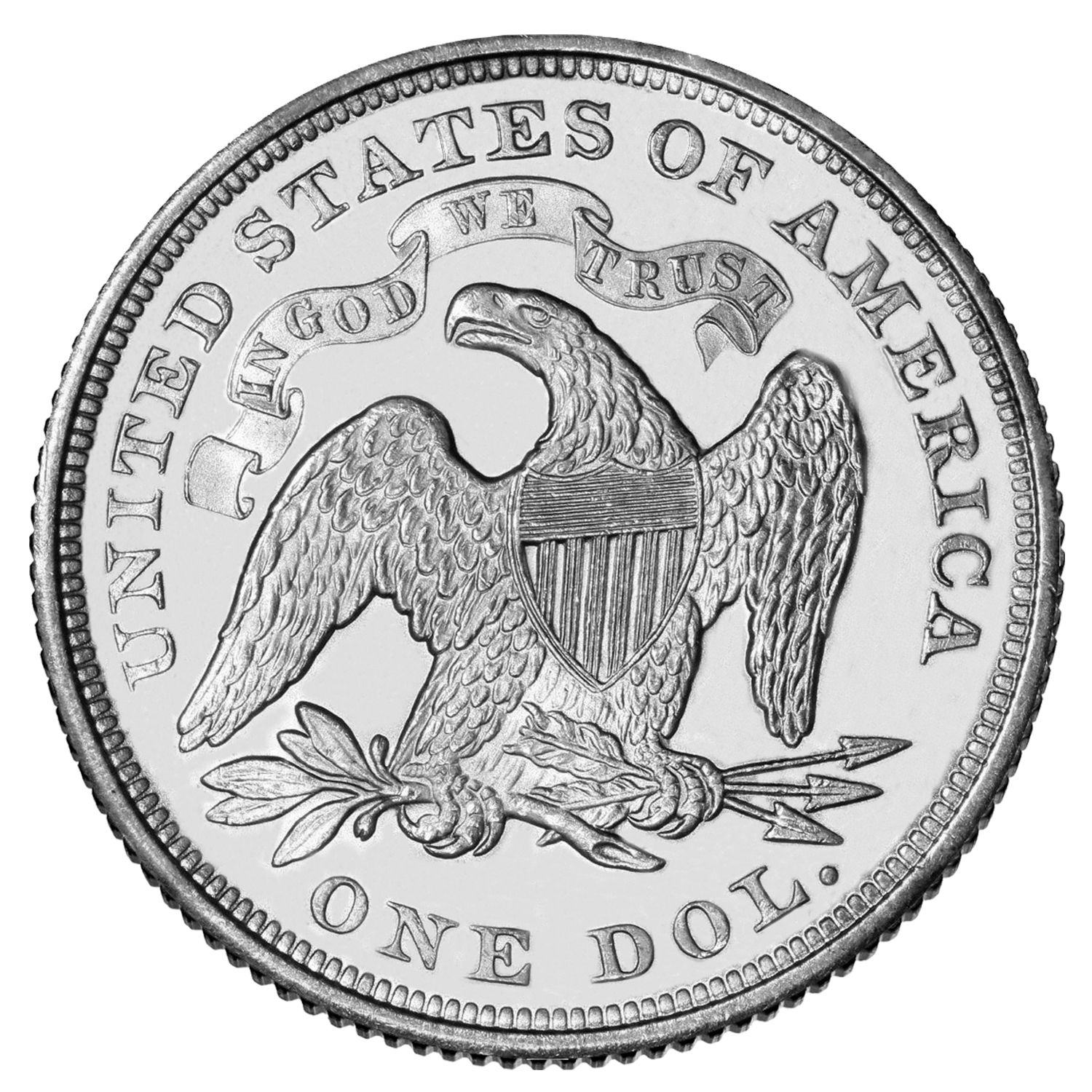
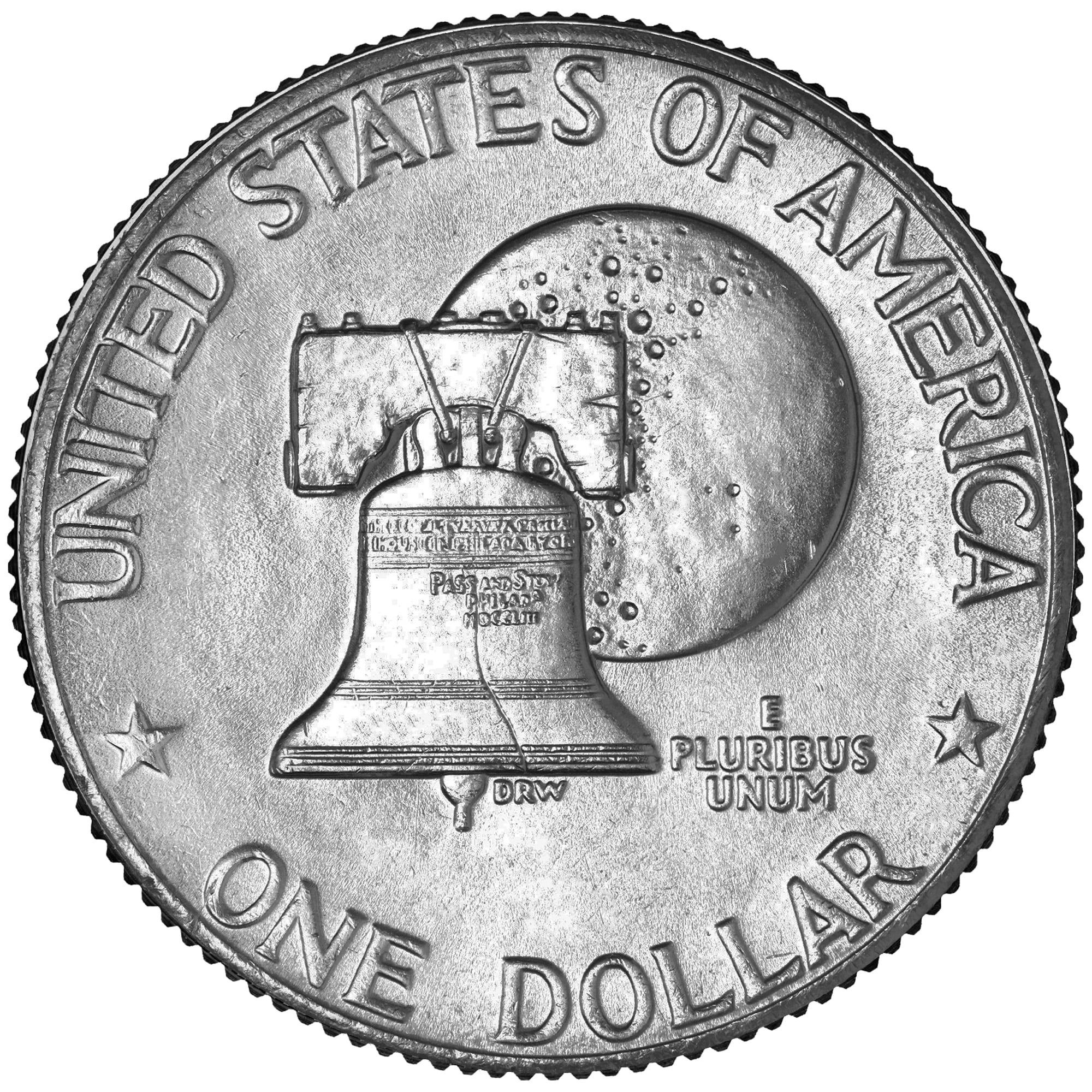
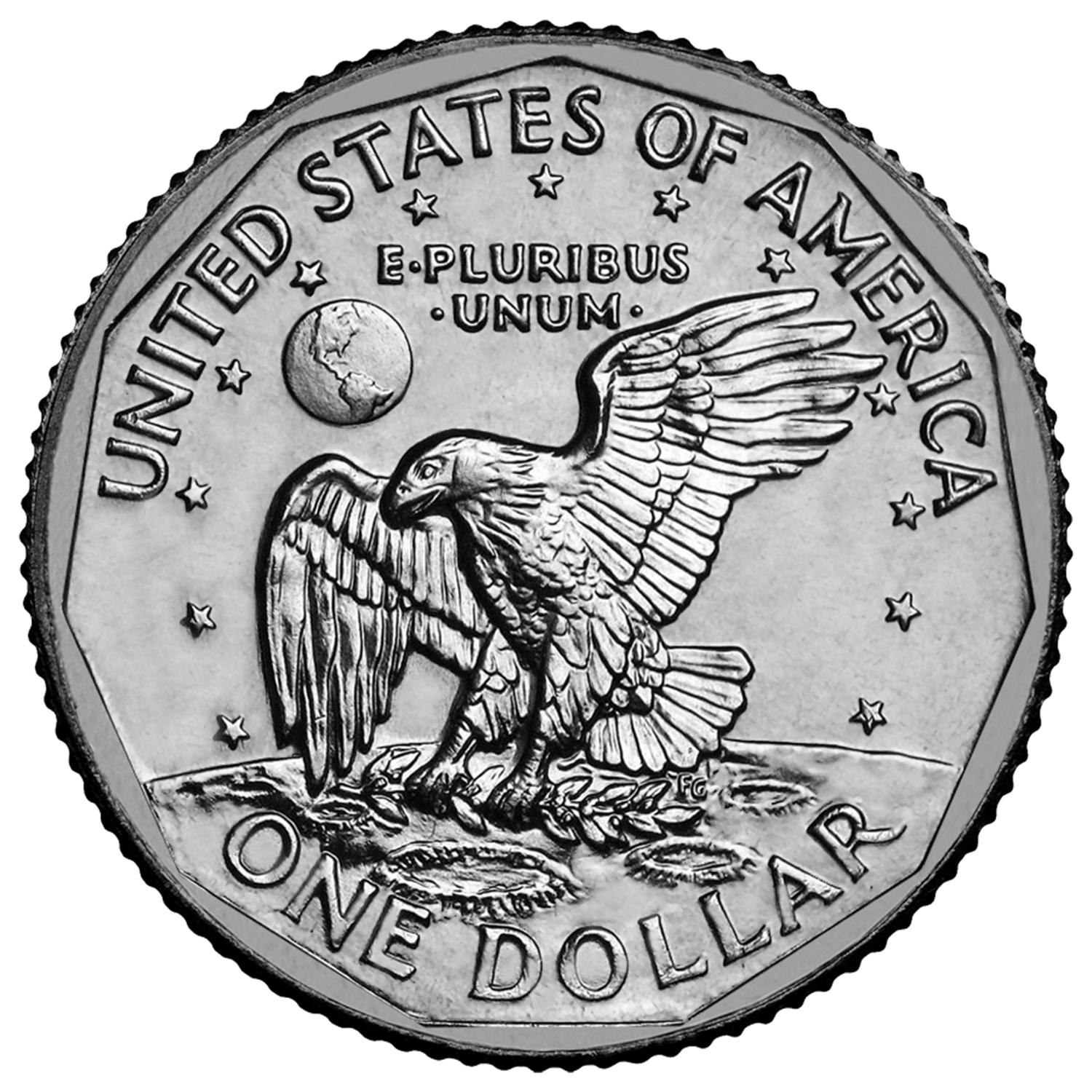
 The dollar coin has a rich history, dating back to the founding days of our Nation.
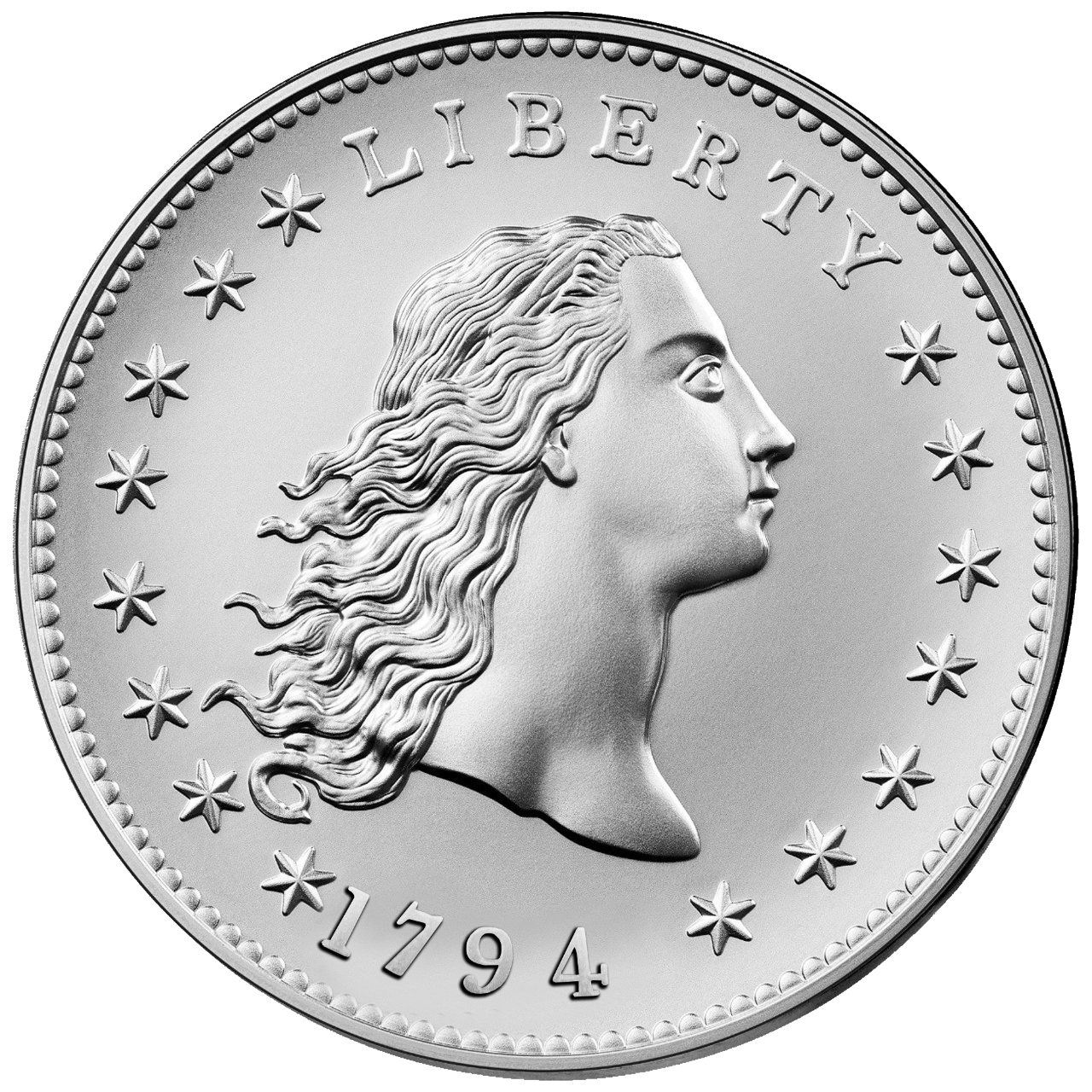
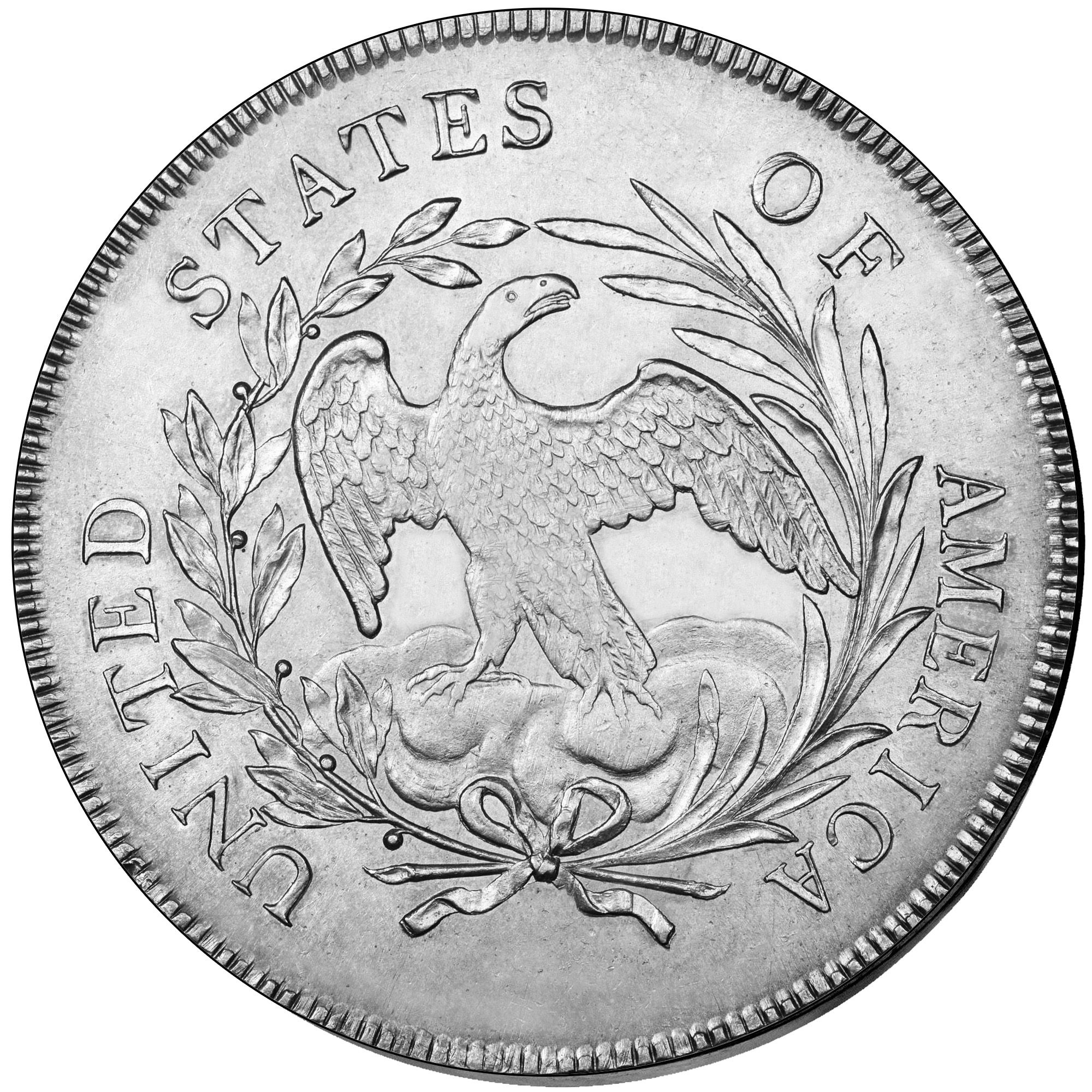
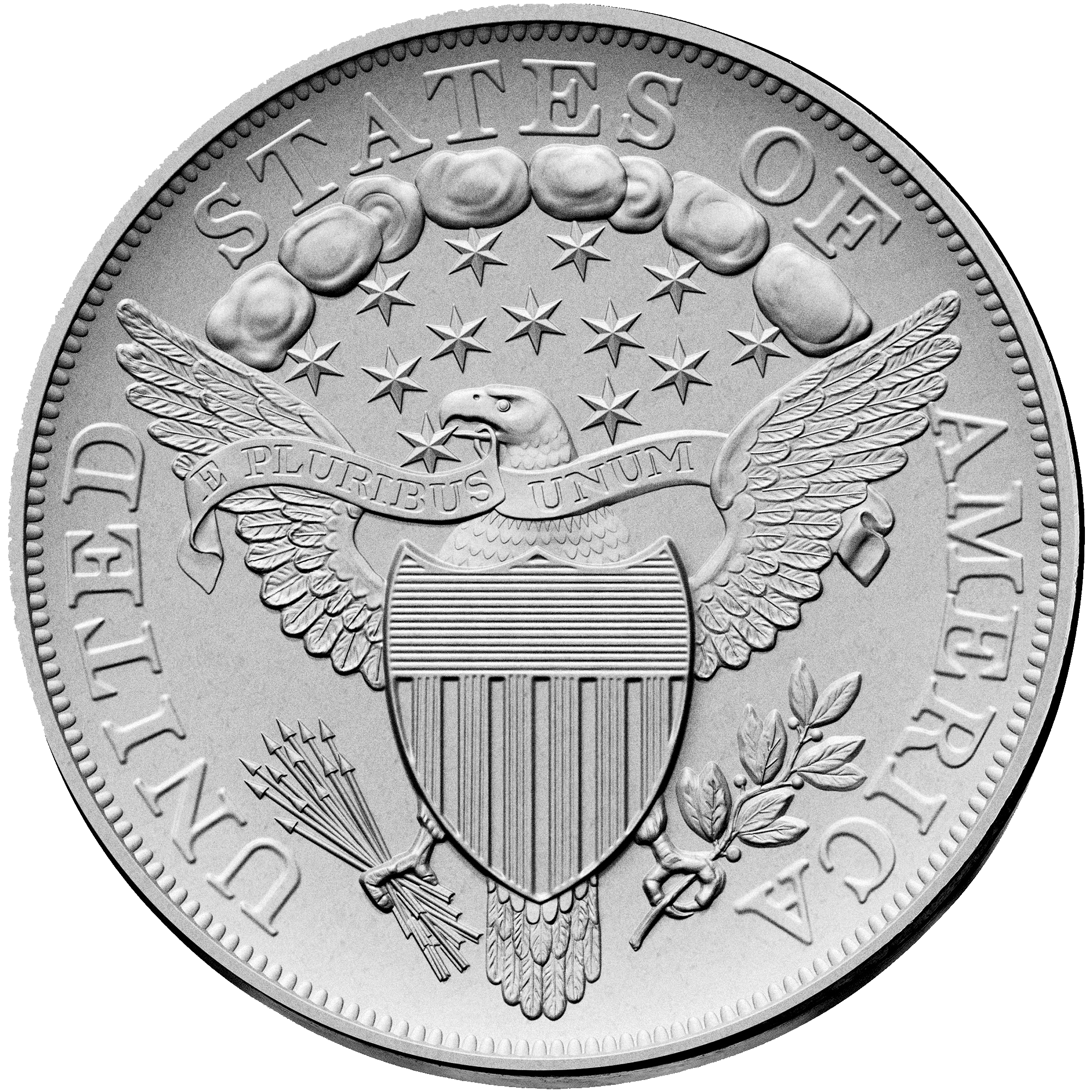
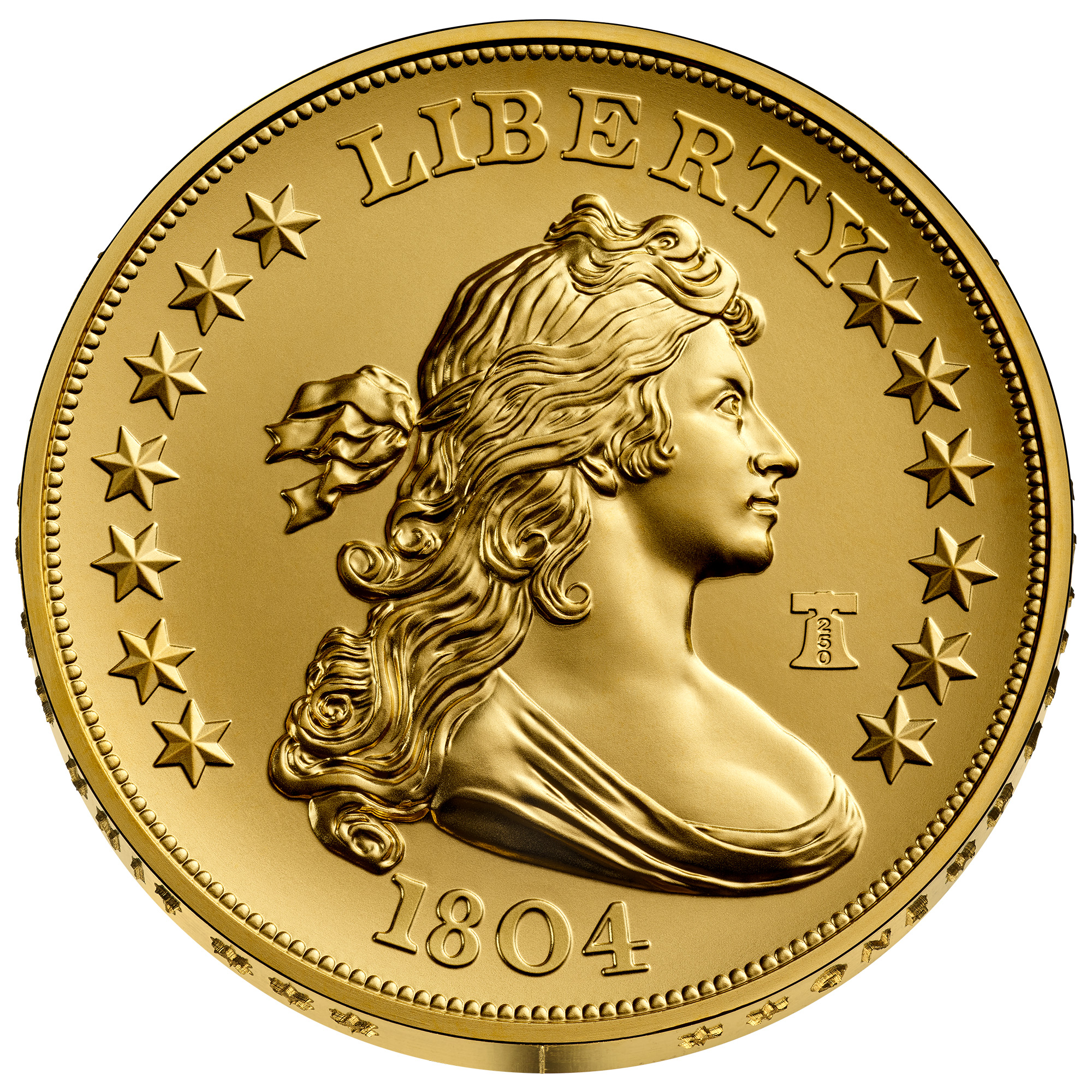
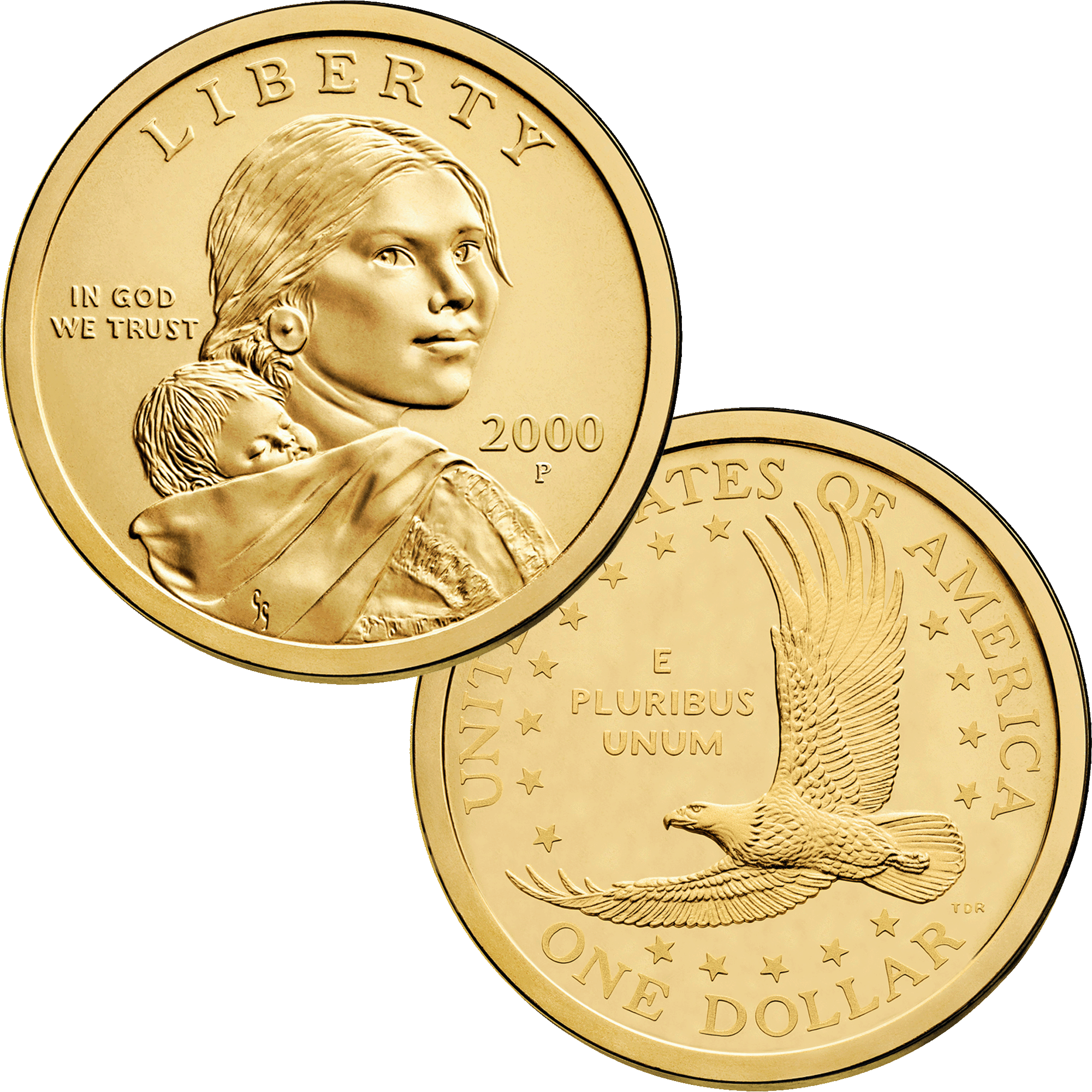
Congress established the U.S. Mint with the passage of the Coinage Act of 1792. Our new Nation adopted the dollar as the standard money unit based on the popularity of the Spanish milled dollar, which circulated heavily in the colonies due to its consistent metal content. The Act regulated coinage by specifying metallic contents and denominations. The act also directed that coins have an “impression emblematic of liberty,” the inscription “LIBERTY,” and the year of coinage on the obverse side. The reverse of silver coins, such as the dollar, should have a representation of an eagle and the inscription, “UNITED STATES OF AMERICA.”
Coinage of silver dollars and gold eagle coins began shortly after the Coinage Act of 1792. But at first, these coins didn’t circulate. U.S. gold coins were undervalued compared to silver, so they were mostly exported and melted. Silver dollars were also exported for use in international trade or stored as bullion.
First struck in 1794 by the first U.S. Mint in Philadelphia, the original dollar used the Flowing Hair design, which was resurrected by the Mint for its 230th Anniversary Flowing Hair Gold Coin & Silver Medal in 2024.