icon-dot-gov icon-https Locked padlock icon
USA Flag
An official website of the United States government. Close/span>

Mayflower 400th Anniversary Program

2020 marked the 400th anniversary of the journey of the Mayflower, bringing Pilgrims and migrants from England across the Atlantic Ocean to start a new life. To commemorate this historic journey and the lasting partnership forged in the Mayflower Compact, the U.S. Mint and The Royal Mint in the United Kingdom collaborated to create a collection of Mayflower 400th Anniversary coins and medals.

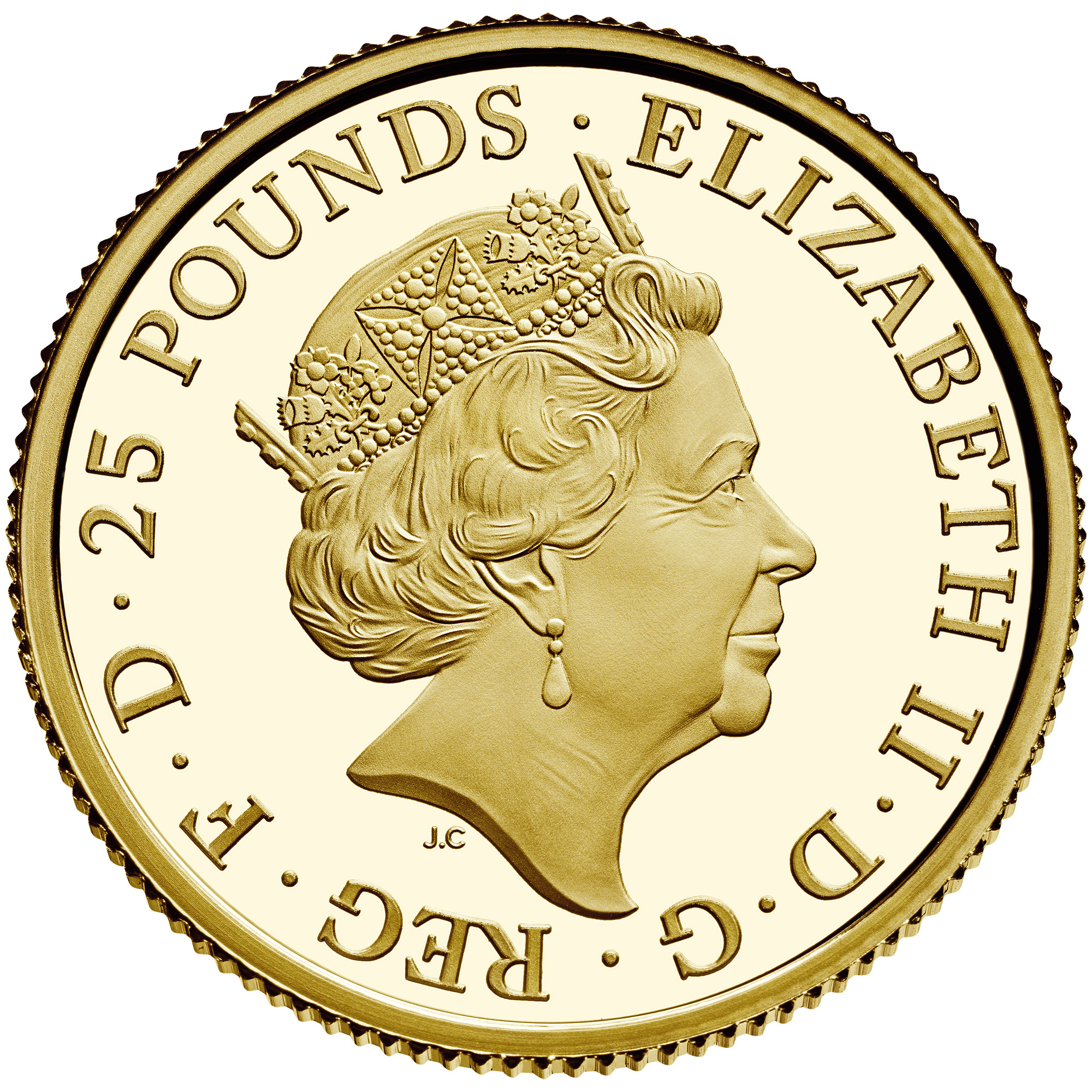
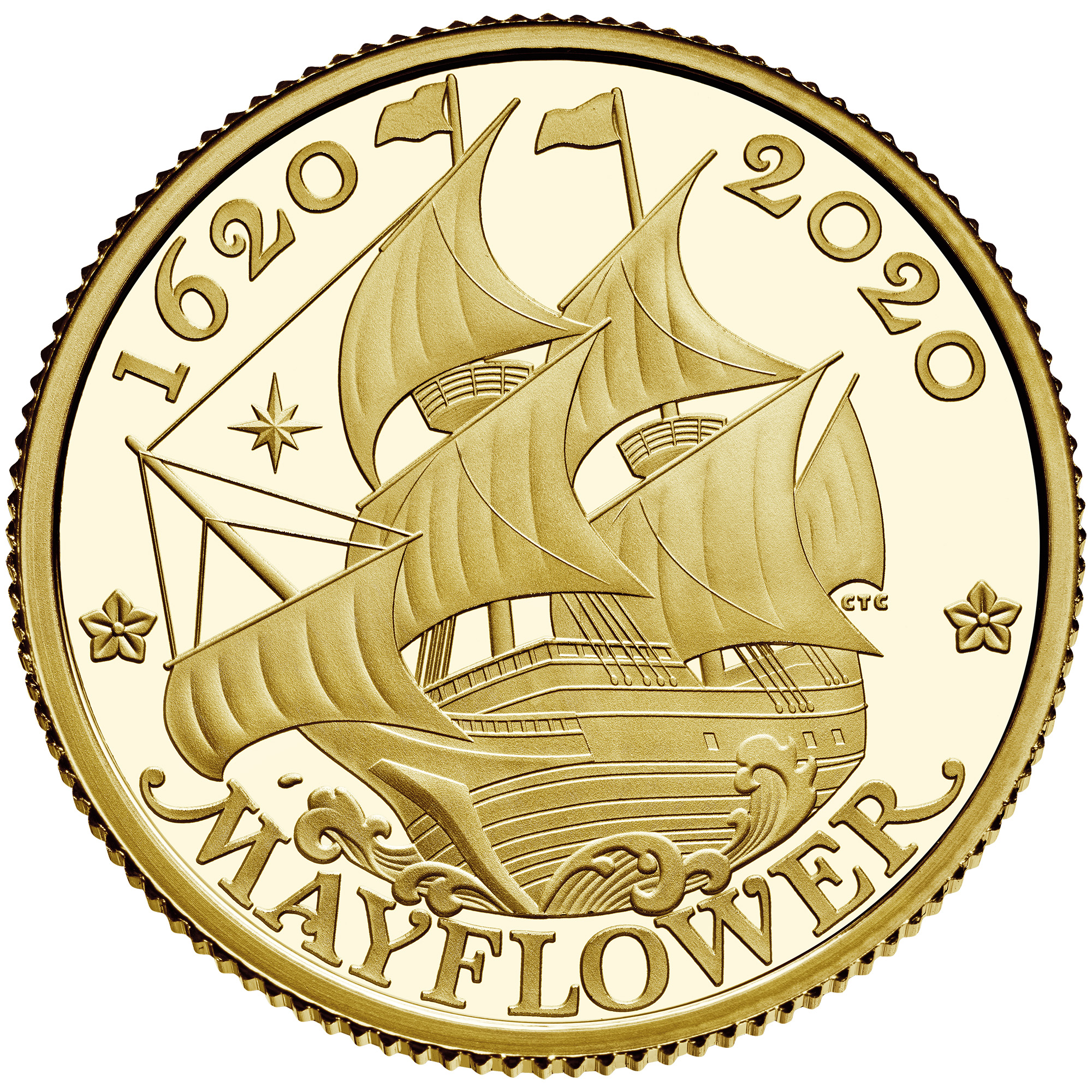
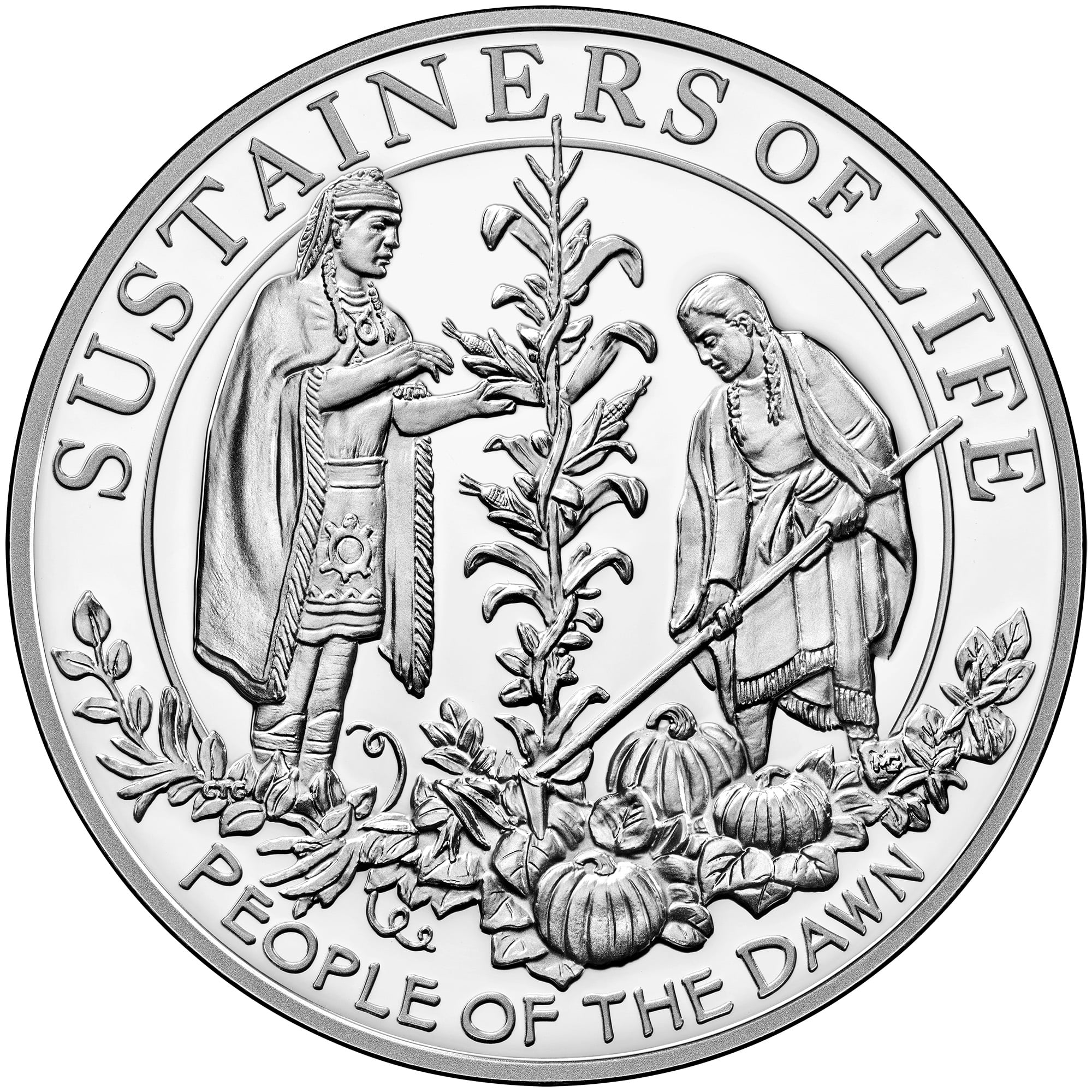
The U.S. Mint Mayflower 400th Anniversary Gold Coin and Silver Medal tell the story of the Pilgrims’ journey, the importance of Wampanoag peoples, and their collective role in U.S. history. The Royal Mint design, made as gold and silver coins, commemorates the beginning of the Mayflower’s voyage across the Atlantic.

U.S. Mint Artistic Infusion Program artist Chris Costello designed the U.S. coin and medal as well as the reverse of the U.K. coin. He weaved stylistic elements and the same font throughout the designs to connect them.

Background

In September 1620, passengers boarded a ship called the Mayflower to embark on a transatlantic voyage from England to the New World. After some delays, the Mayflower ended up leaving England well into the storm season. With permission from the king, the migrants were granted land by the Virginia Company to establish a colony near the Hudson River. Stormy seas pushed them off course and they landed farther north at Cape Cod, Massachusetts. In December 1620, they sailed up the coast to disembark at an abandoned native village and called their new colony Plymouth.

To establish themselves as a legitimate colony, the Pilgrims drafted the Mayflower Compact. It promised to create a “civil Body Politick” ruled by elected officials and fair laws. This compact was the first document of self-governance in the colonies, although it also swore allegiance to the English king.

The Pilgrims faced many trials to survive. Many of the colonists died from disease, malnutrition, or the harsh New England weather. They formed an alliance with the local Wampanoag people. The Wampanoags taught the Pilgrims how to hunt, gather shellfish, and grow corn, beans, and squash. The first successful harvest in 1621 formed the basis of the modern Thanksgiving holiday.