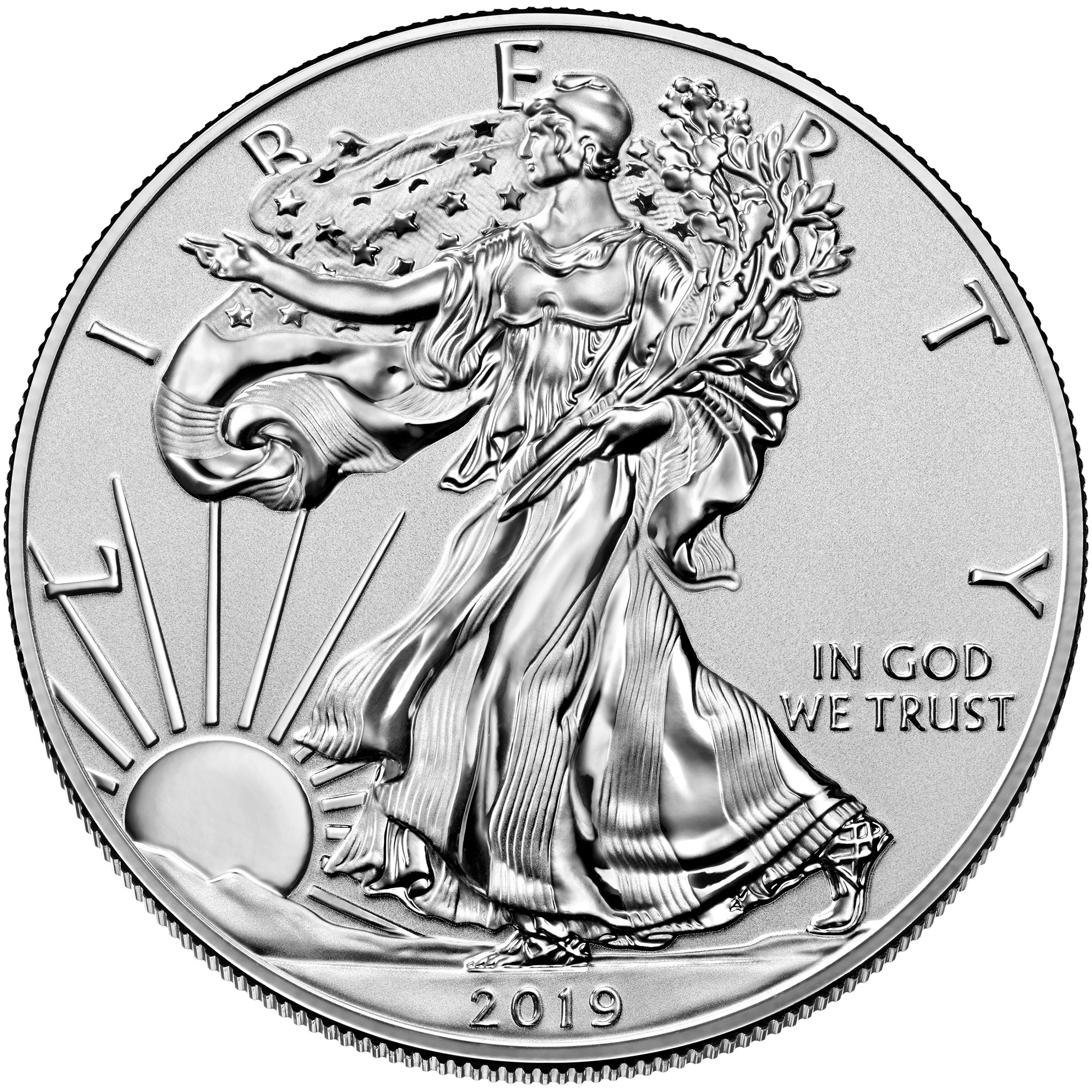
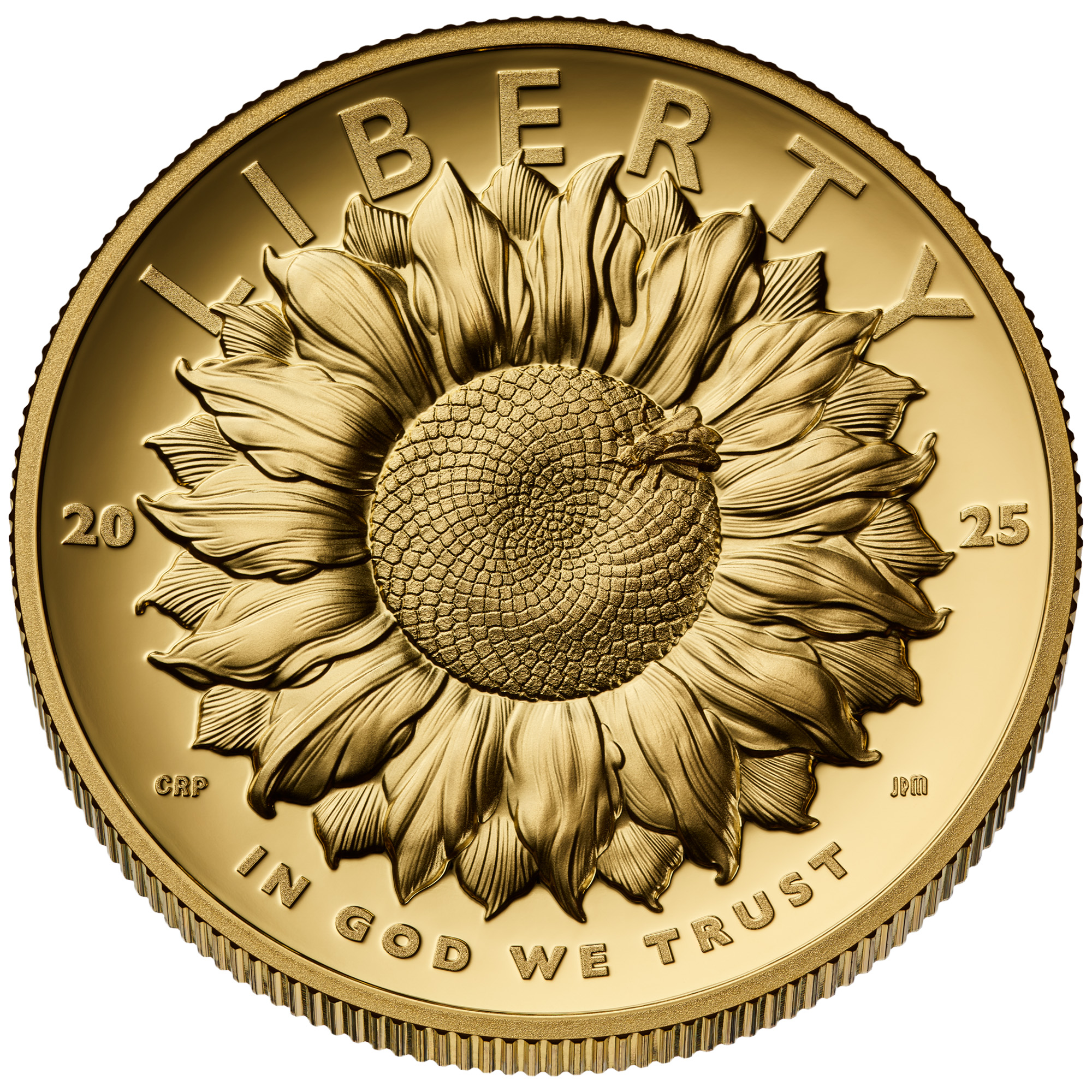
Before you start collecting coins, it’s important to learn basic coin terminology, including the parts of a coin and the different finishes. In addition to the terms below, be sure to review the Coin Term Glossary.
Anatomy of a Coin


The front side (“heads”) of a coin.
The back side (“tails”) of a coin.
The outer border of a coin. Edges can be plain, reeded, lettered, or decorated.

The raised part of the edge on both sides of a coin that helps protect the coin’s design from wear.
The principal words or lettering on a coin. Also called legend.
A small letter or symbol on a coin used to identify where a coin was made. Current U.S. mint marks are P (Philadelphia), D (Denver), S (San Francisco), and W (West Point). Learn more about mint marks.
The part of a coin’s design that is raised above the surface.
The flat portion of a coin’s surface not used for design or inscription.
Coin Finishes
The Mint produces coins with various finishes, including circulating, uncirculated, and proof. Different production steps are used to make these coins.


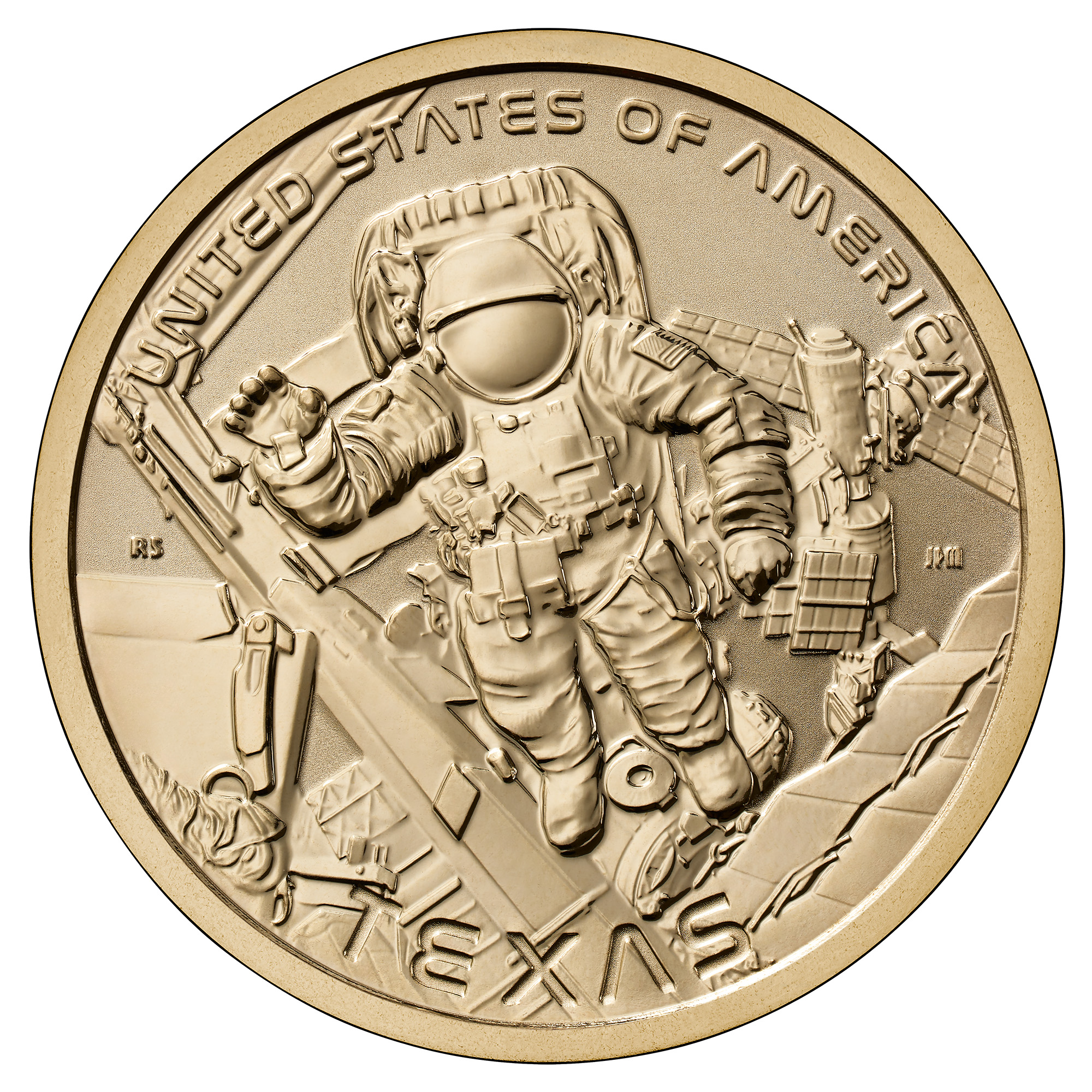
Circulating coins are made to circulate among people as they take care of their daily business of buying and selling. The Mint produces these coins without the extra steps used for the other finishes.
The Mint makes uncirculated coins for saving and collecting. They are produced the same way as circulating coins, but with quality enhancements to create a brilliant finish.
Proof coins have a mirror-like background with frosted design elements. The Mint uses a special process of manually feeding burnished coin blanks into presses with specially polished dies. Each coin is struck at least twice to bring out the details in the design.
Reverse proof coins feature a frosted background with a mirror-like design.
Special Finishes
Sometimes the Mint makes coins with special finishes like ultra high relief proof, high relief proof, enhanced unicrculated, or enhanced reverse proof. Frosting or polishing is applied to certain areas of the coin to bring out even more detail.