
It’s easy to start a coin collection. You can begin with coins that you already have on hand. Becoming a coin collector involves a common vocabulary, though. Get familiar with the parts of a coin and basic coin terms.
Get Started Collecting Coins
Error Coins
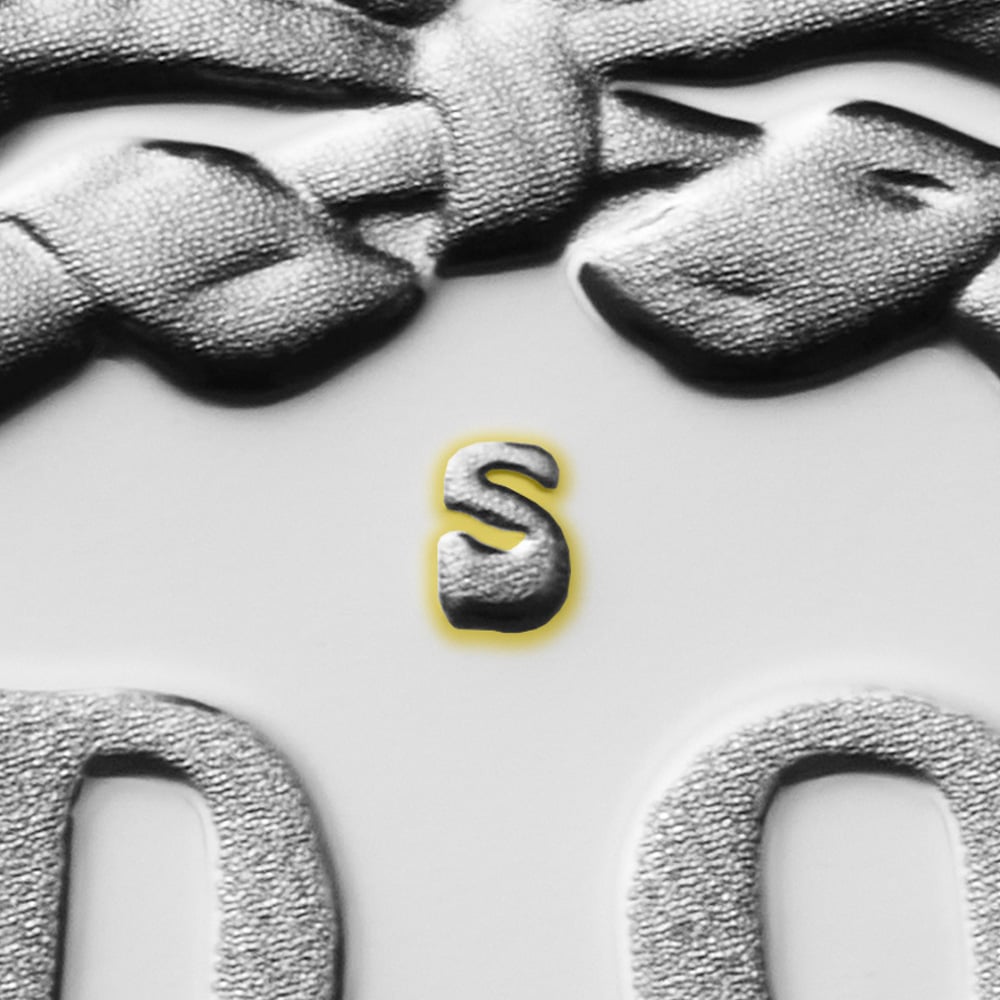
Sometimes the Mint makes mistakes. Although most error coins are recycled before they ever leave a Mint facility, the few that make it into circulation are often considered collectibles. Coins made before the invention of modern machinery show a variety of die, planchet, or striking errors. You can learn more about errors through numismatic publications and organizations.
Some coin error examples include:
- Off-center strikes
- Multiple strikes
- Overstrikes
- Clipped planchets
- Defective dies

Coin Grading Scales
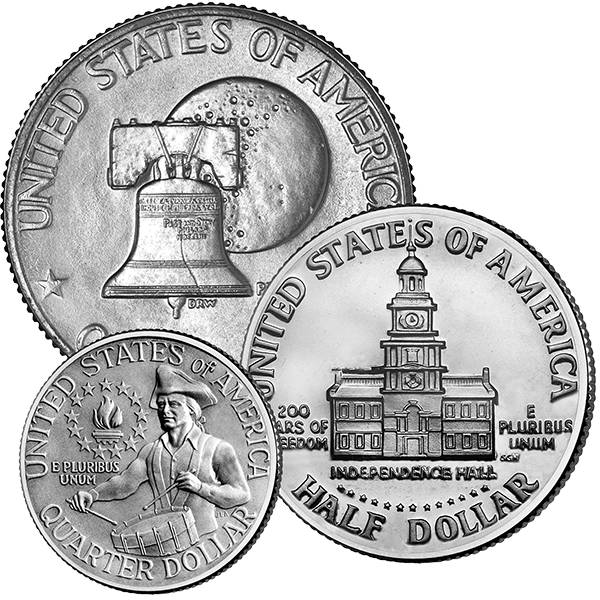
The Sheldon coin grading scale is used to determine a coin’s value, based on factors such as how well the coin was made, how much wear it’s developed, and the luster. A coin is assigned a number between 1 and 70, as well as an adjective such as poor, good, very fine, or mint state. The grade is listed as “MS-70” or “F-15”.
There are professional coin grading services, but grading is subjective. As a collector, it’s important to understand coin grading to know the value of a coin and to verify grades given by others. Use resources such as the Official ANA Grading Standards for United States Coins to learn more.
Coin Clubs
Coin clubs allow you to share your collection with others and learn more about coins. There are many national and local clubs and numismatic organizations. The American Numismatic Association provides a database of clubs around the world.
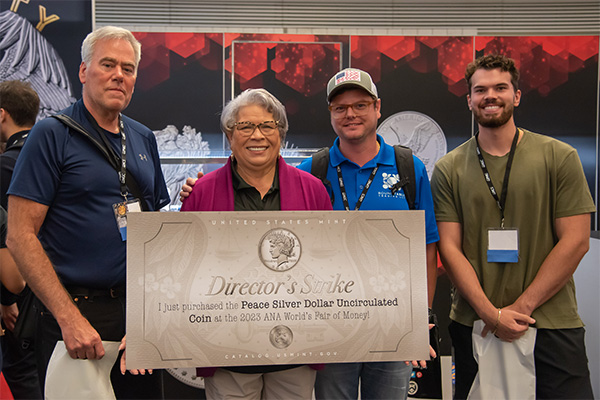 Former Mint Director Ventris C. Gibson holds a sign in 2023 at the World's Fair of Money, an annual convention held by the American Numismatic Association.
Buying and Trading Coins
If you are unable to find what you’re looking for in our Shop, you may also find coins through:
- Banks
Search through coin rolls from a bank. - Collectors
Trade or buy coins privately or through coin clubs. - Coin Dealers
Coin dealers buy or trade coins. You may want to ask an experienced collector to suggest reputable dealers. - Coin Shows
Buy coins at national or local coin shows. - Auctions
The rarest and most expensive coins are often available only through auctions. Tip: compare prices to avoid overpaying and verify a reasonable return policy before ordering. - Flea Markets and Antique Shows
Coins can be found at various events, but less competition can encourage inflated prices or selling “problem coins”.