icon-dot-gov icon-https Locked padlock icon
USA Flag
An official website of the United States government. Close/span>

Bicentennial Coins & Medals

To celebrate the Nation's 200th anniversary in 1976, the United States Mint issued three circulating coins with new reverse designs: Bicentennial Quarters, Bicentennial Half Dollars, and Bicentennial Dollars. In addition, the Mint celebrated America's birthday with a variety of numismatic products, which were produced in the years leading up to the bicentennial.

The impressive list of collectibles included 40 percent silver versions of the circulating coins, a National Medal struck in a variety of sizes and precious metals, five bronze medals for the American Revolution Bicentennial Administration (ARBA), and a series commemorating "America's First Medals" struck in pewter.

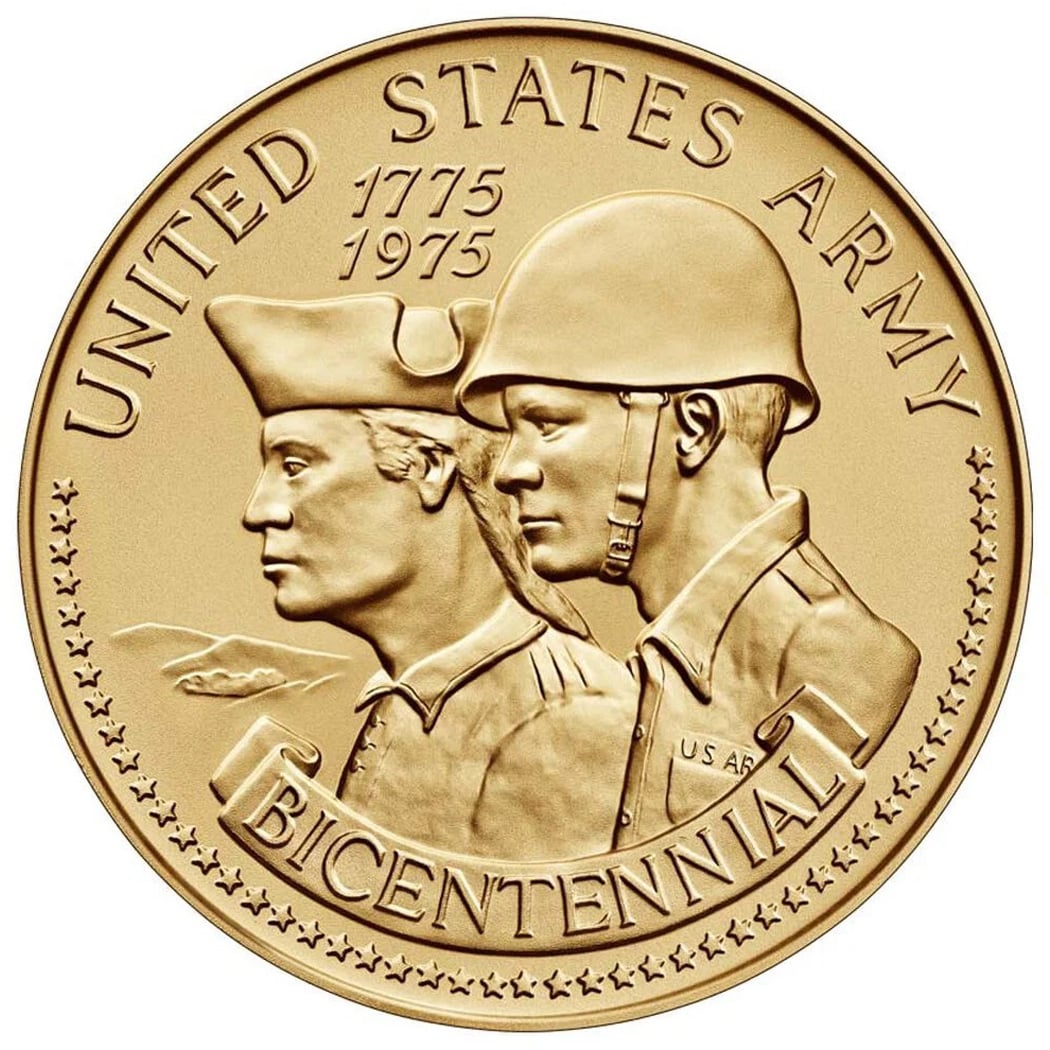
The Mint also produced three bronze medals celebrating the anniversaries of our Nation's oldest military branches. These popular medals are still manufactured and sold today.

Circulating Coins

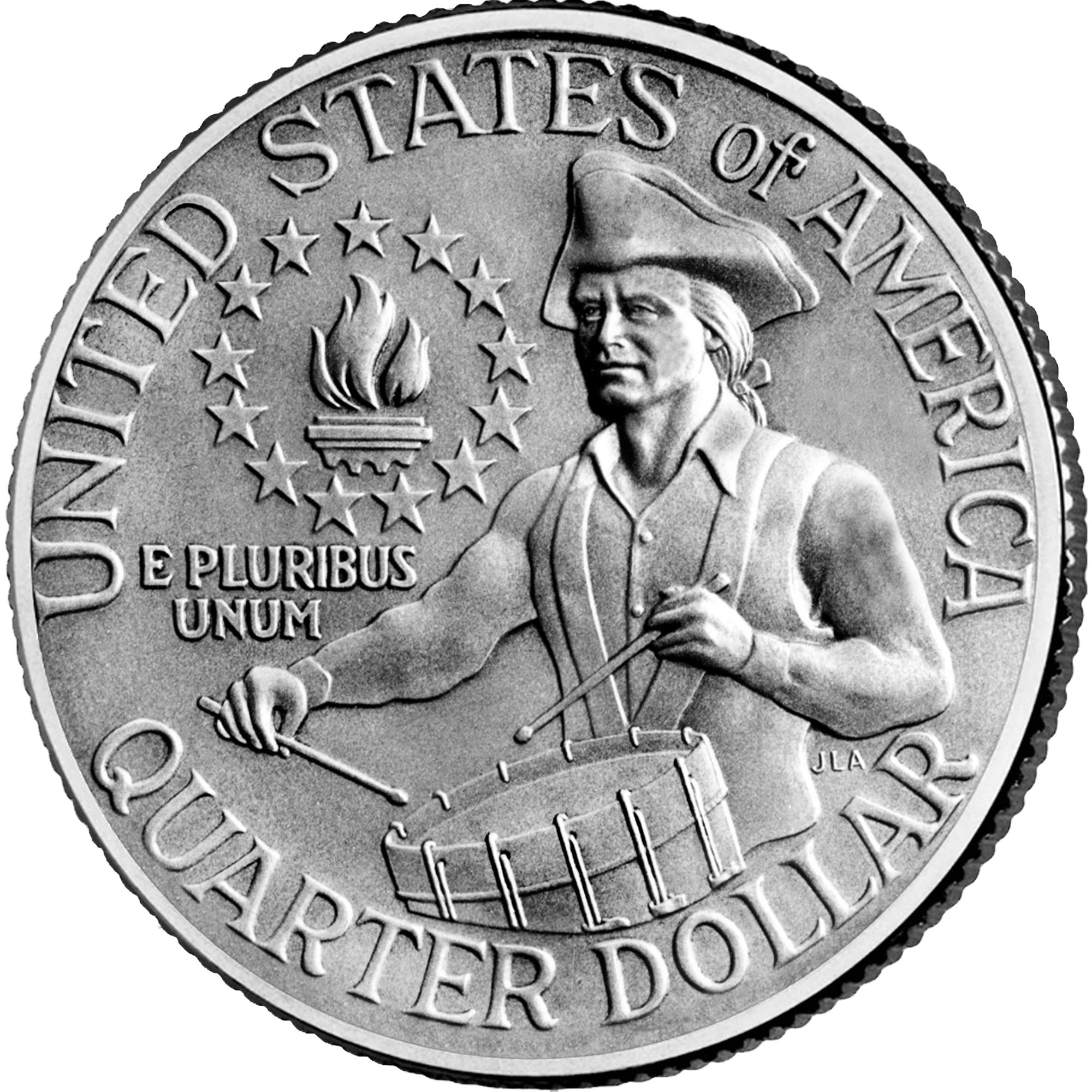
In accordance with Public Law 93-127, new designs appeared on circulating quarters, half dollars, and dollars from 1975 to 1976. The Mint also produced proof and uncirculated versions in cupro-nickel and 40 percent silver.

The Bicentennial Coin Program represented the first time circulating coinage had been re-designed to honor an anniversary of American Independence. The Mint hoped that wide distribution of the three coins would call appropriate attention to our bicentennial and serve as reminders of the Nation’s rich heritage and dedication to freedom.

The Competition

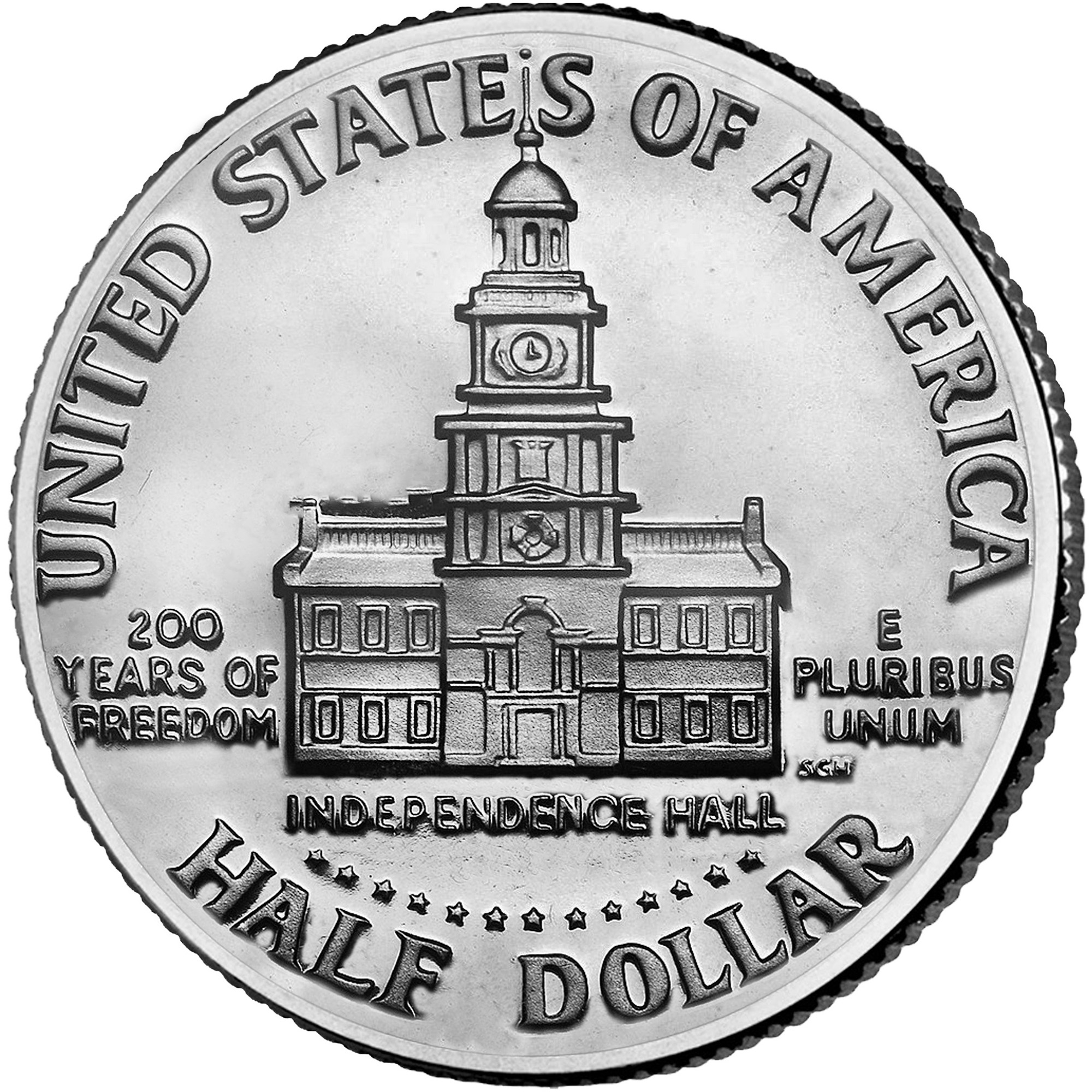
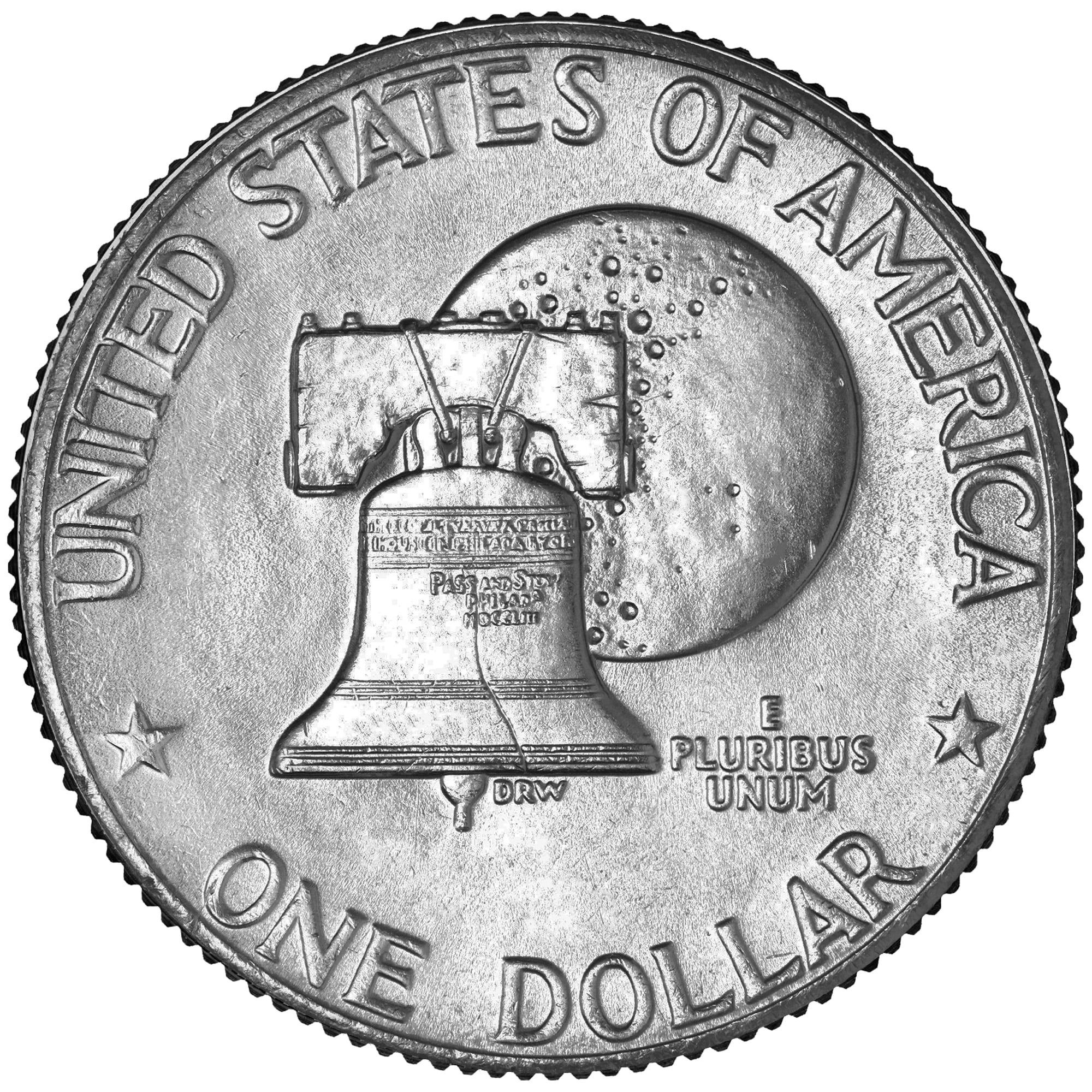
The three new reverse designs were chosen in a national $5,000 award competition sponsored by the Department of the Treasury. A colonial drummer was selected for the quarter reverse, Independence Hall for the reverse of the half dollar, and a combination of Liberty Bell and the moon for the back of the dollar.

Jack Ahr of Arlington Heights, Illinois, designed the colonial drummer that appears on the quarter reverse. Independence Hall on the back of the half dollar was created by Seth Huntington of Minneapolis, Minnesota.

The combination of the Liberty Bell and the moon on the back of the dollar was the work of Dennis Williams, a sculpture student at Columbus College of Art and Design in Ohio. His winning drawing, and subsequent plaster coinage model, resulted from his sculpture instructor’s assignment of the competition’s coinage specifications as a design problem.

The half-dollar was released July 7, 1975, followed by the quarter on August 18 and the dollar on October 13.

The National Bicentennial Coinage Design Competition

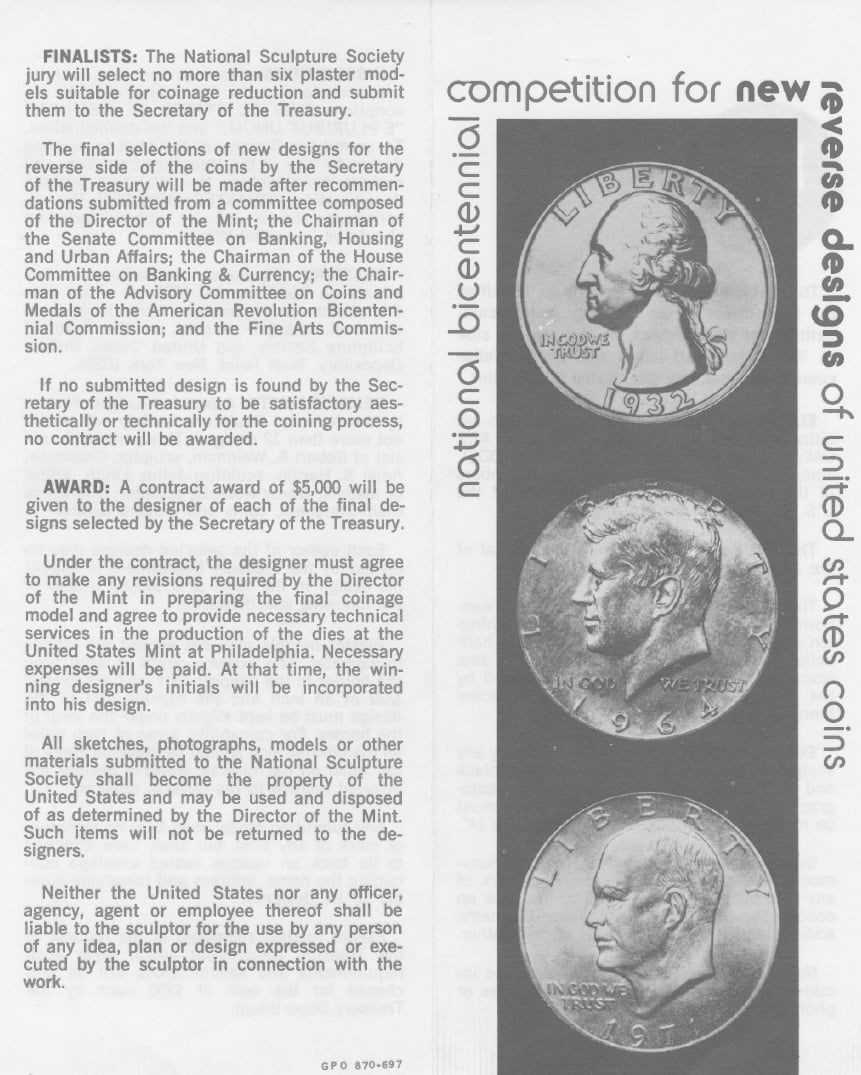
Advertisement for the National Bicentennial Competition

Original advertisement for a "National Bicentennial Competition for New Reverse Designs of United States Coins" sponsored by the Department of the Treasury. The winners received $5,000.


Image courtesy of the Gerald R. Ford Library & Museum.

Advertisement for the National Bicentennial Competition

High Demand

The Mint projected a circulation of at least 1.6 billion quarters, 550 million half dollars, and 300 million dollars before the close of the bicentennial year. Congress also mandated the production of at least 45 million numismatic versions of the historic coins, struck in 40 percent silver, in order to make them available to the greatest number of Americans as possible.

For the quarter ending June 30, 1976, the Mint reported that circulating coin production was well above normal levels. Quarters saw a 140 percent increase over the same period the previous year, half dollars saw a 70 percent increase, and dollar coins saw a 260 percent increase in 1976. 

Final circulating mintage numbers were close to projections when the Mint ceased bicentennial coinage at the close of 1976: 1.67 billion quarters, 521.9 million half dollars, and 220.6 million dollar coins.

“The Bicentennial coins symbolize that the Spirit of ’76 is alive and well at the Mint. Changing the designs on three of our coins was a major undertaking. And the spirit in which they have gained acceptance by our people, and throughout the world, is heartwarming and reassuring that the new coins are playing an important role in the celebration of our Nation’s 200 years of freedom.”

-Mint Director Mary Brooks

First Strikes of Bicentennial Silver Proof Coins

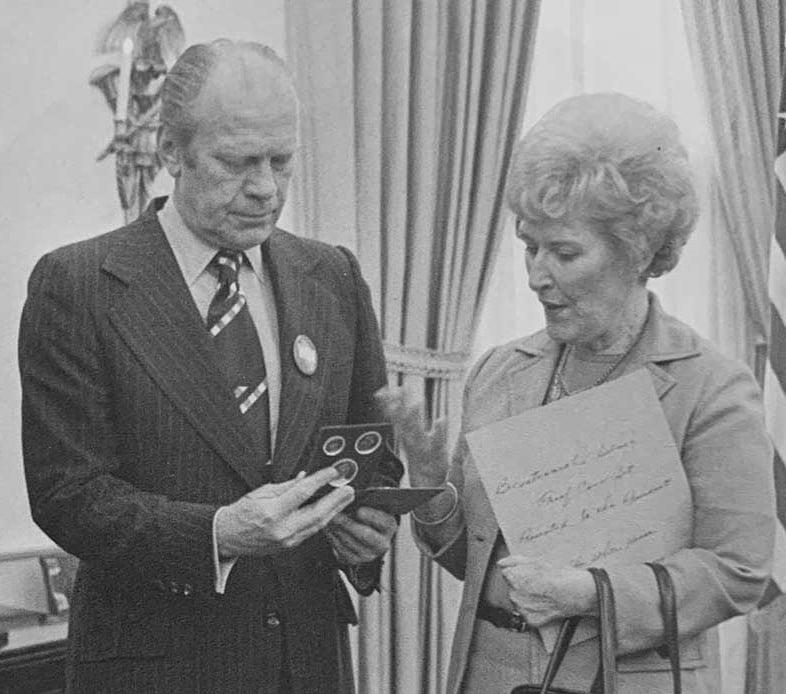
Mint Director Mary Brooks Presents Bicentennial Coins to President Ford

Mint Director Mary Brooks Presents Bicentennial Coins to President Ford at the White House on November 13, 1974.


Image courtesy of the Gerald R. Ford Presidential Library & Museum.

Mint Director Mary Brooks Presents Bicentennial Coins to President Ford

The National Medal

In accordance with Public Law 92-229, the United States Mint produced the National Medal commemorating the year 1776 and its significance to American independence. The medal was designed to exacting standards by the Mint's Chief Engraver Frank Gasparro and depicts the Statue of Liberty ringed by 50 stars representing the 50 States and 1776-1976 on the obverse. The reverse bears the Great Seal of the United States and the inscription "We the People."

The National Medal was offered for sale in seven different versions and four sizes between January 1 and July 31, 1975. The $4,000 three-inch gold medal was made-to-order and individually numbered. 424 of those were sold. Two smaller versions in gold were also offered. The Mint sold 30,239 units of the $100 version and 5,383 units of the $400 version. Additionally, the Mint sold 426,459 units of $5 bronze medals, 209,885 units of $25 silver medals, and 47,150 units of $15 gold-plated medals. The Mint also sold 9,425 three-inch silver medals, valued at $150 each.

ARBA Medals

From 1972 to 1976, the Mint produced five medals in the American Revolution Bicentennial Administration (ARBA) series.

The first medal, sculpted by Ralph Menconi, depicted George Washington on the obverse in 1972. The reverse displayed the Liberty Tree with a two-shilling six-pence British Royal colonial stamp and a colonial "JOIN OR DIE" flag along with the words "SONS OF LIBERTY" across the top.

The second medal was sculpted by Richard Layton in 1973 and portrayed Samuel Adams and Patrick Henry on the obverse. The reverse depicted a colonial man on horseback receiving a letter from two standing men along with the text "COMMITTEES OF CORRESPONDENCE."

Released in 1974, the third medal featured a portrait of John Adams on the obverse. The reverse depicted a colonial figure, presumably Adams, over a map of the American Colonies with "FIRST CONTINENTAL CONGRESS" written across the top of the coin.

The fourth medal, designed by sculptor Margaret Grigor, featured a bust of Paul Revere, who was honored for his legendary midnight ride from Concord to Lexington in 1775. The reverse of this 1975 medal depicted a minuteman and bore the quotation "THE SHOT THAT WAS HEARD AROUND THE WORLD".

The final medal in 1976 honored Thomas Jefferson on the obverse with a symbolic rendition of John Trumbull's painting of the signing of the Declaration of Independence on the reverse. This medal was designed by sculptor Michael Lantz.

bronze medal collage

Military Medals

In addition to the National Medal and ARBA medals, the Mint produced medals to honor the bicentennial anniversaries of the country's oldest military branches.

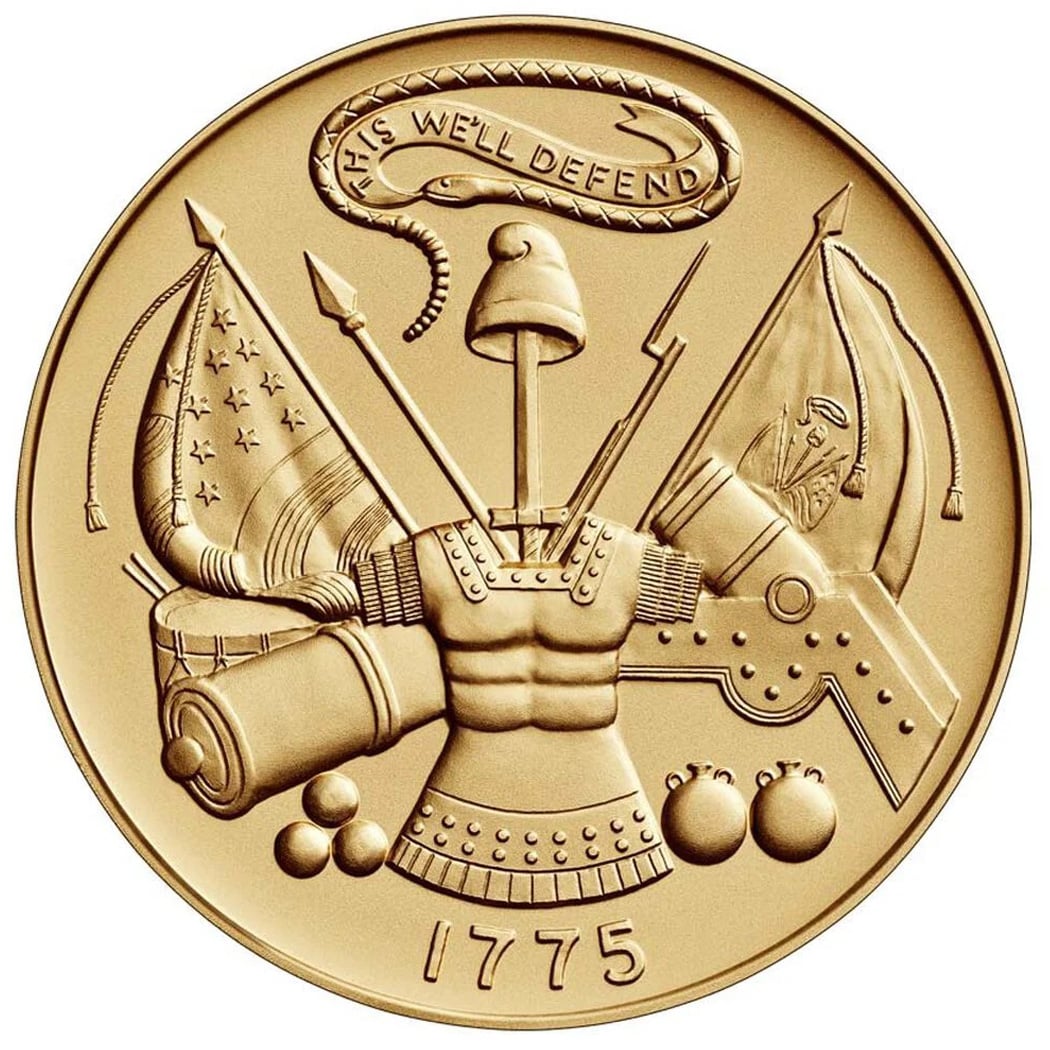
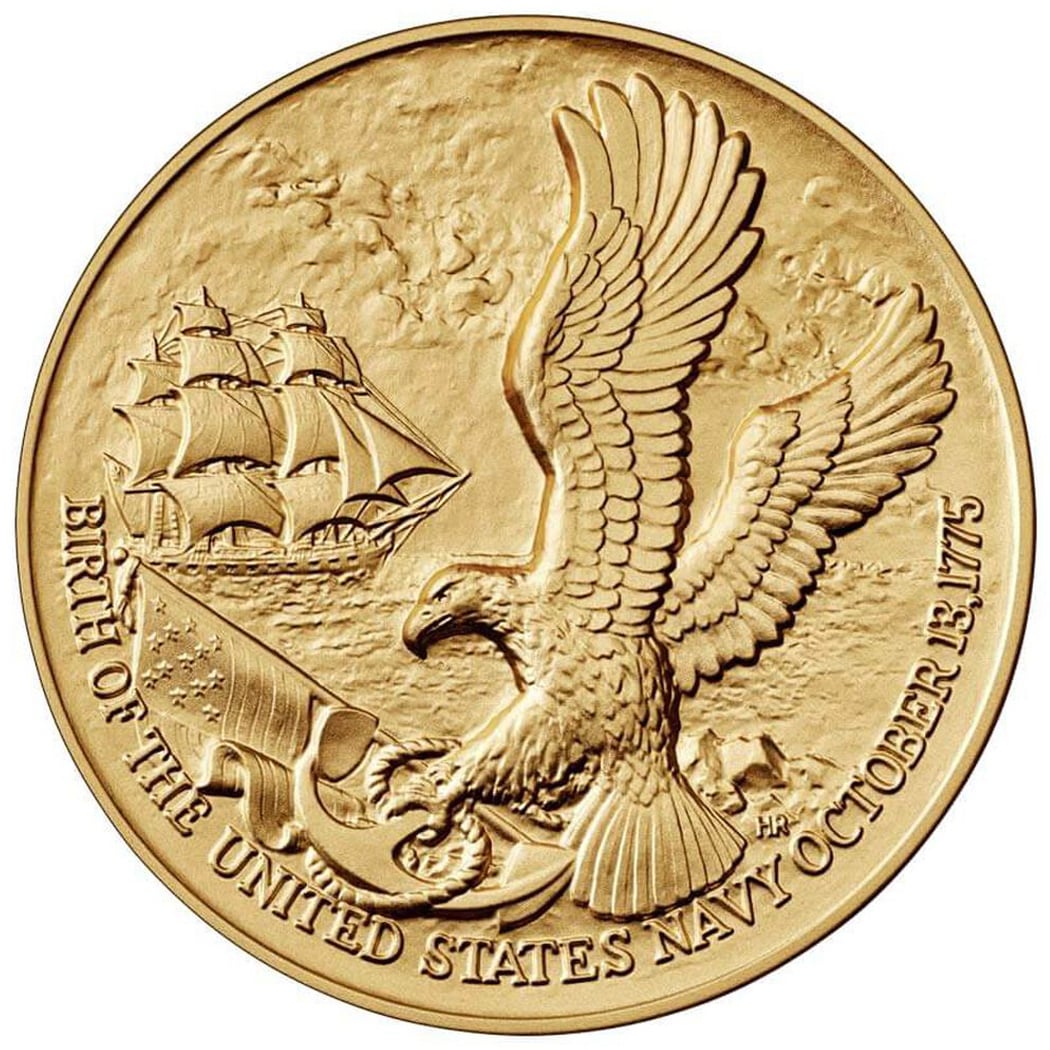
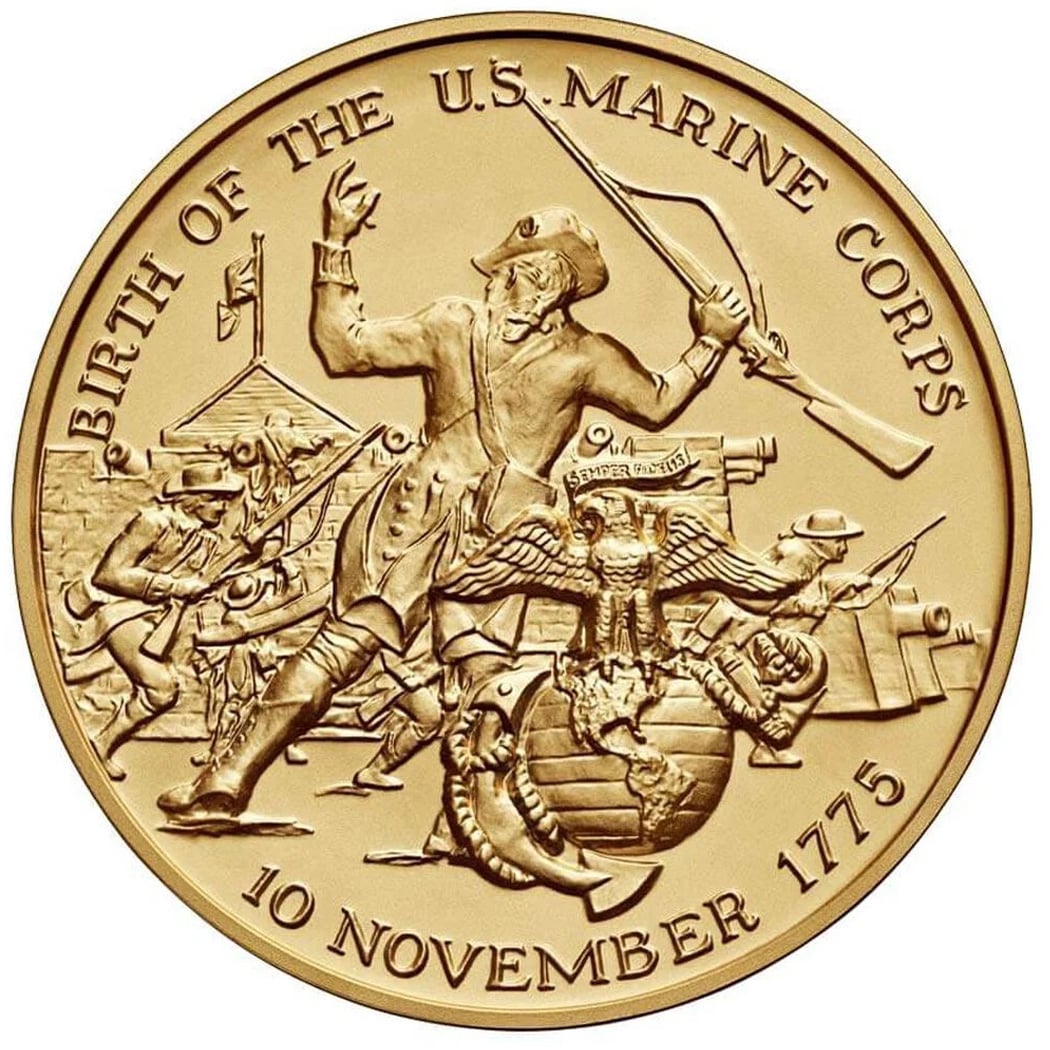
The striking of the three medals for the United States Army, United States Navy, and United States Marine Corps was authorized by Public Law 94-117 on October 17, 1975. Mint Chief Engraver Frank Gasparro supervised the execution of the designs for each three-inch bronze medal.

You can purchase these medals today in our Shop.

United States Army

The obverse and reverse designs for the U.S. Army Medal, which commemorates the 200th anniversary of the Army, established June 14, 1775, were provided by the U.S. Army Institute of Heraldry.

The obverse design depicts a soldier of the 1770s and one of the modern era. The reverse design consists of the interior portion of the Department of the Army plaque design, based on the Department of the Army seal that has been in continuous use since the 1770s. The obverse design was executed by Matthew Peloso and the reverse by Philip E. Fowler, both on the engraving staff at the Philadelphia Mint.

United States Navy

Noted California artist and sculptor Hal Reed designed the U.S. Navy and the U.S. Marine Corps Medals, in commemoration of the 200th anniversary of the Navy on October 13 and the Marine Corps on November 10, 1975.

The sloop Alfred, flagship of the First American Fleet serving in the Continental Navy from 1775 to 1778, is depicted on the obverse of the Navy Medal together with the symbolic American eagle alight upon the anchor and the stars and stripes. The reverse shows the modern Navy nuclear, air, surface and submarine configurations, emanating from the nucleus of the hydrogen atom. The obverse design was sculpted by Edgar Z. Steever and the reverse by Matthew Peloso, both of the Philadelphia Mint.

United States Marine Corps

The design of the U.S. Marine Corps Medal commemorates the 200-year history of the Corps, from Continental Marine of 1775 to the modern Marine of today. The obverse depicts the first major action of the Continental Marines, the landing at New Providence in the Bahamas on March 3, 1776, to occupy Fort Montagu. In addition, the emblem of the Corps (the eagle, globe, and anchor) is superimposed on the scene. The reverse depicts the continuing role of the modern Marine in action--still essentially a rifleman--maintaining those traditions of readiness, esprit de corps, and loyalty that have been the hallmarks of the Marine Corps since 1775. Philadelphia Mint sculptor-engraver S. Joseph Winter sculpted both the obverse and reverse of the Marine Corps Bicentennial Medal.
America's First Medals

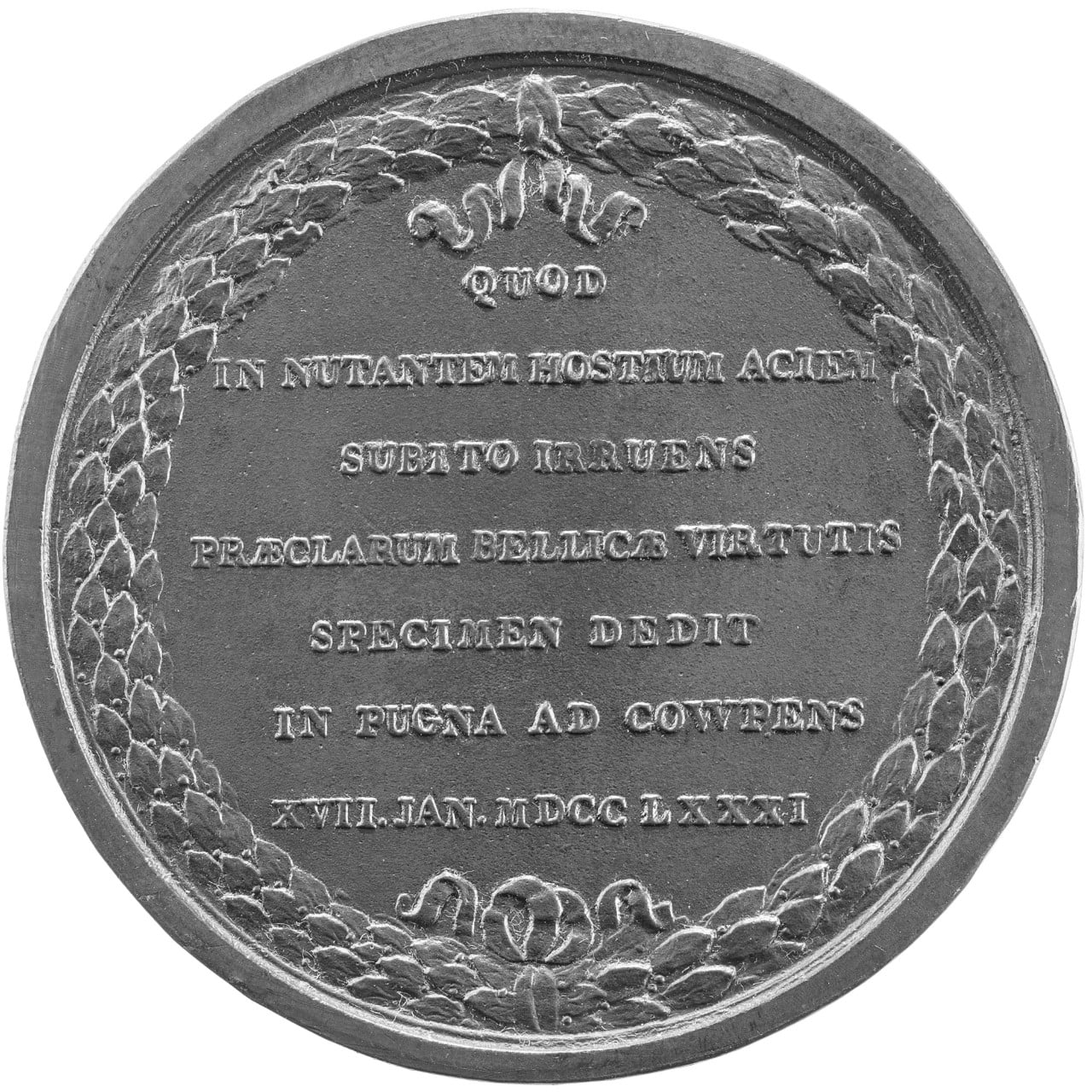
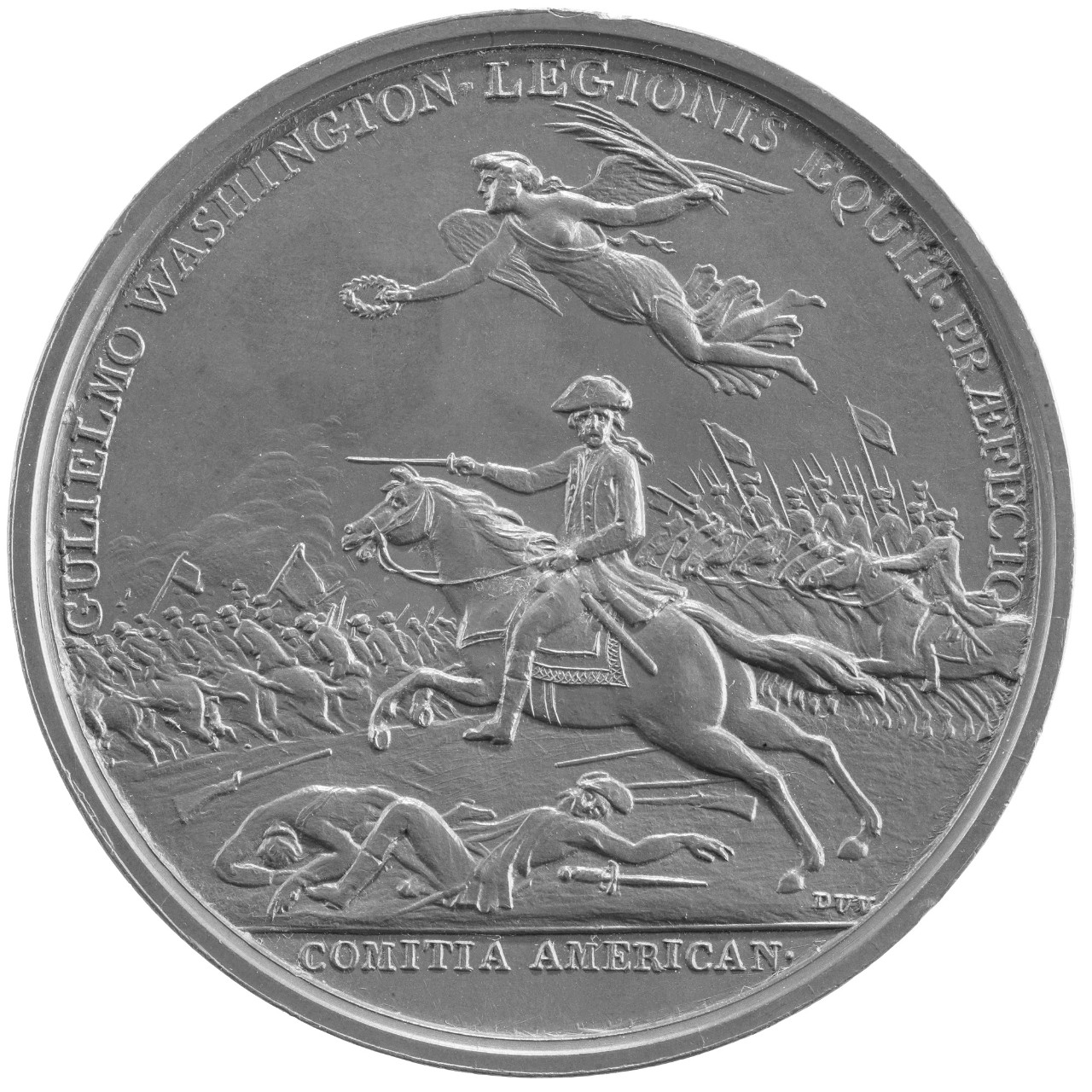
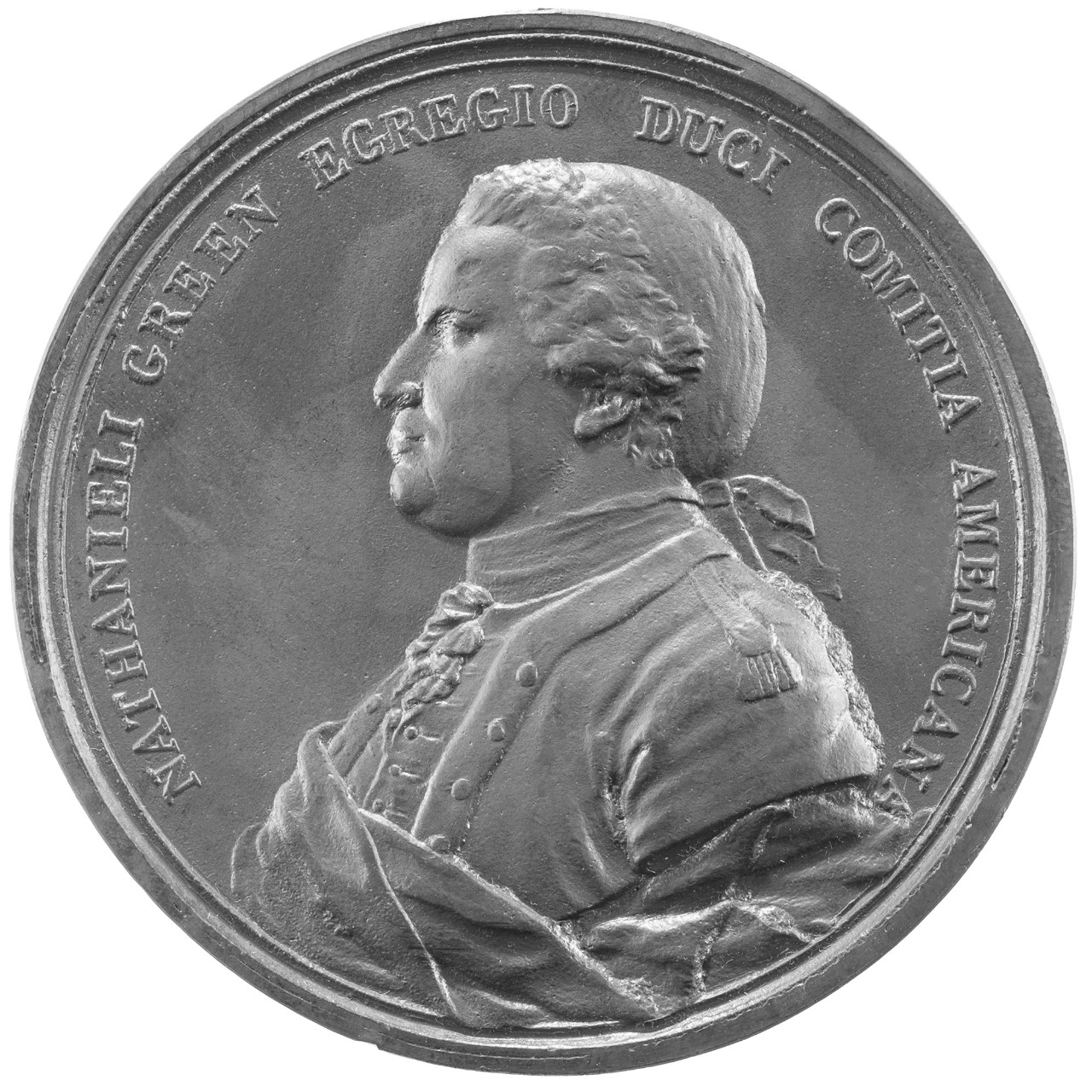
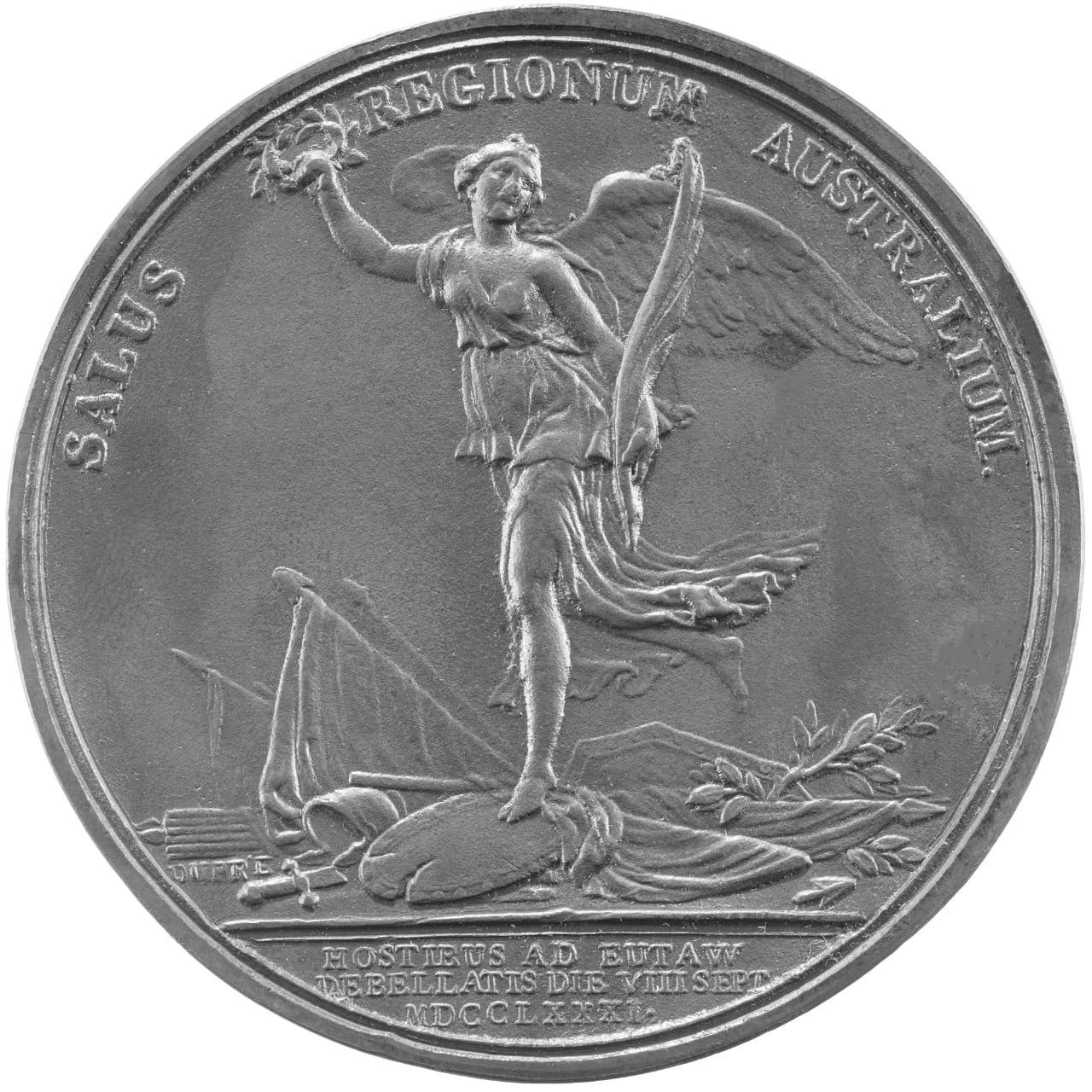
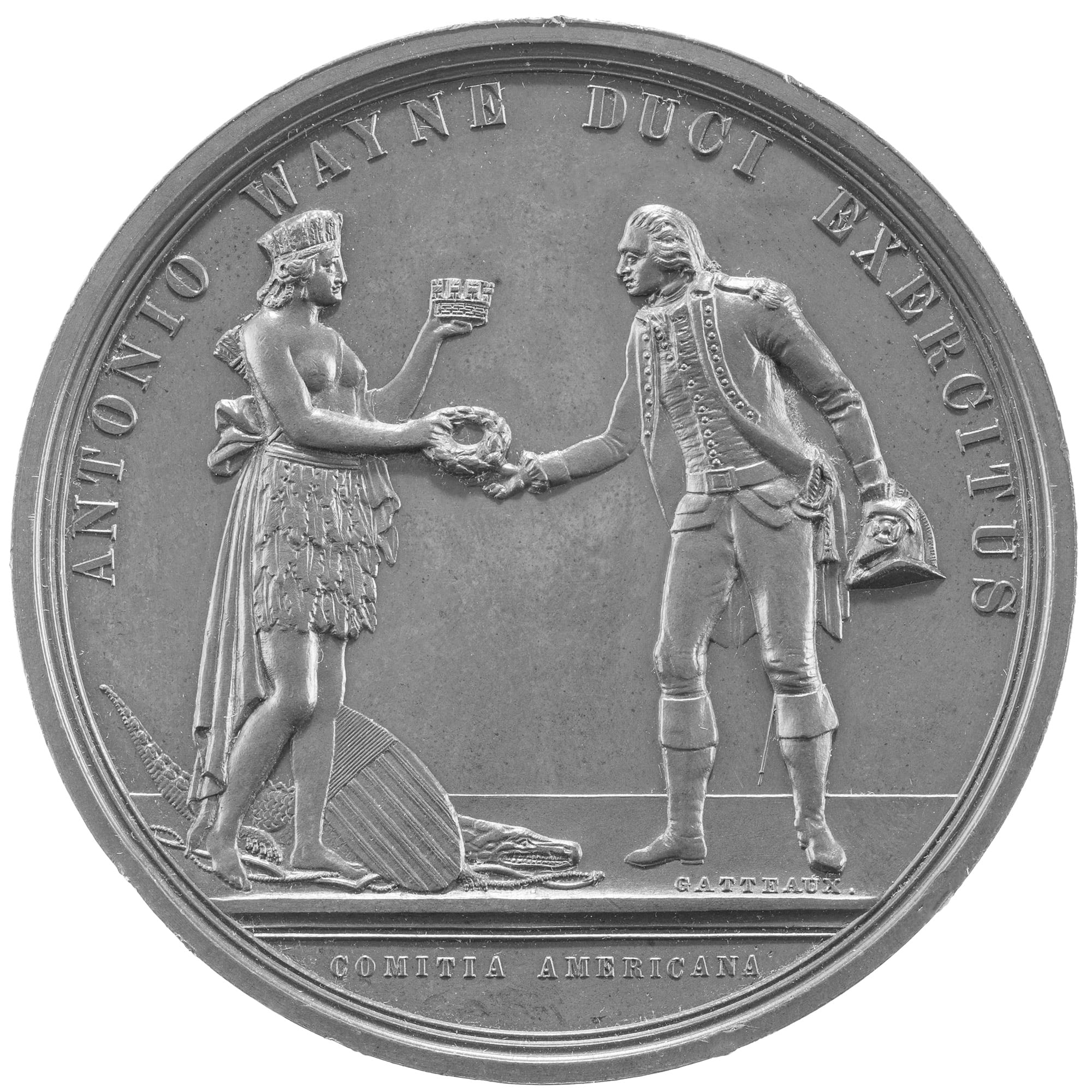
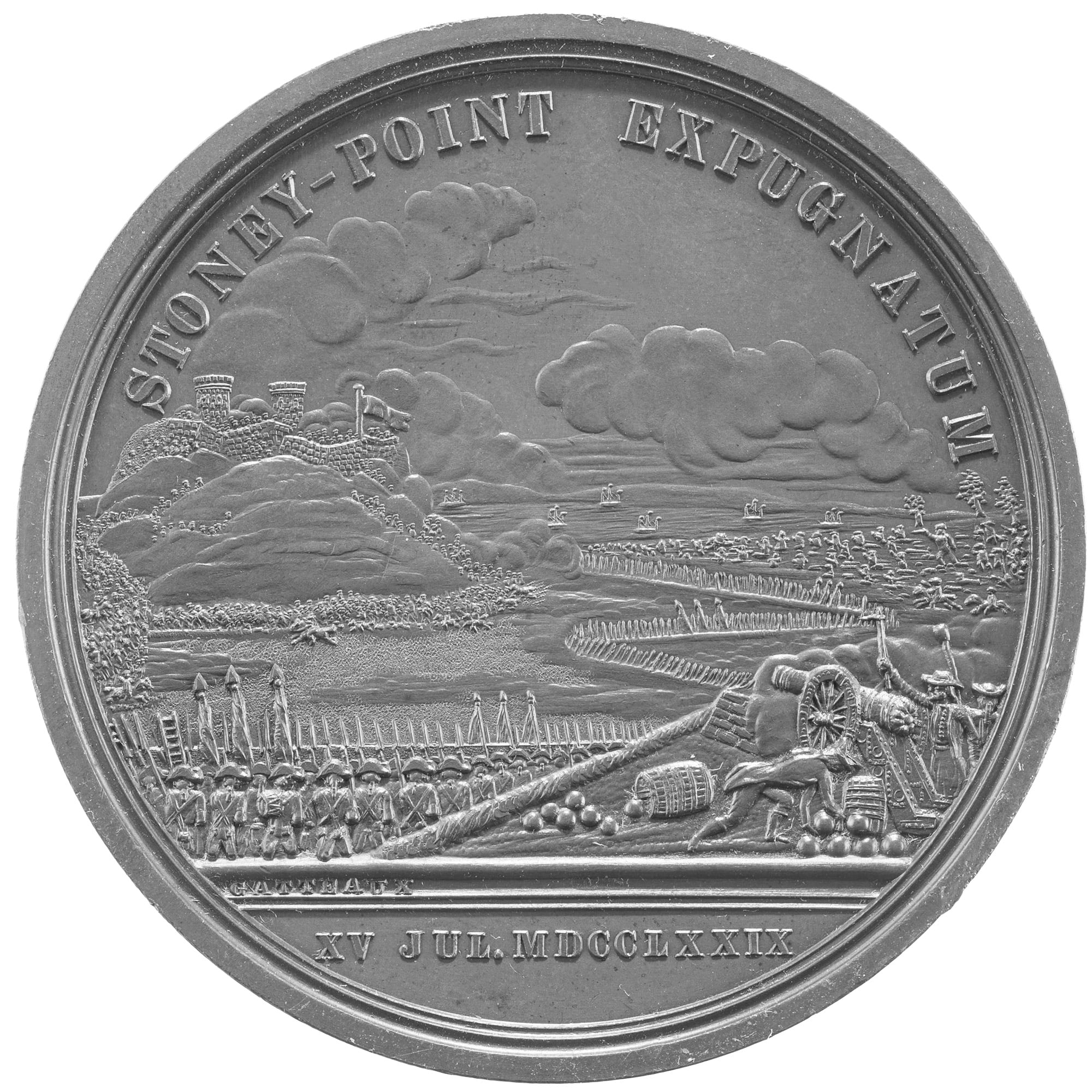
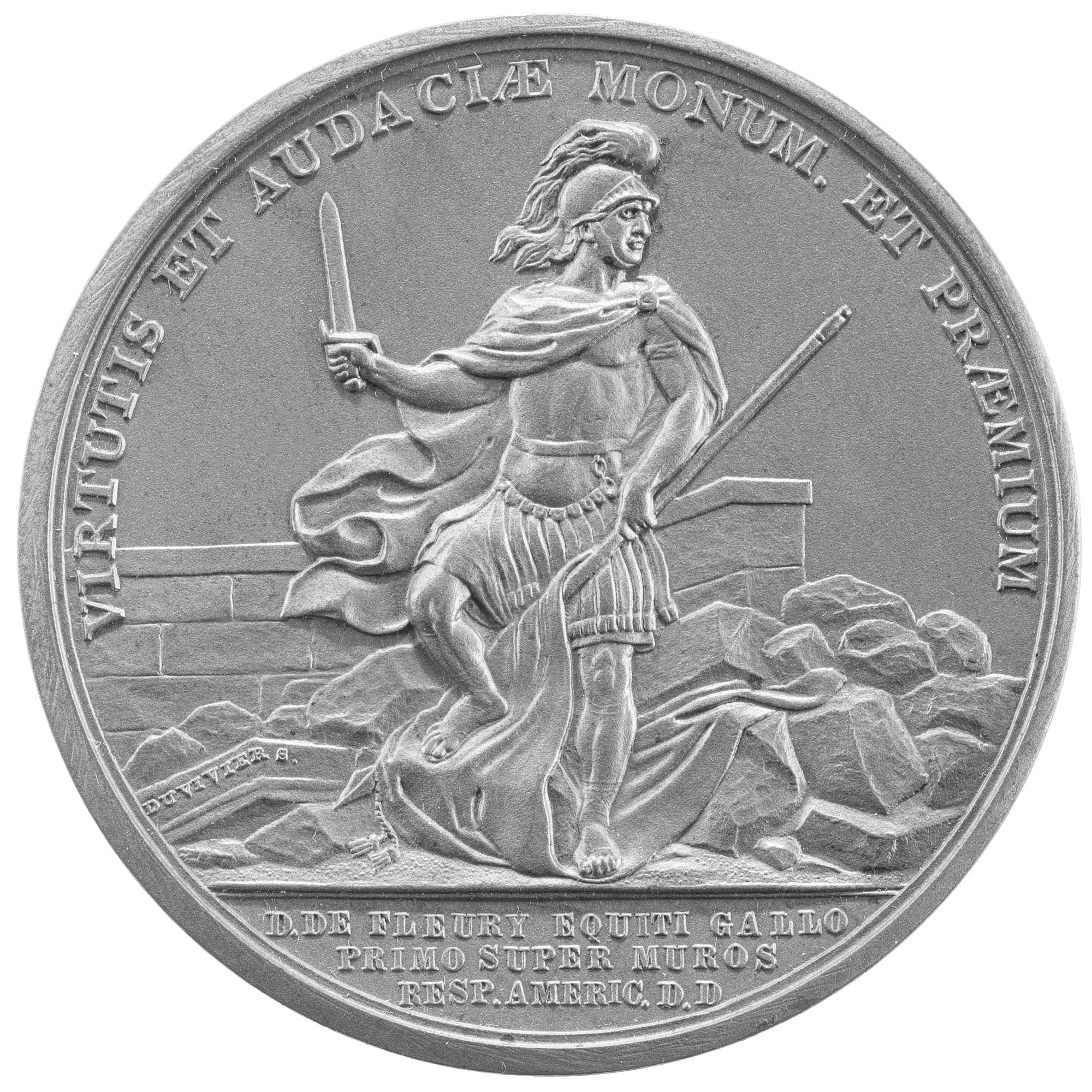
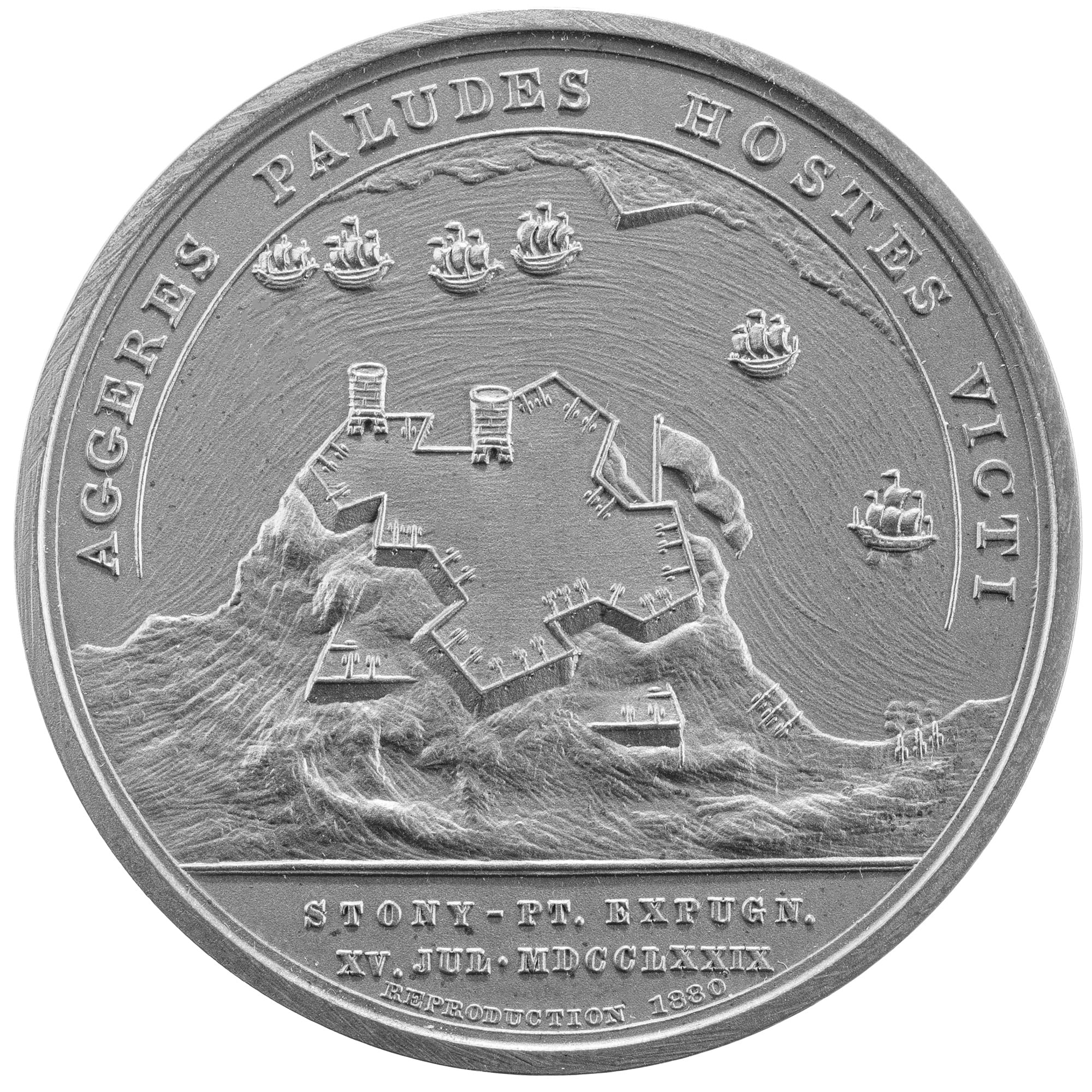
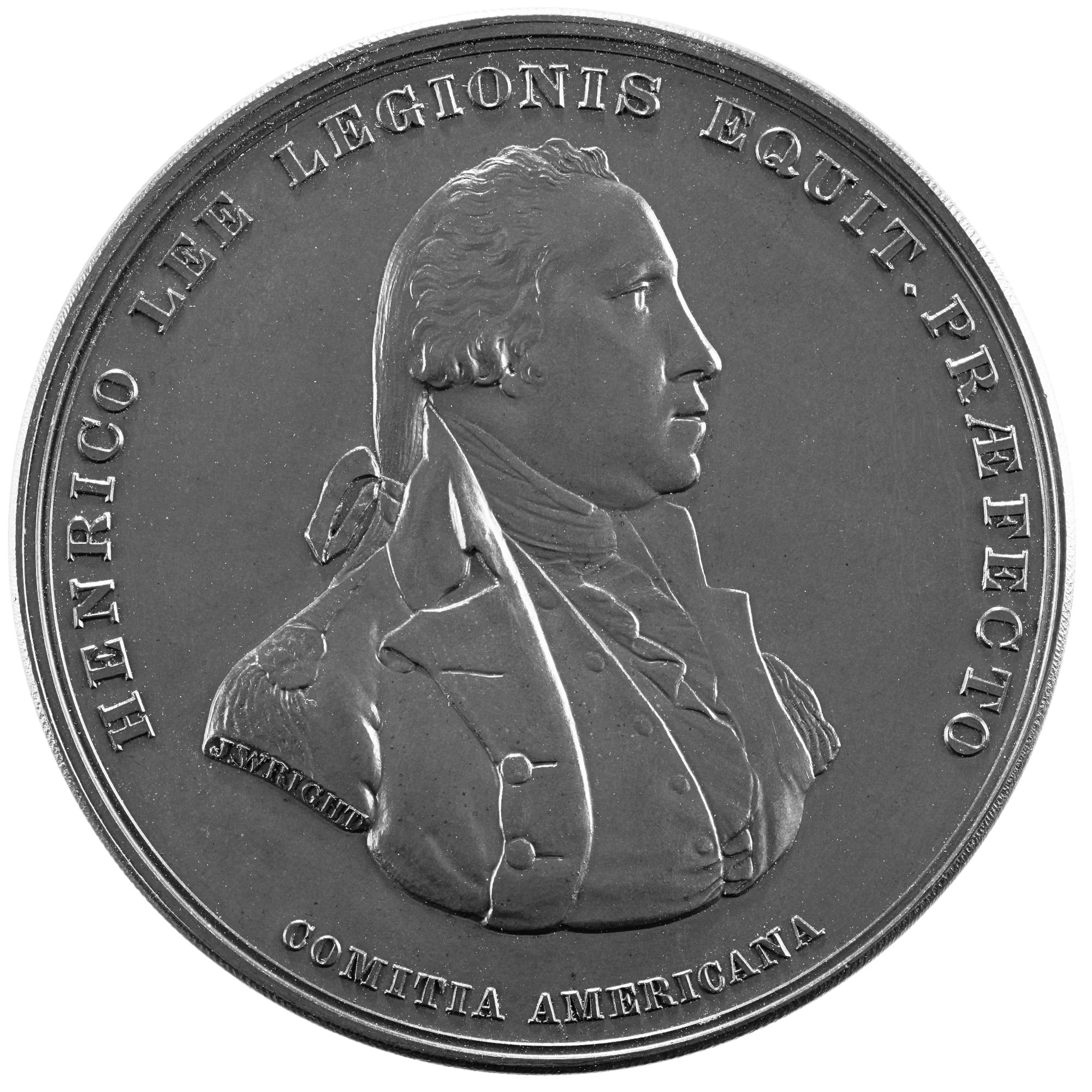
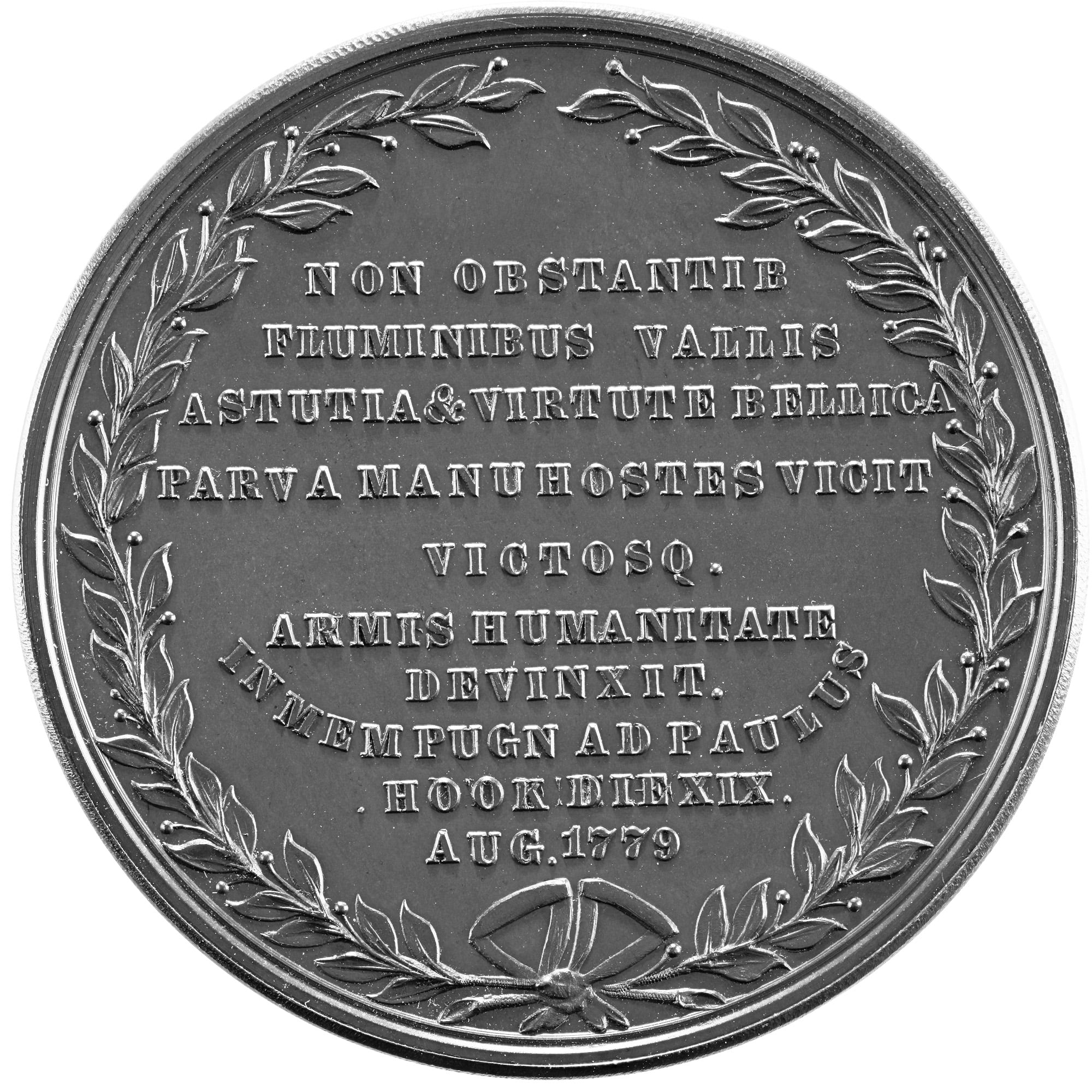
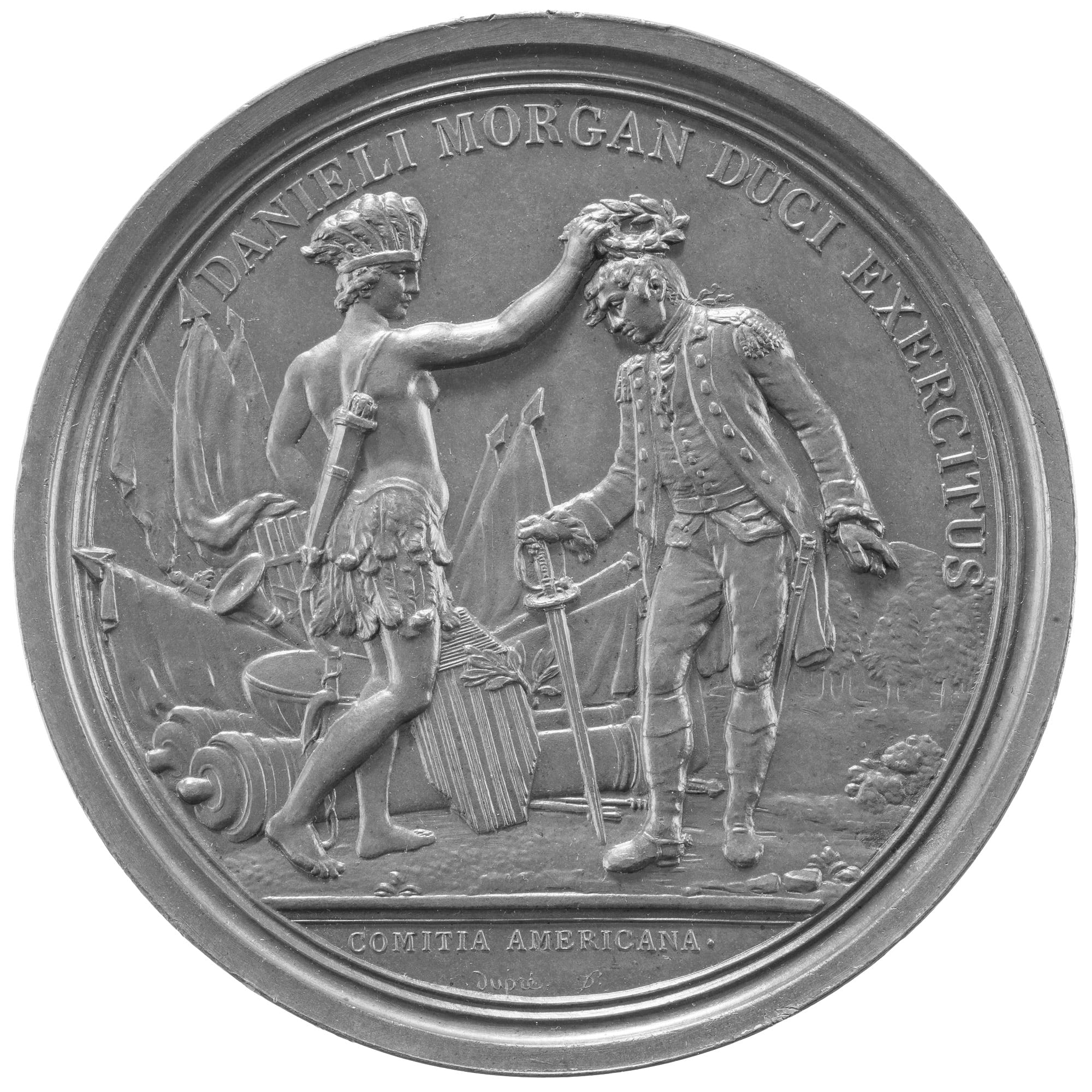
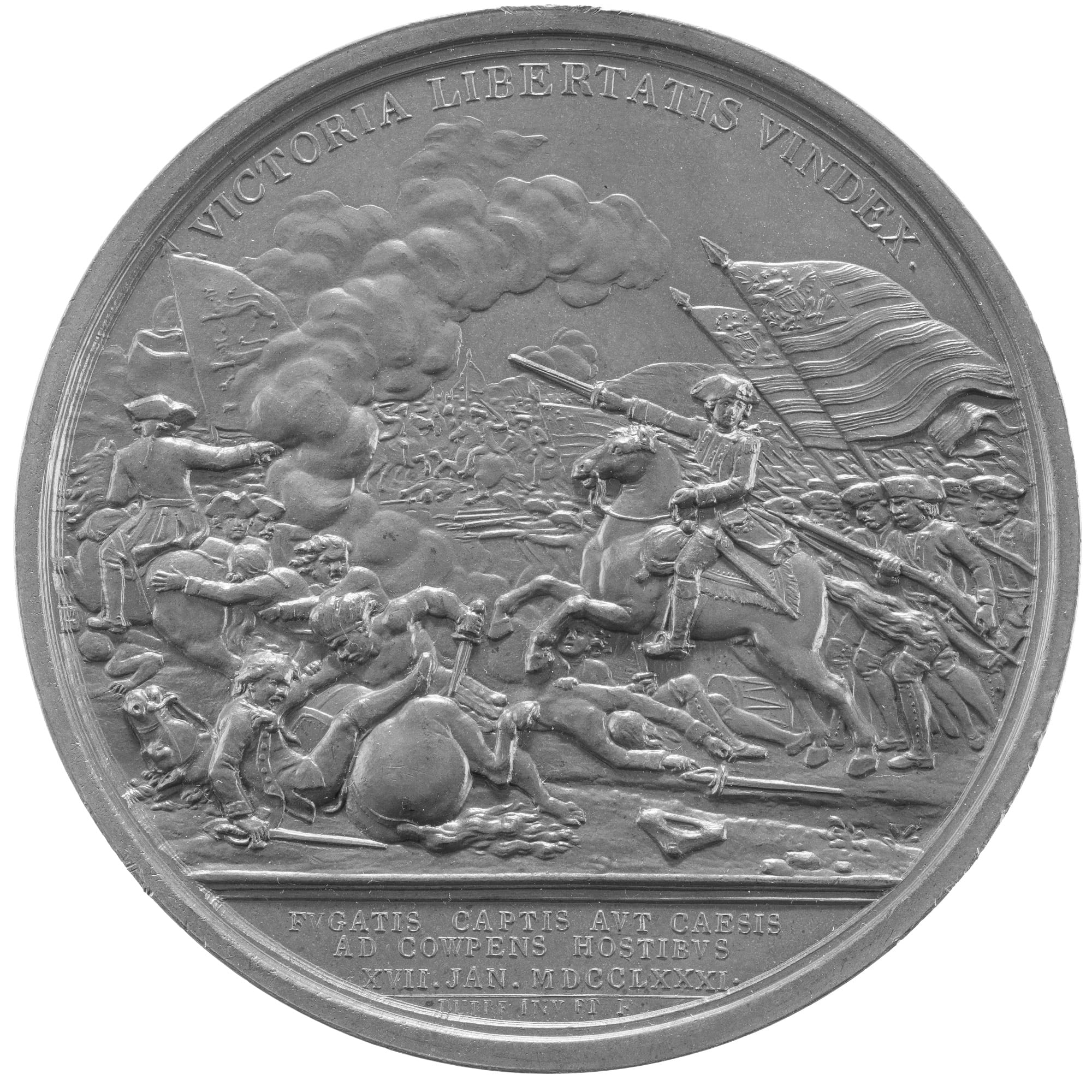
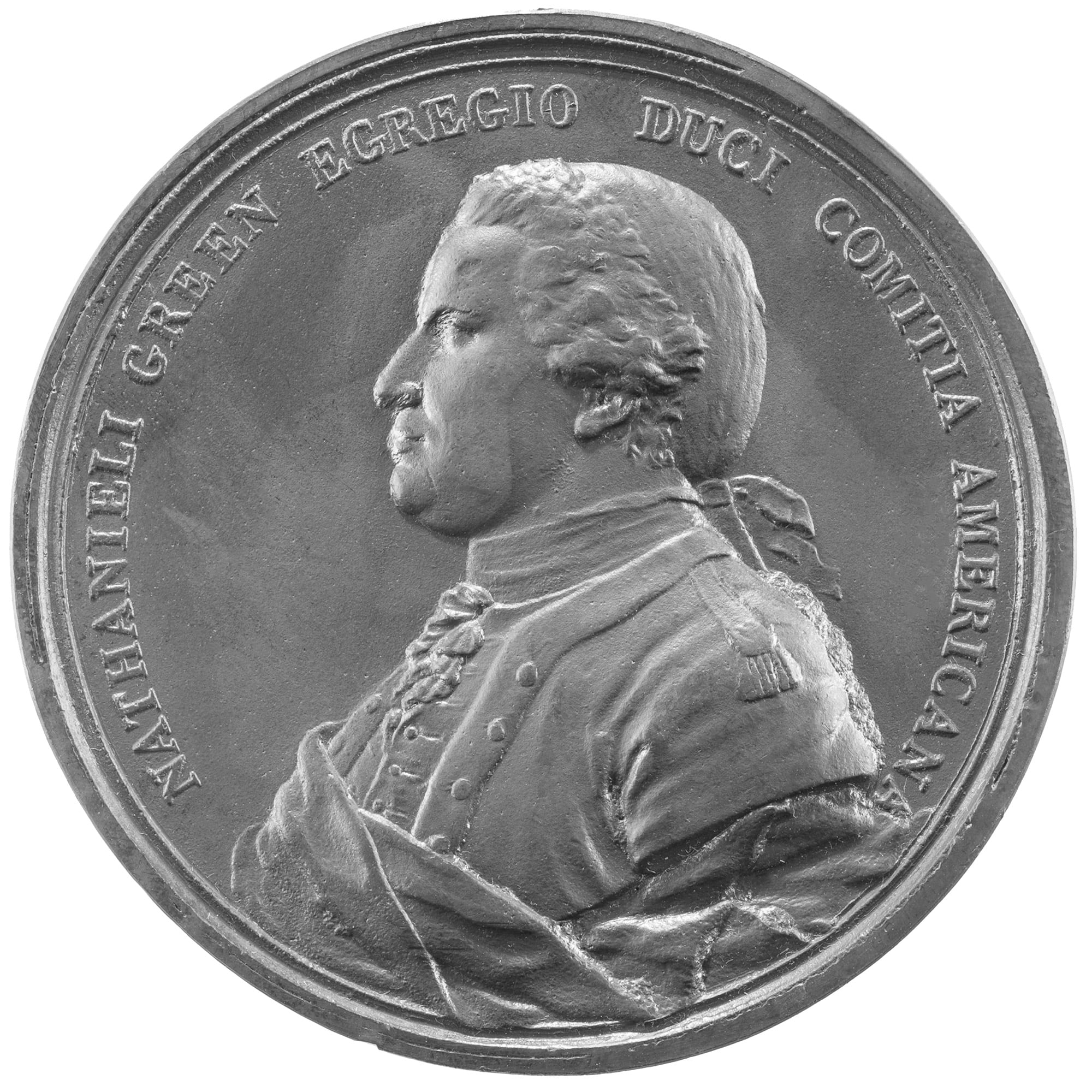
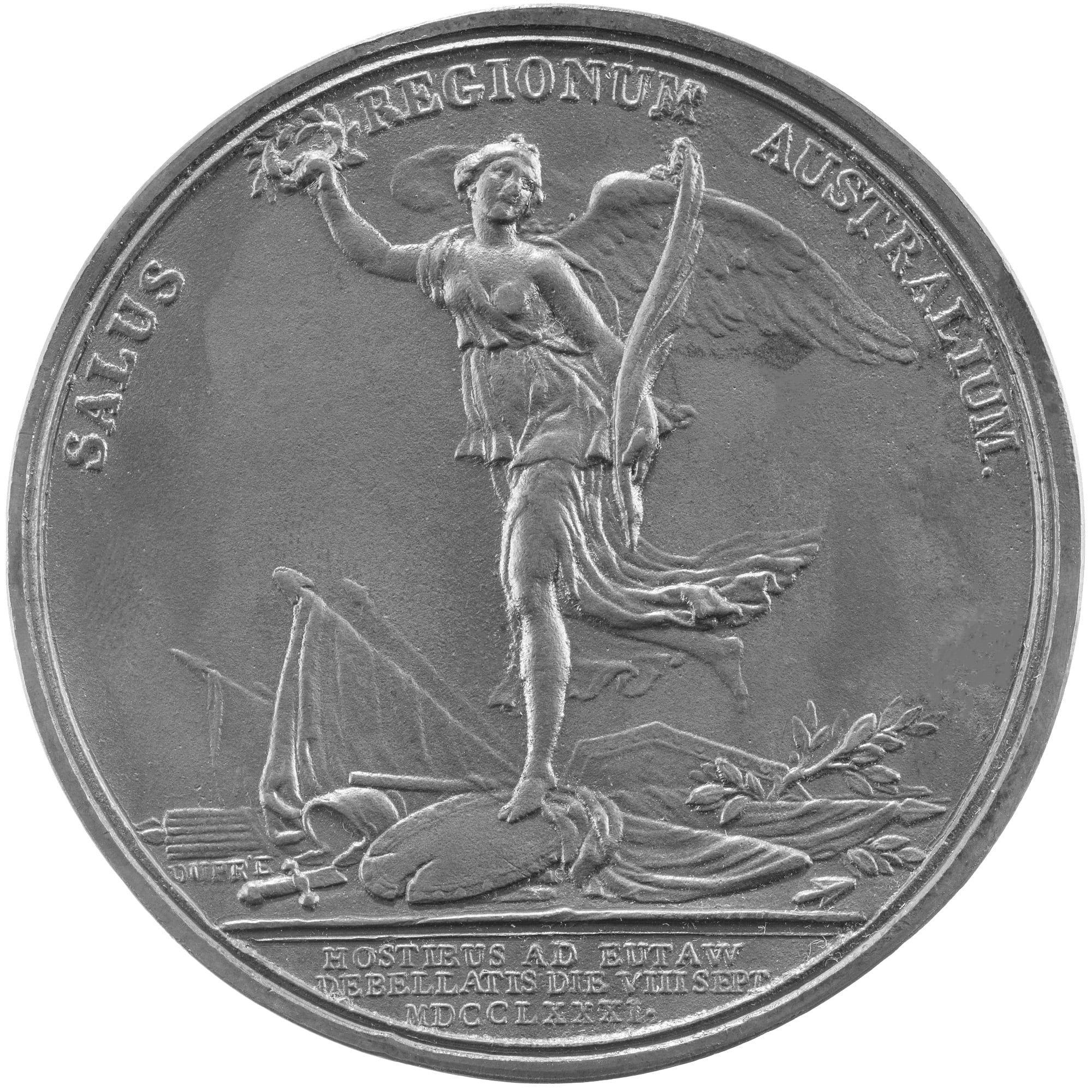
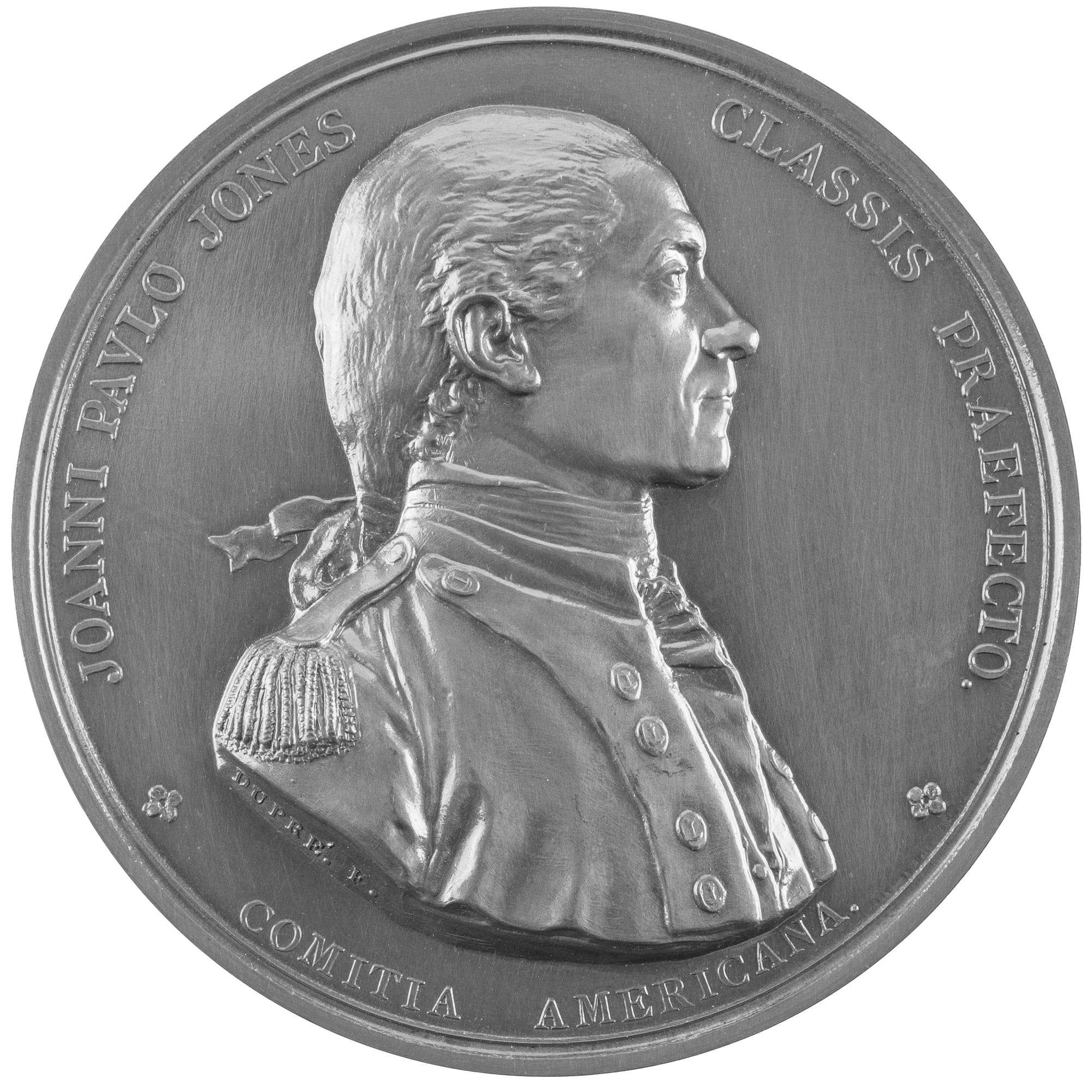
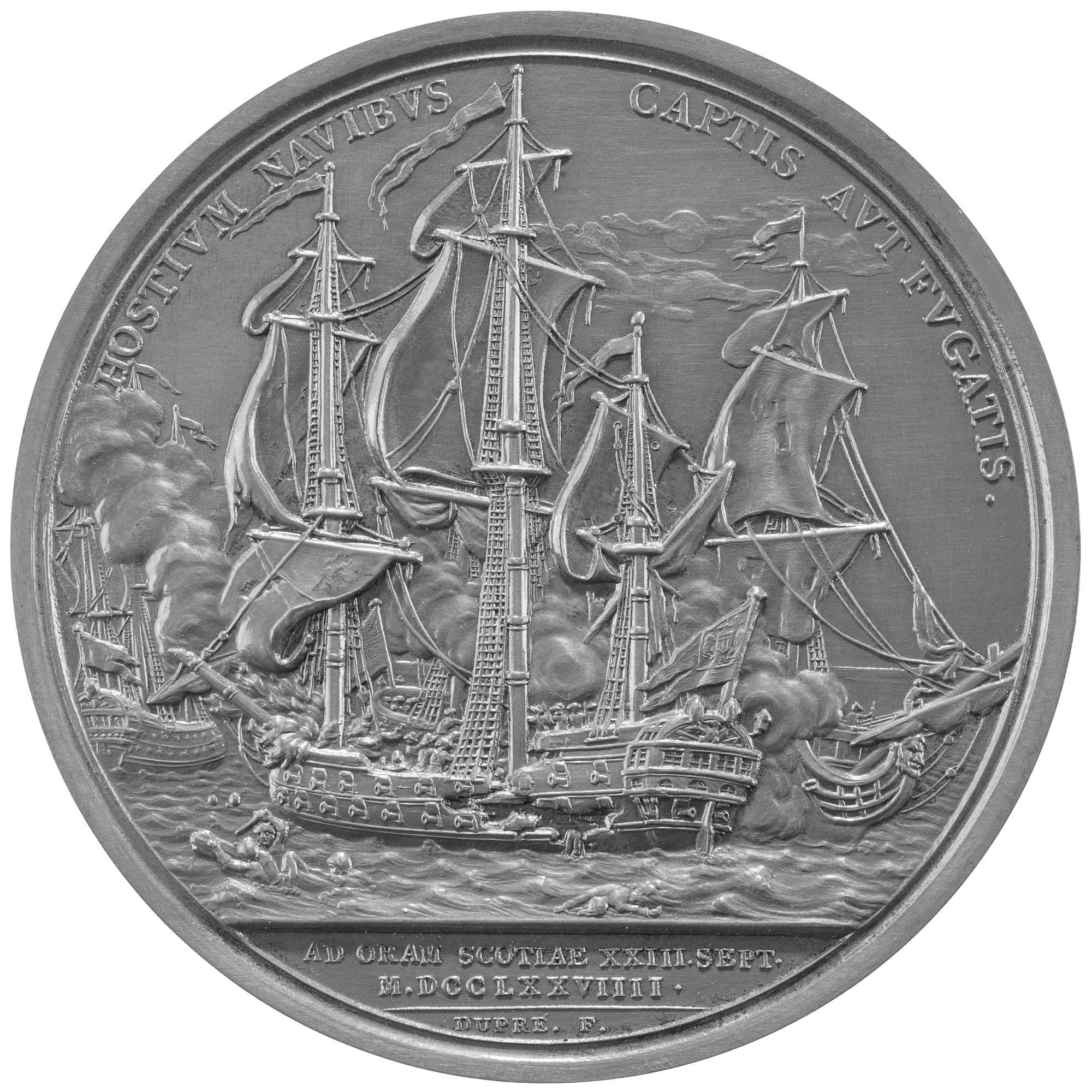
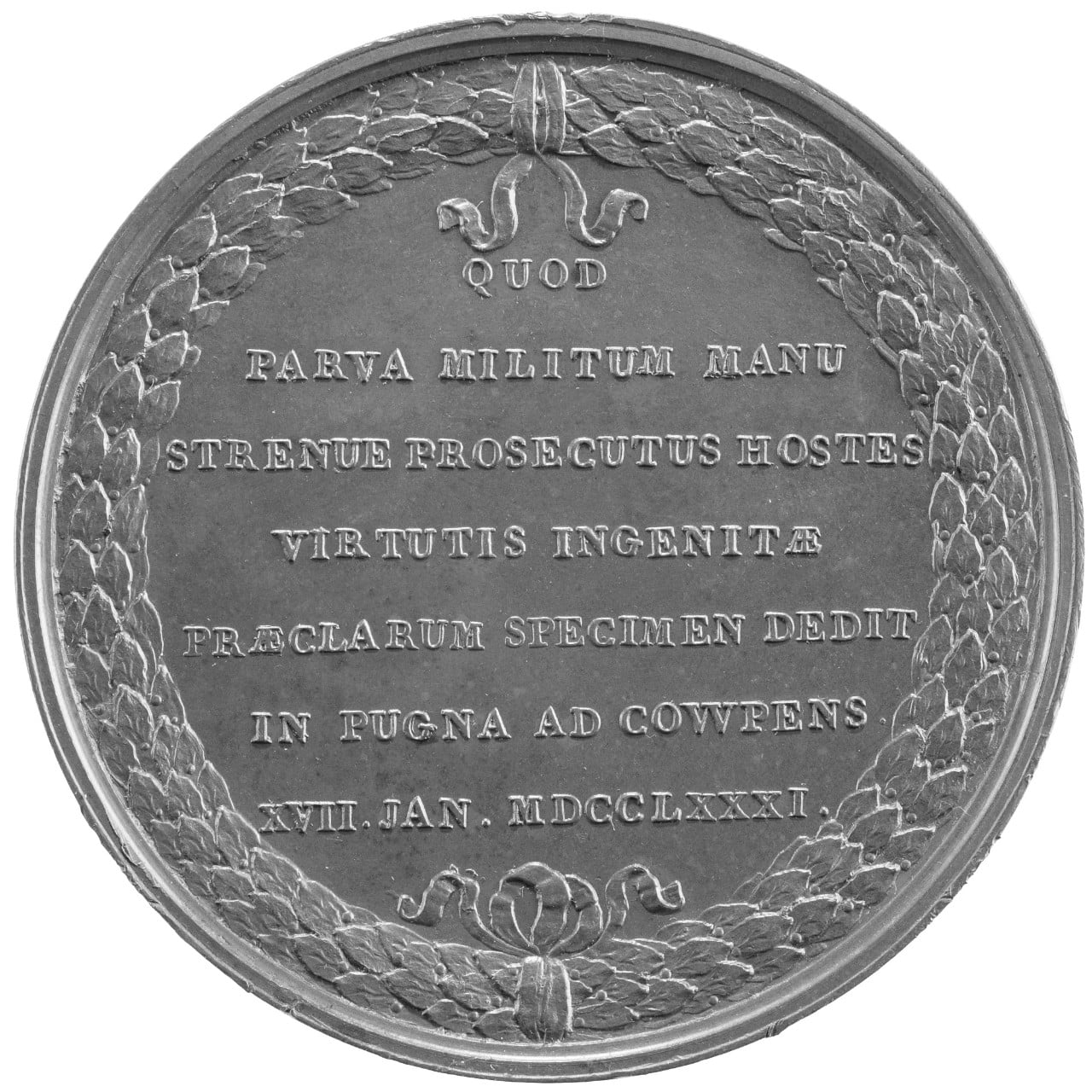
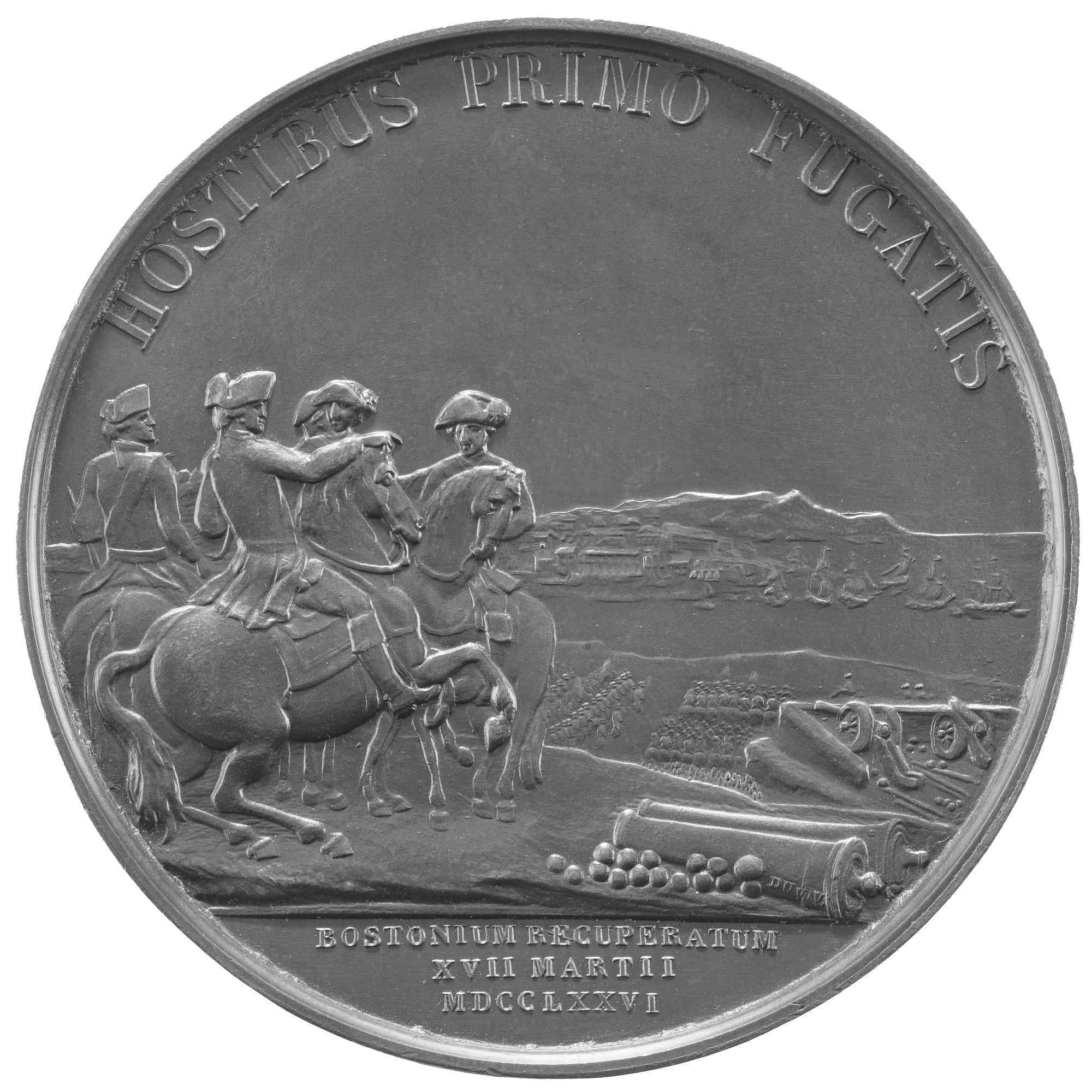
The 10-medal series consisted of 1.5-inch antique-finished pewter reproductions of the first medals authorized by the Continental Congress. The awards honored heroic men and successful Revolutionary War battles that won freedom and independence for a new nation. During the entire America's First Medals program, approximately 2.35 million medals were sold.

Read more about the history of the medals or browse the image gallery below.

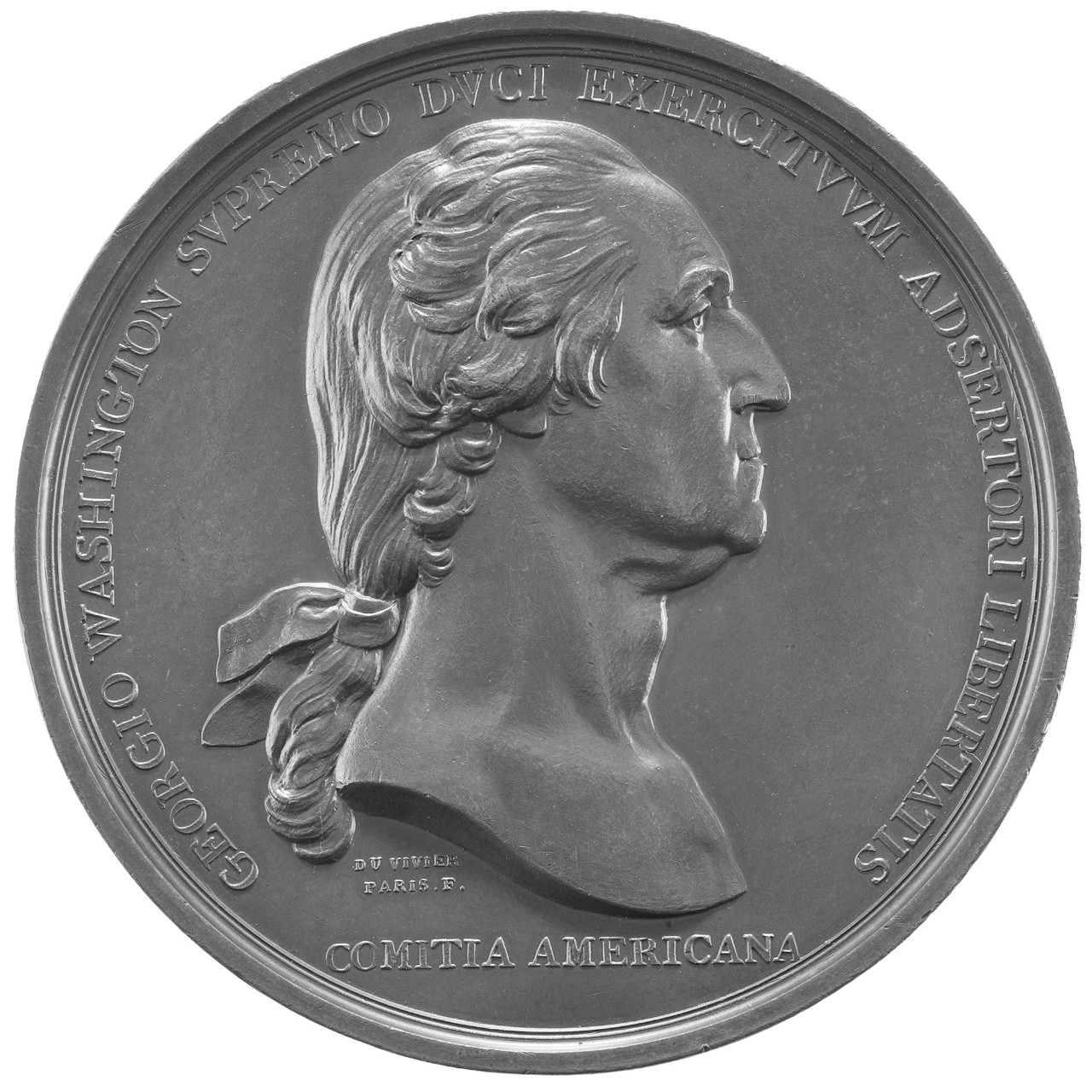
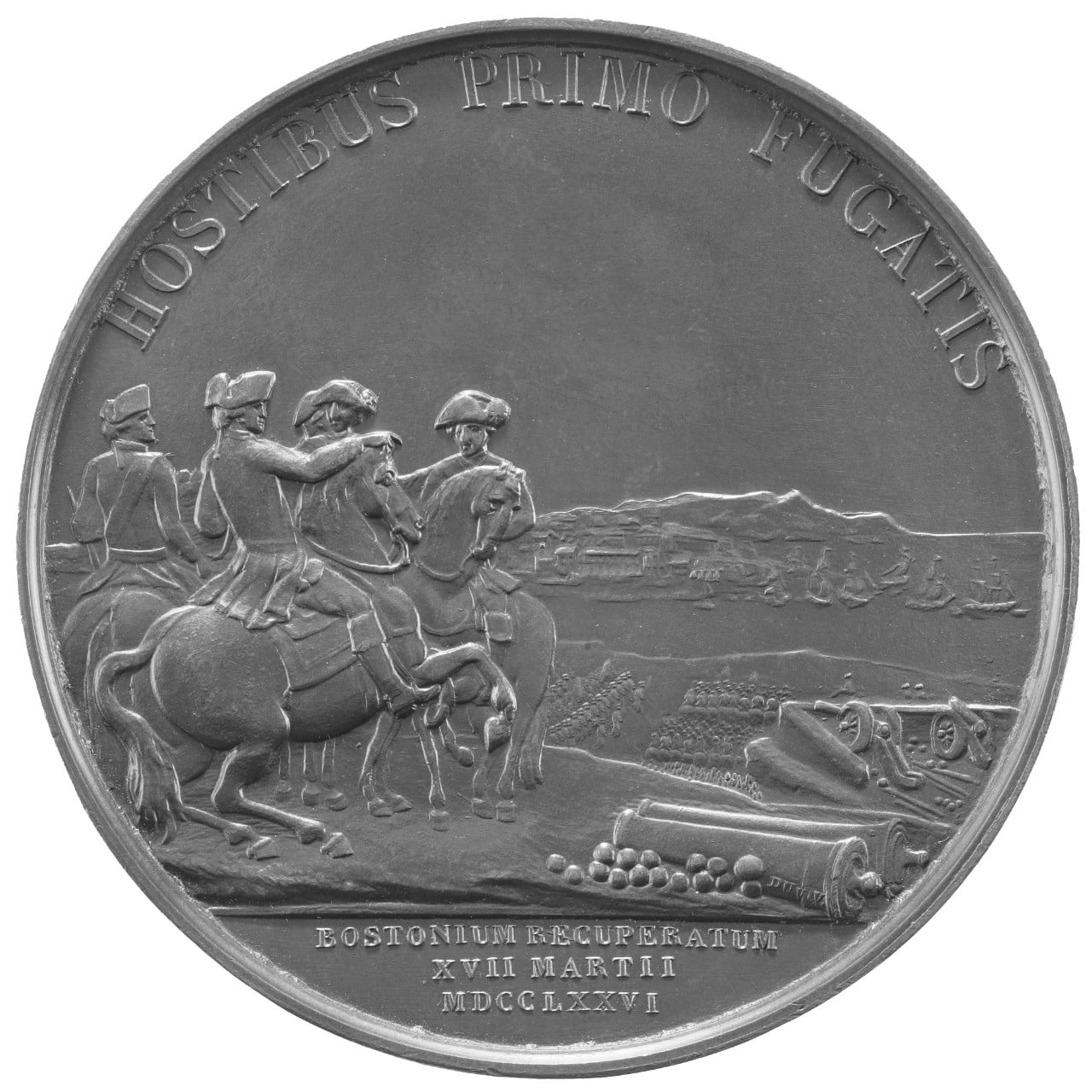
The "Washington Before Boston" medal was the first authorized by the Continental Congress. It was originally struck in gold for presentation to Gen. Washington for the liberation of Boston from the British in 1776. The Mint struck a bronze replica of the medal for the exhibit “Honoring The Heroes of the American Revolution” at the annual convention of the American Numismatic Association in Boston in 1973.

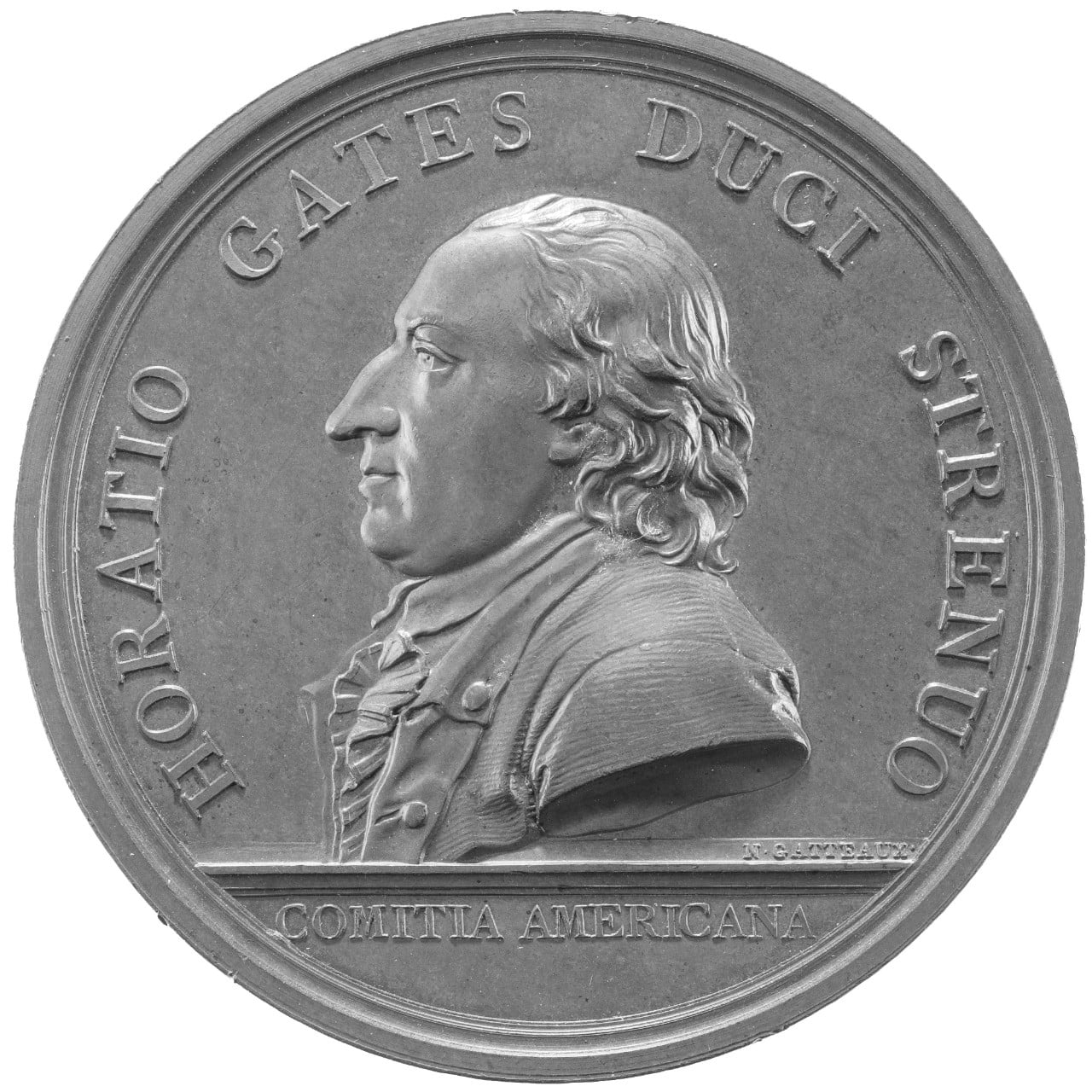
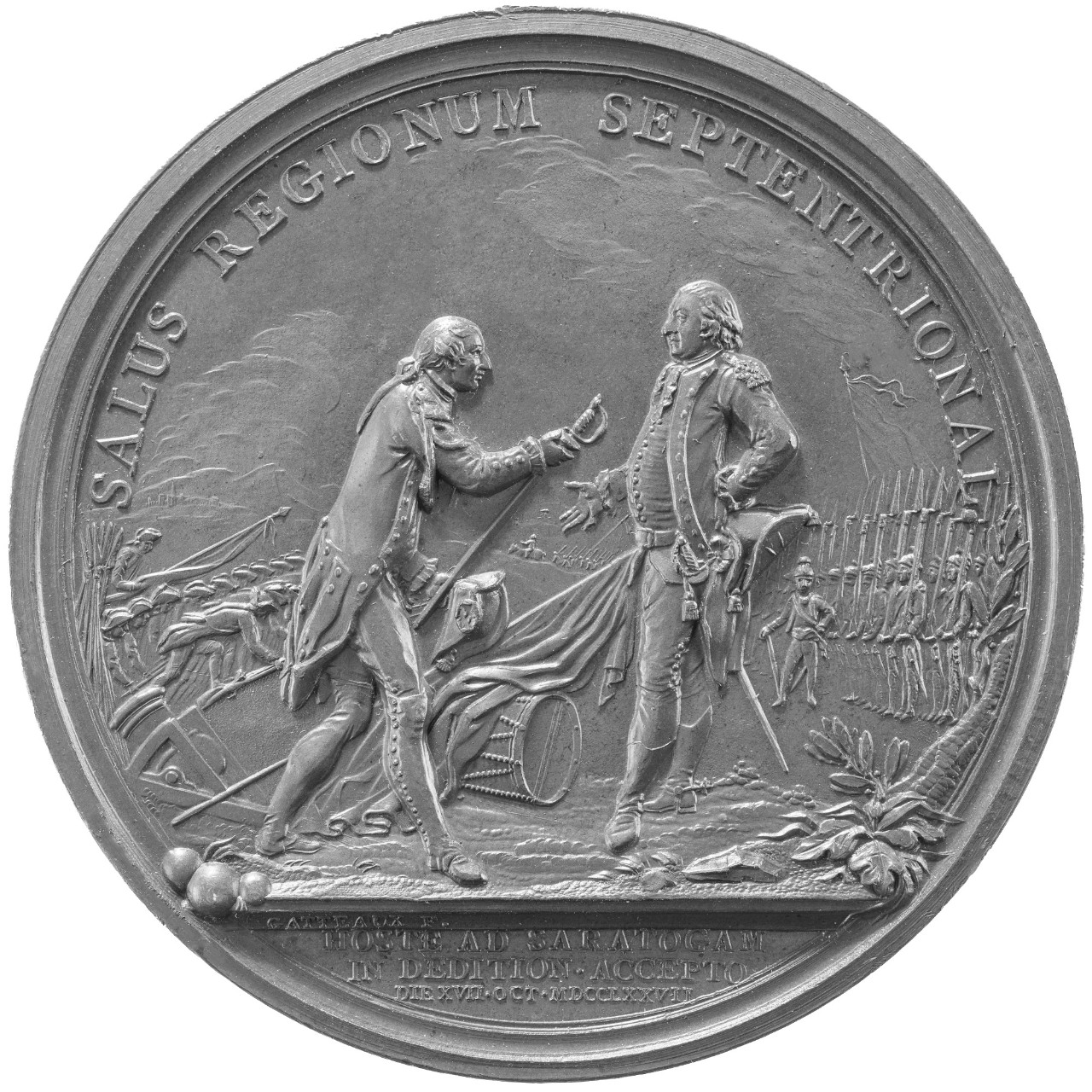
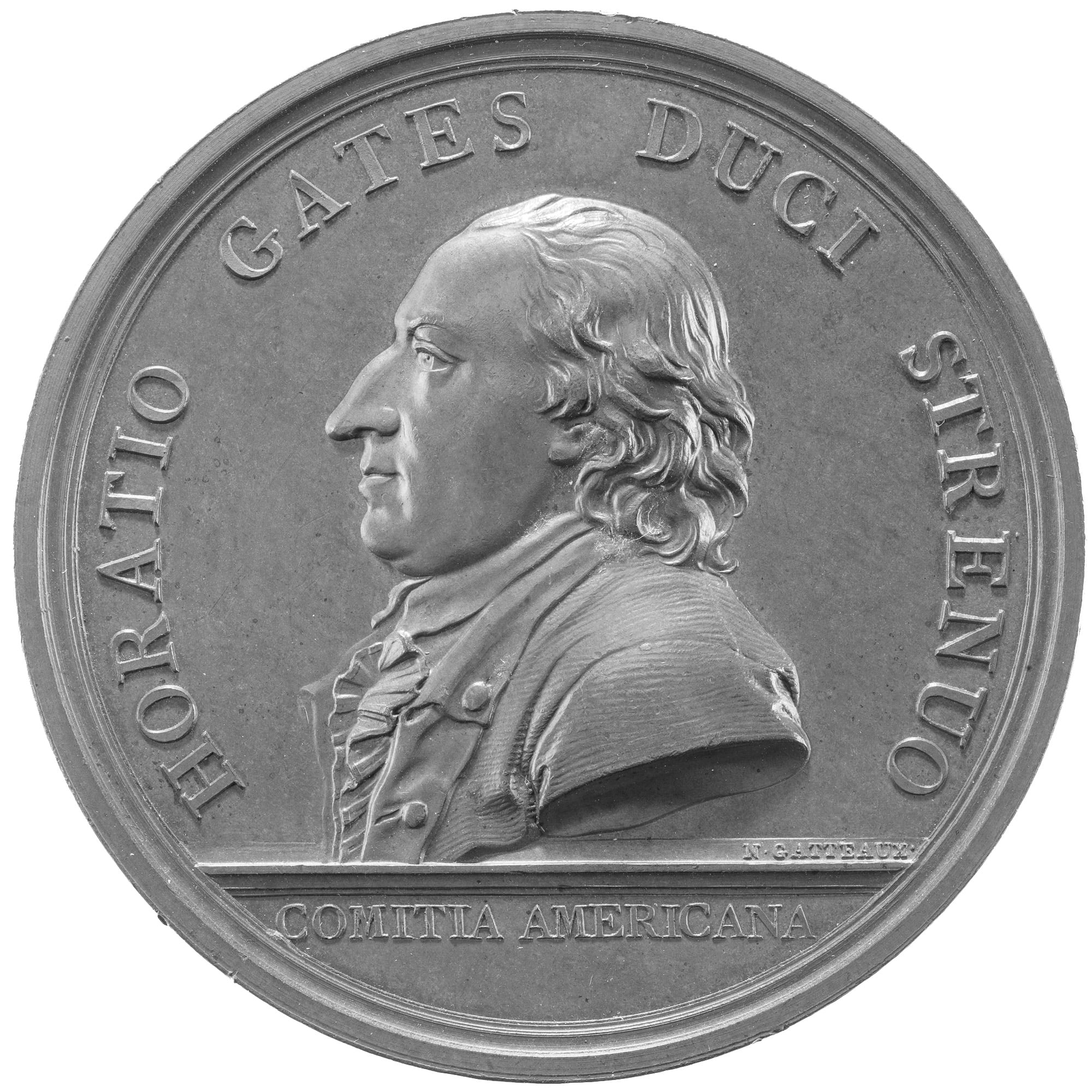
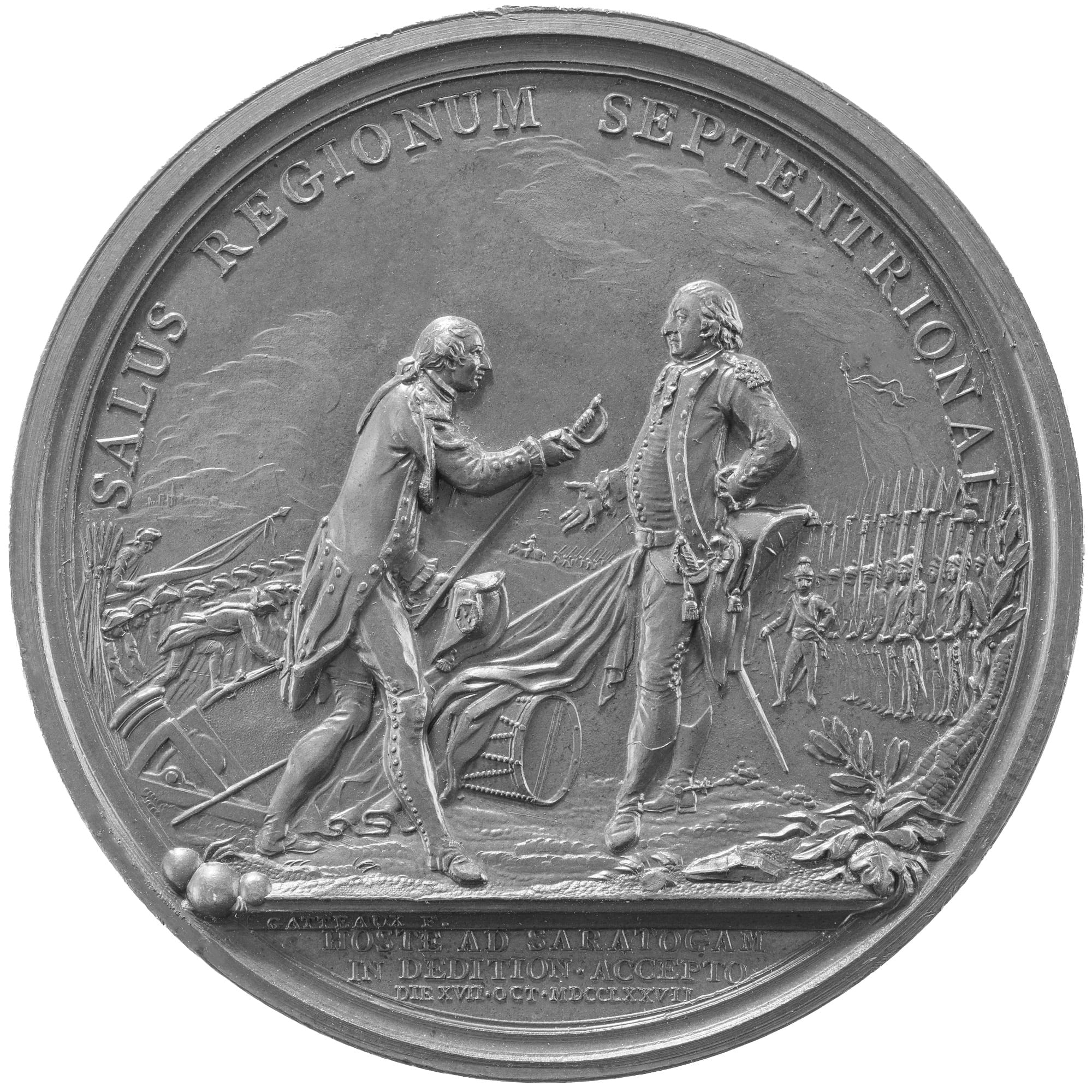
Gen. Horatio Gates was honored for the battles of Bennington, Fort Stanwix (Fort Schuyler), and Saratoga. His award was first struck in gold and awarded in commemoration for the three battles in 1777 which defeated British plans to occupy the Hudson Valley and isolate New England. This medal was engraved by Nicolas Marie Gatteaux.

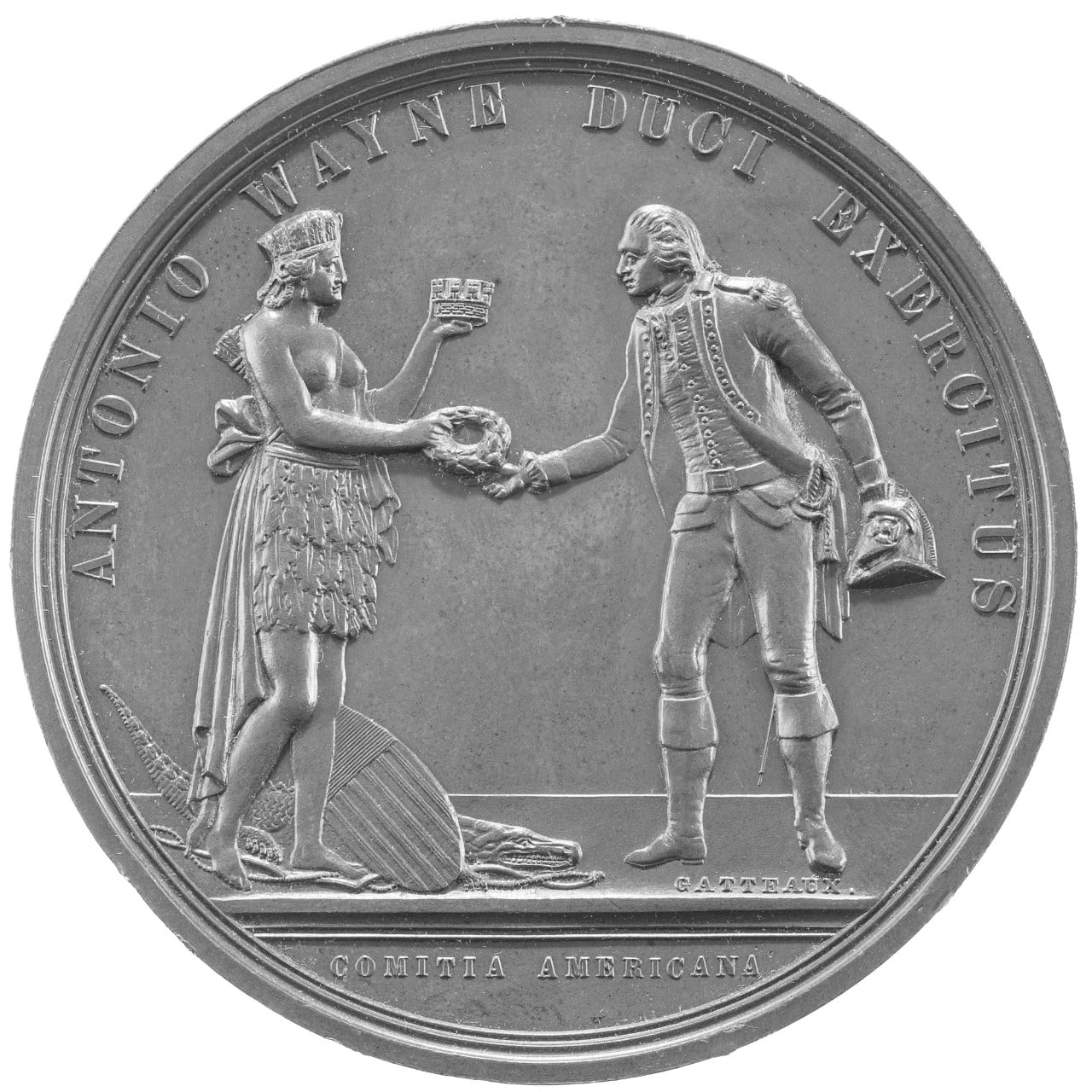
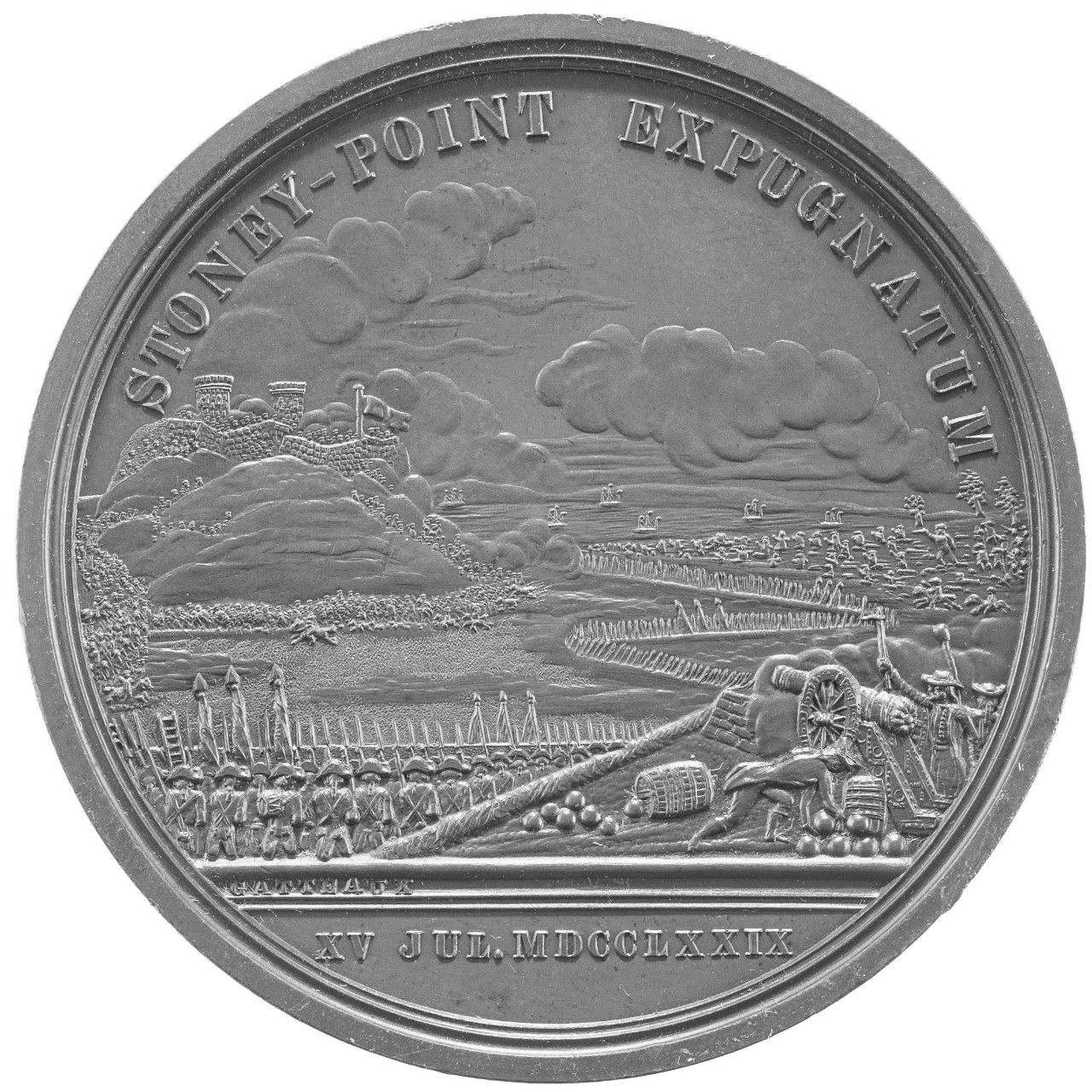
Gen. Anthony Wayne was awarded his medal for leading the bold assault at Stony Point on the Hudson River in 1779. The Battle at Stony Point was the last important military action in the north and enabled Gen. Washington to tighten his grip on the Hudson and especially on West Point, the “Key to the Continent.” This medal was engraved by Nicolas Marie Gatteaux.

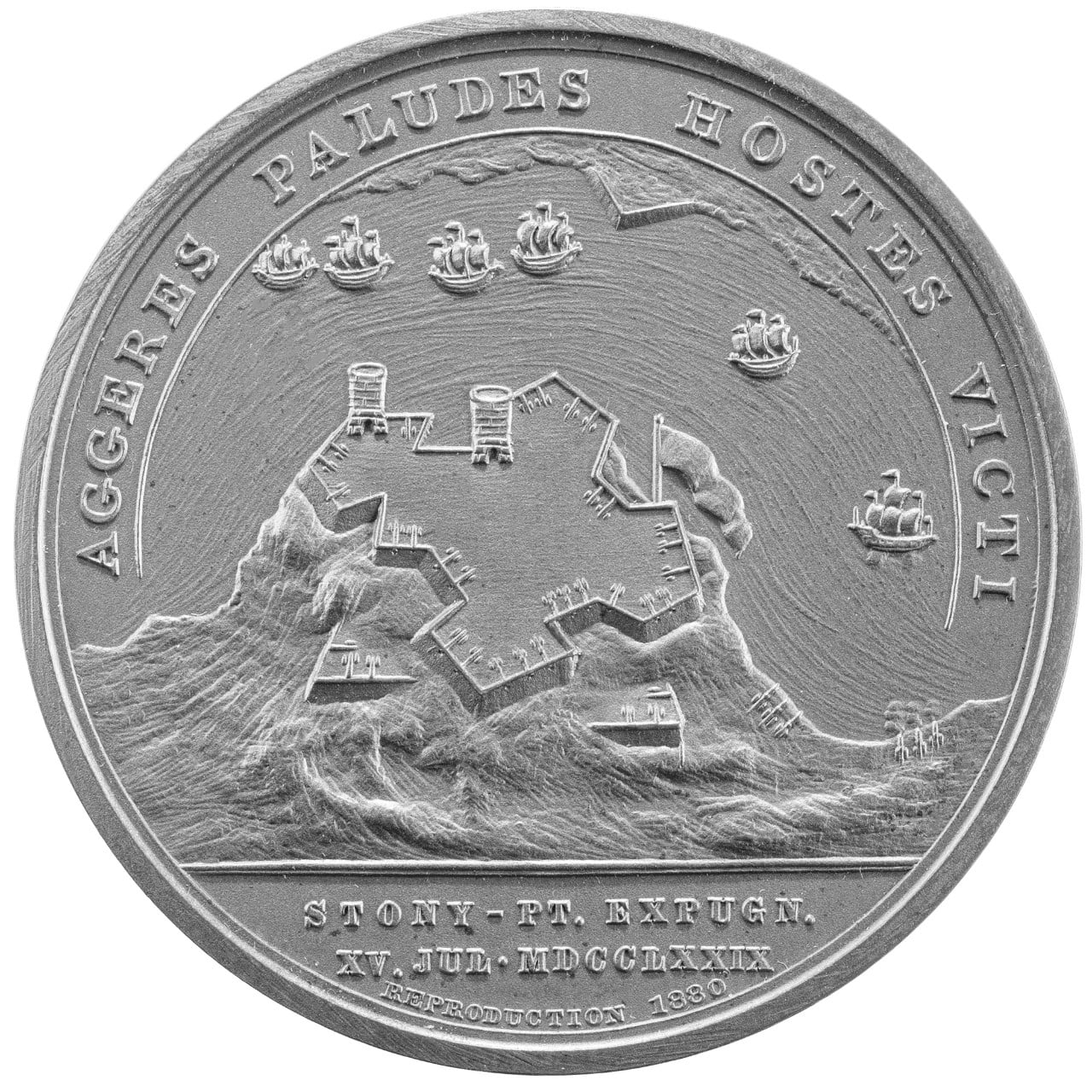
Col. Francois Louis Teisseidre de Fleury received a silver medal for the Battle of Stony Point. A French volunteer in the American Army and commander of one of the attacking columns at the Battle of Stony Point, he was the first to enter the recaptured fort and swiftly struck the British flag with his own hands. The medal was engraved by Pierre Simon Benjamin Duvivier.

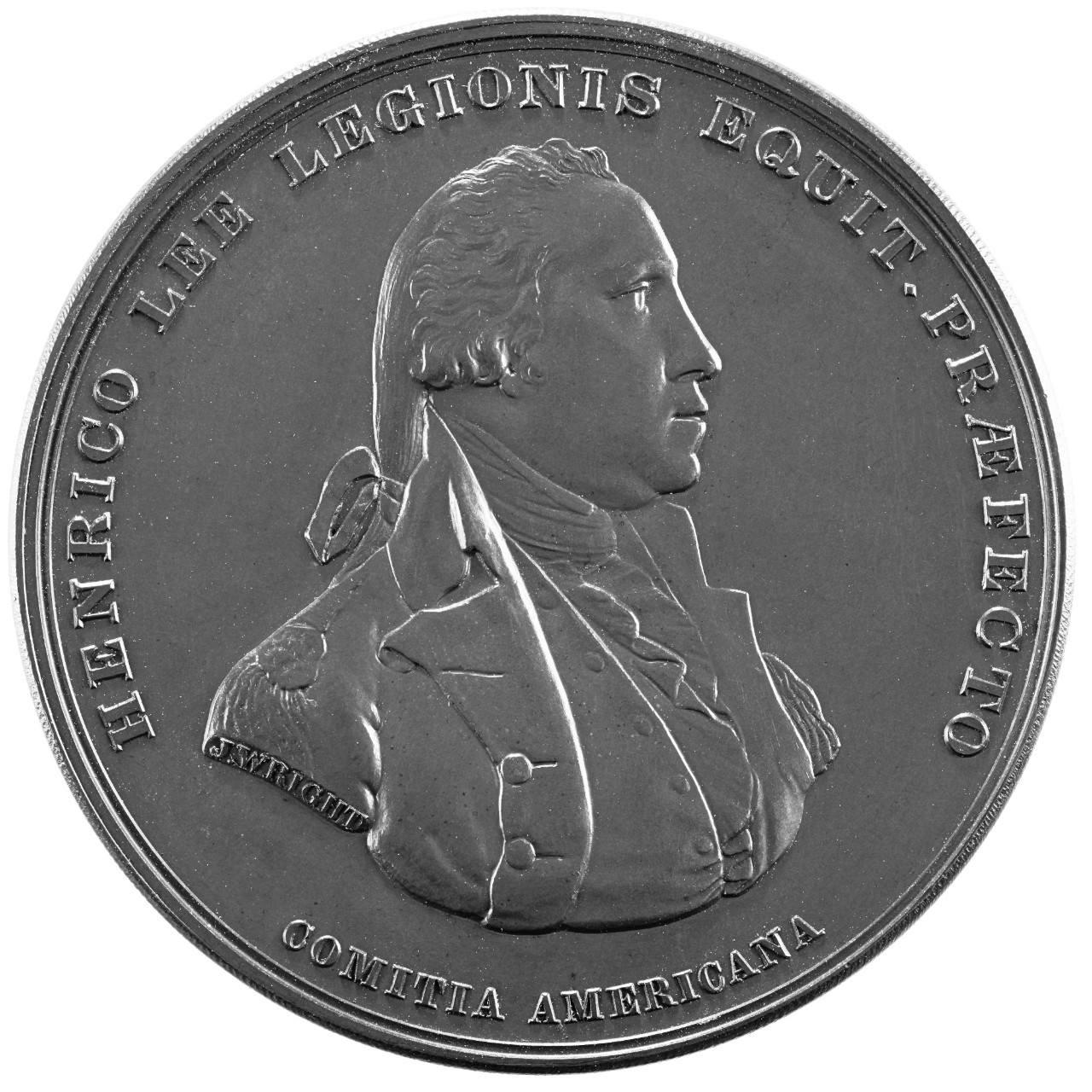
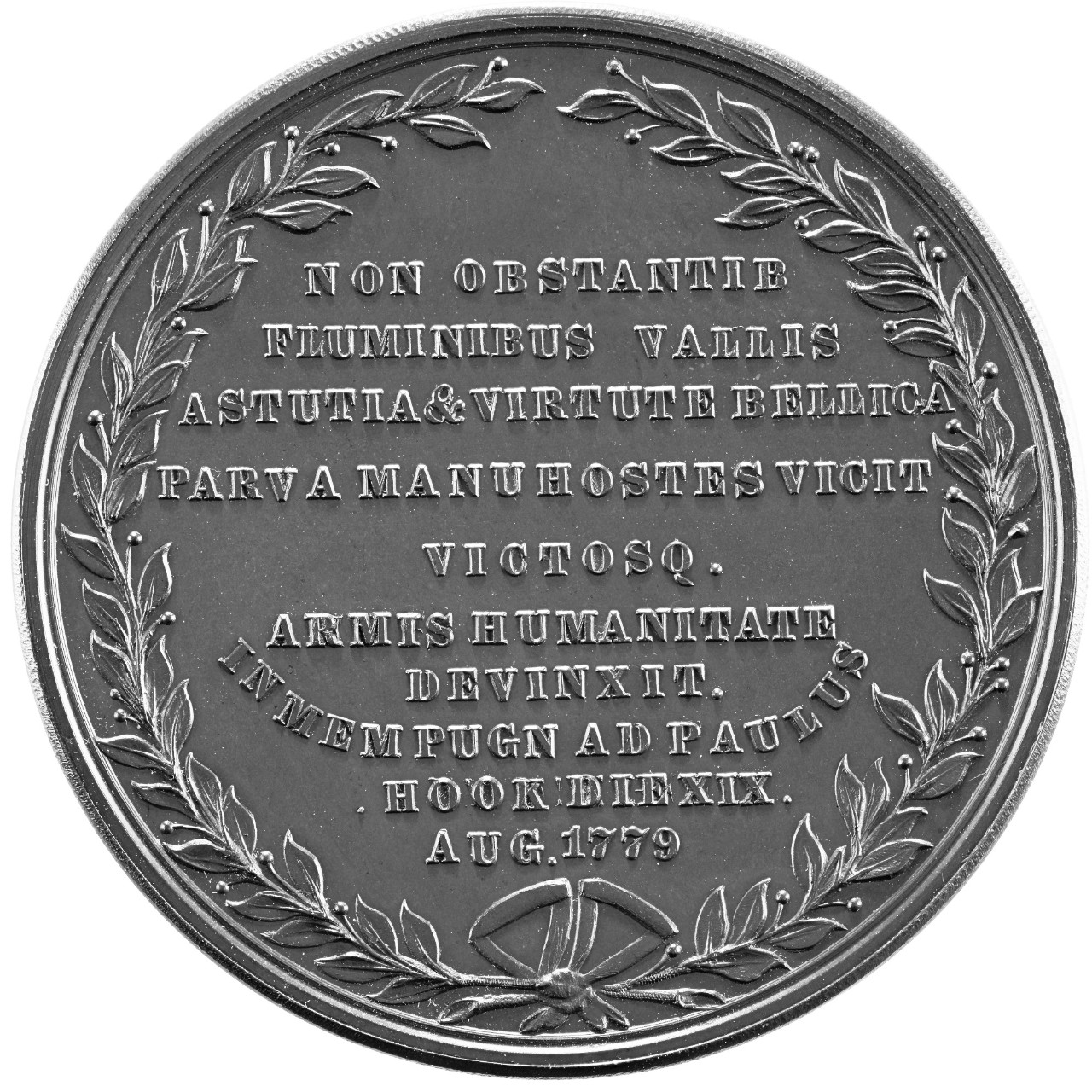
Maj. Henry (“Light Horse Harry”) Lee was granted a gold medal for his daring pre-dawn assault in 1779 “with a handful of men” at Paulus Hook, a British occupied fort in what is now Jersey City, New Jersey. He captured 158 prisoners and safely retreated after the successful completion of his mission. His medal was designed by Joseph Wright, the first engraver of the United States Mint.
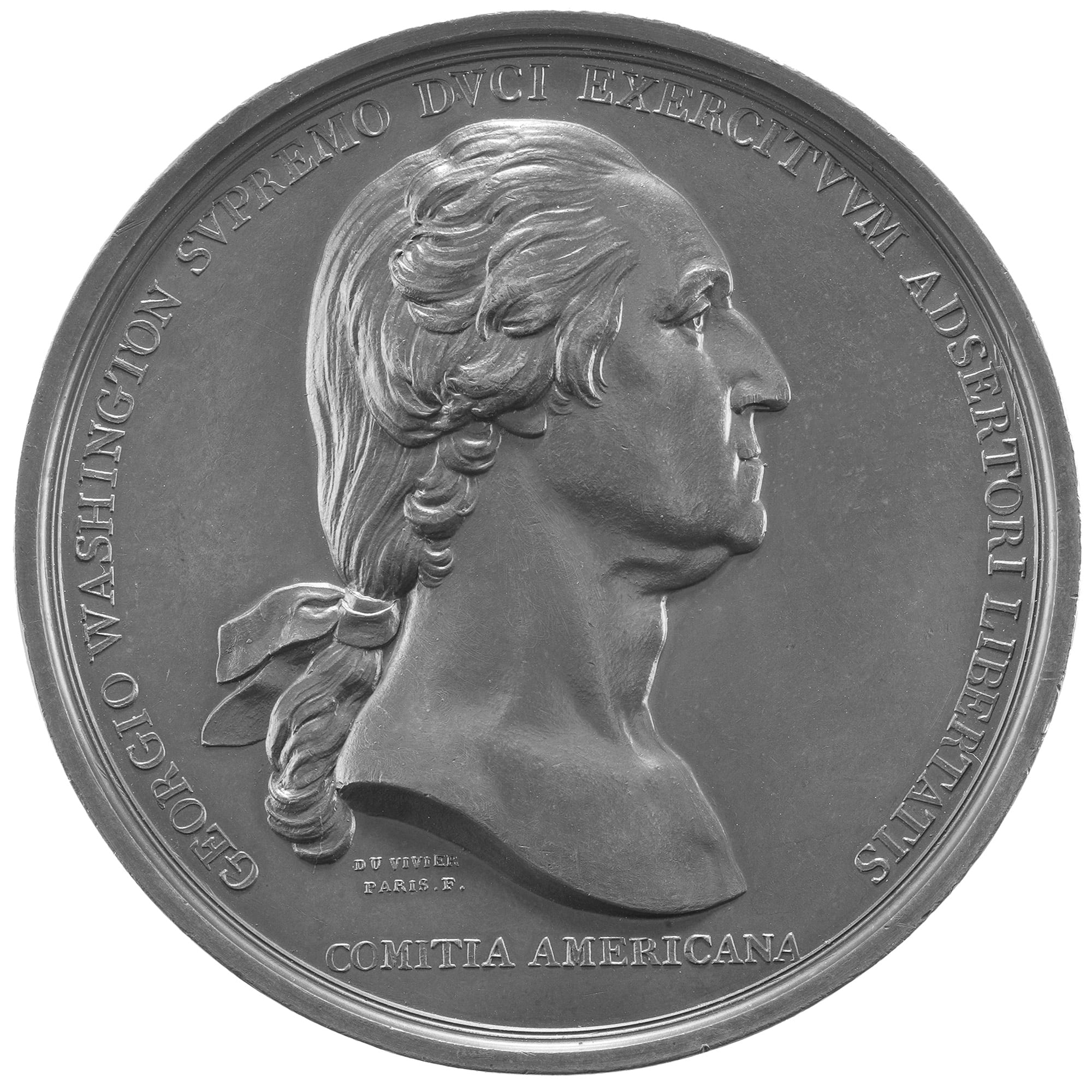
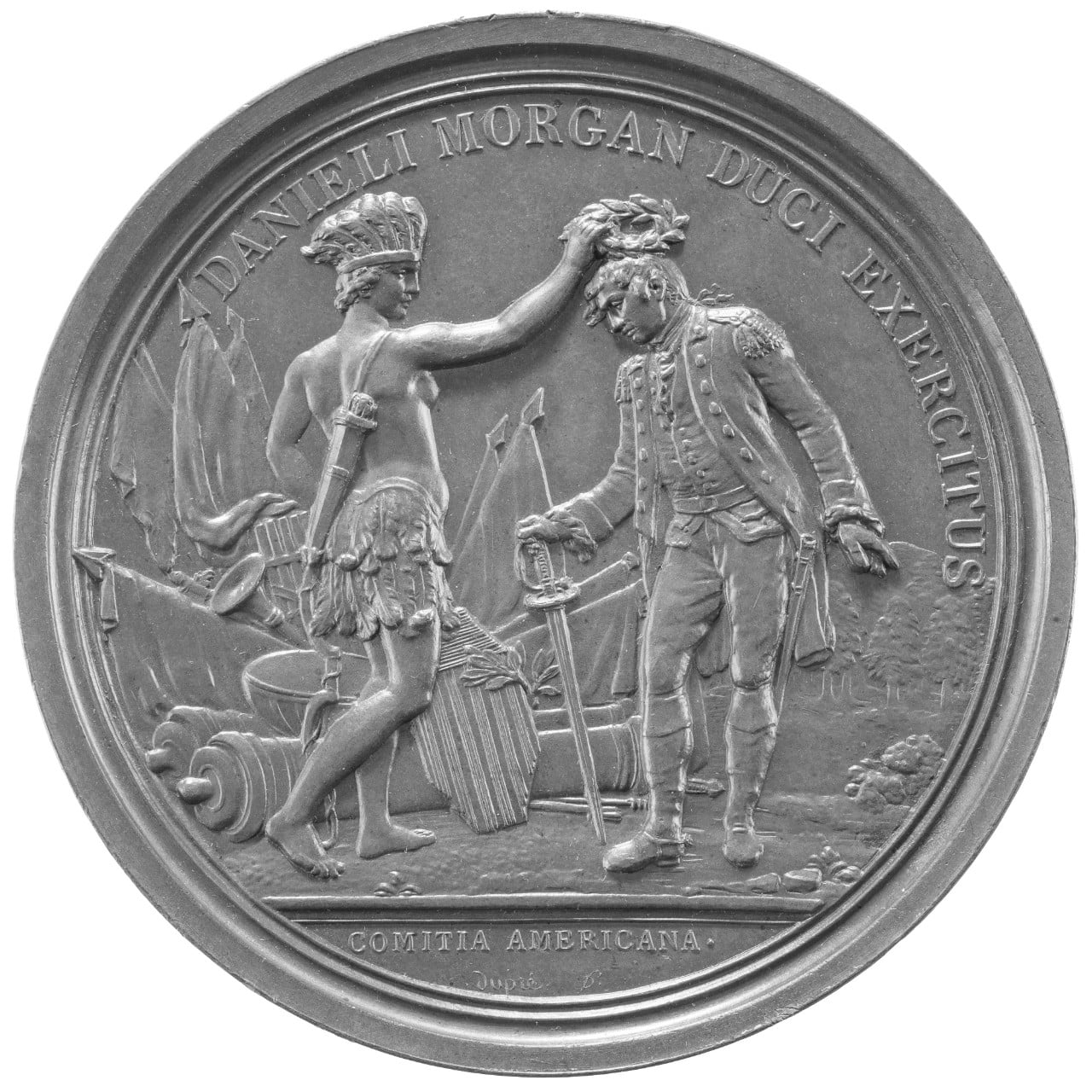
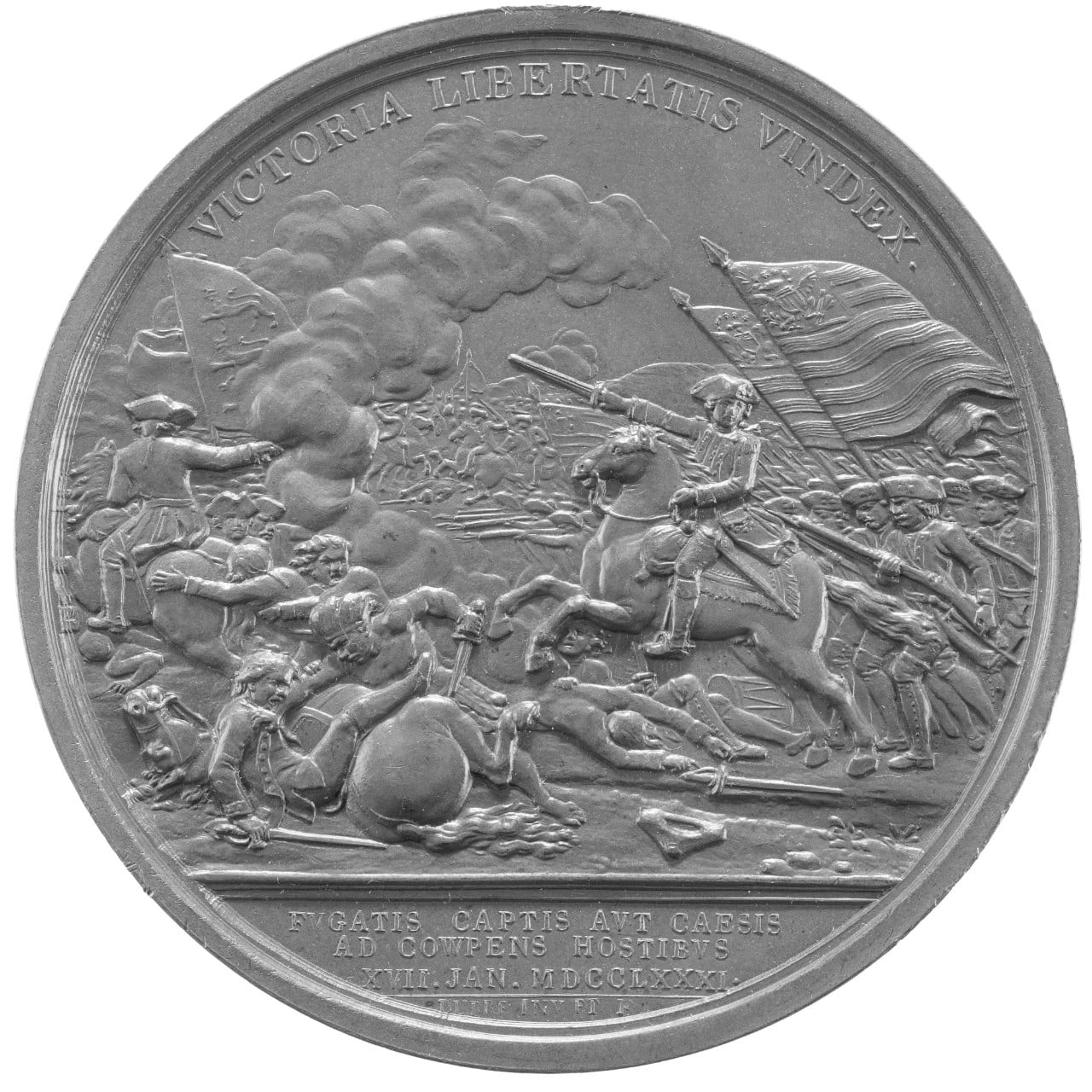
Congress honored Gen. Daniel Morgan with a gold medal for leading his troops to the brilliant tactical victory at the Battle of the Cowpens in South Carolina in 1781. The victory ended a bitter two-year period of defeat and persecution in the struggle for independence and brought renewed spirit to the fight. The medal was engraved by Augustin Dupre.

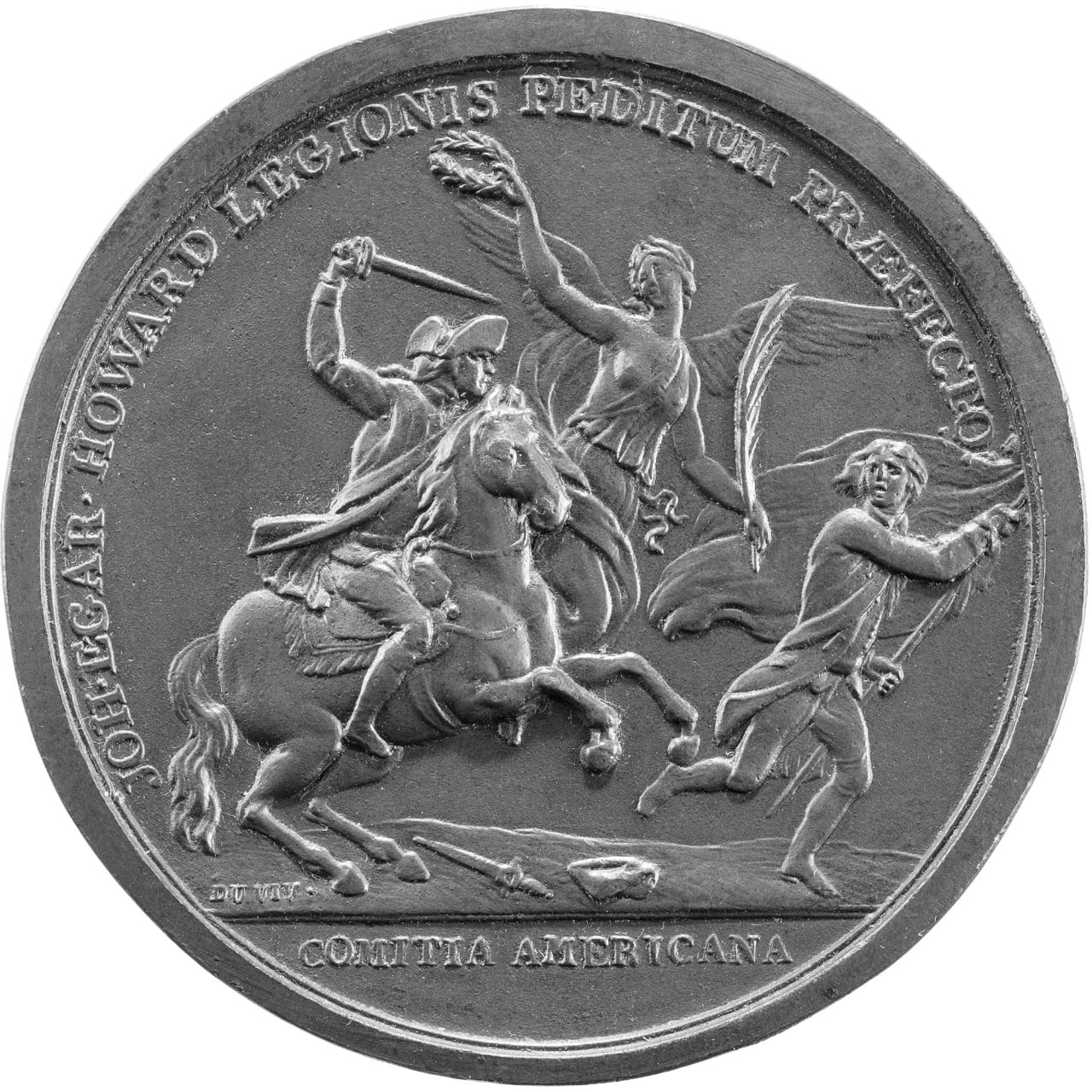
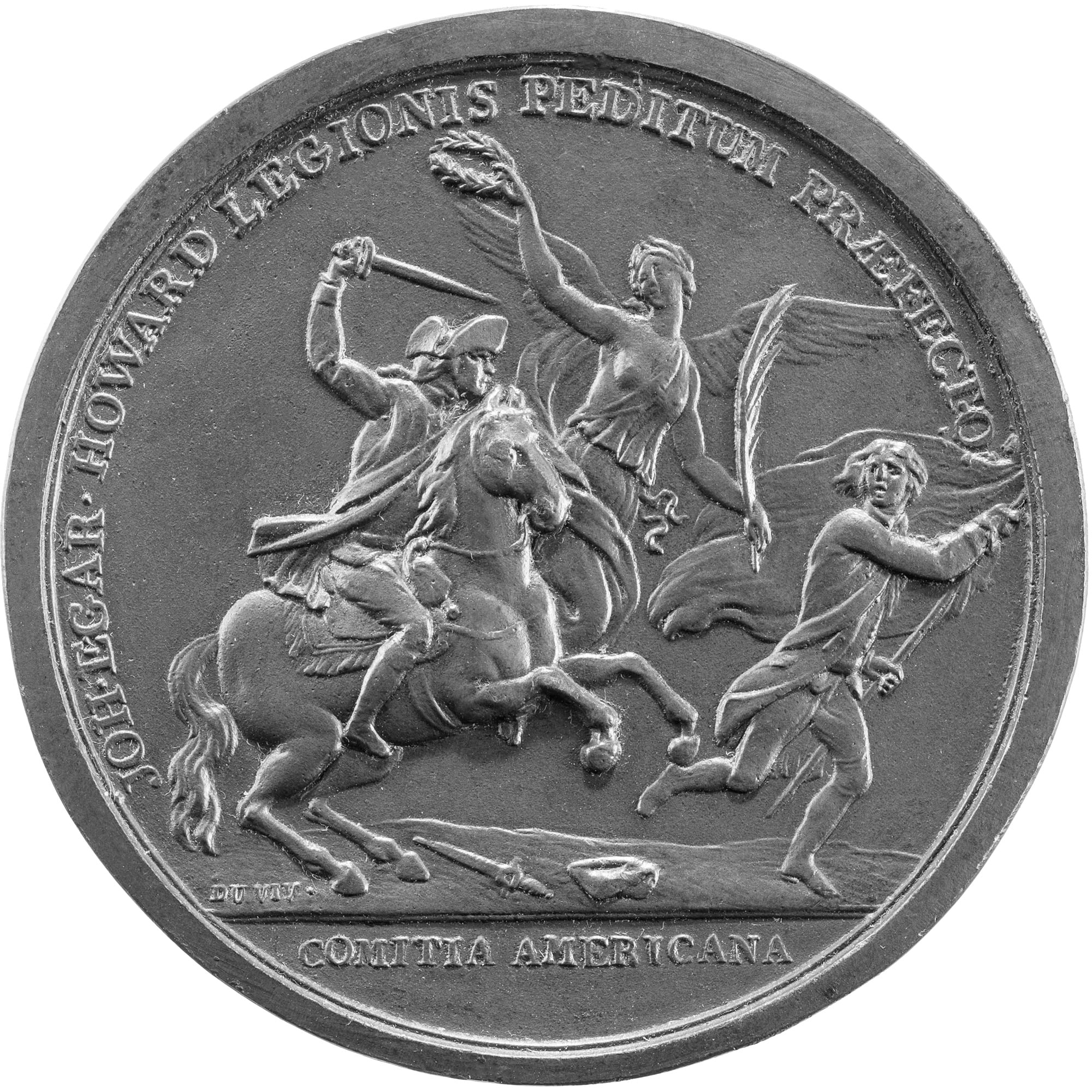
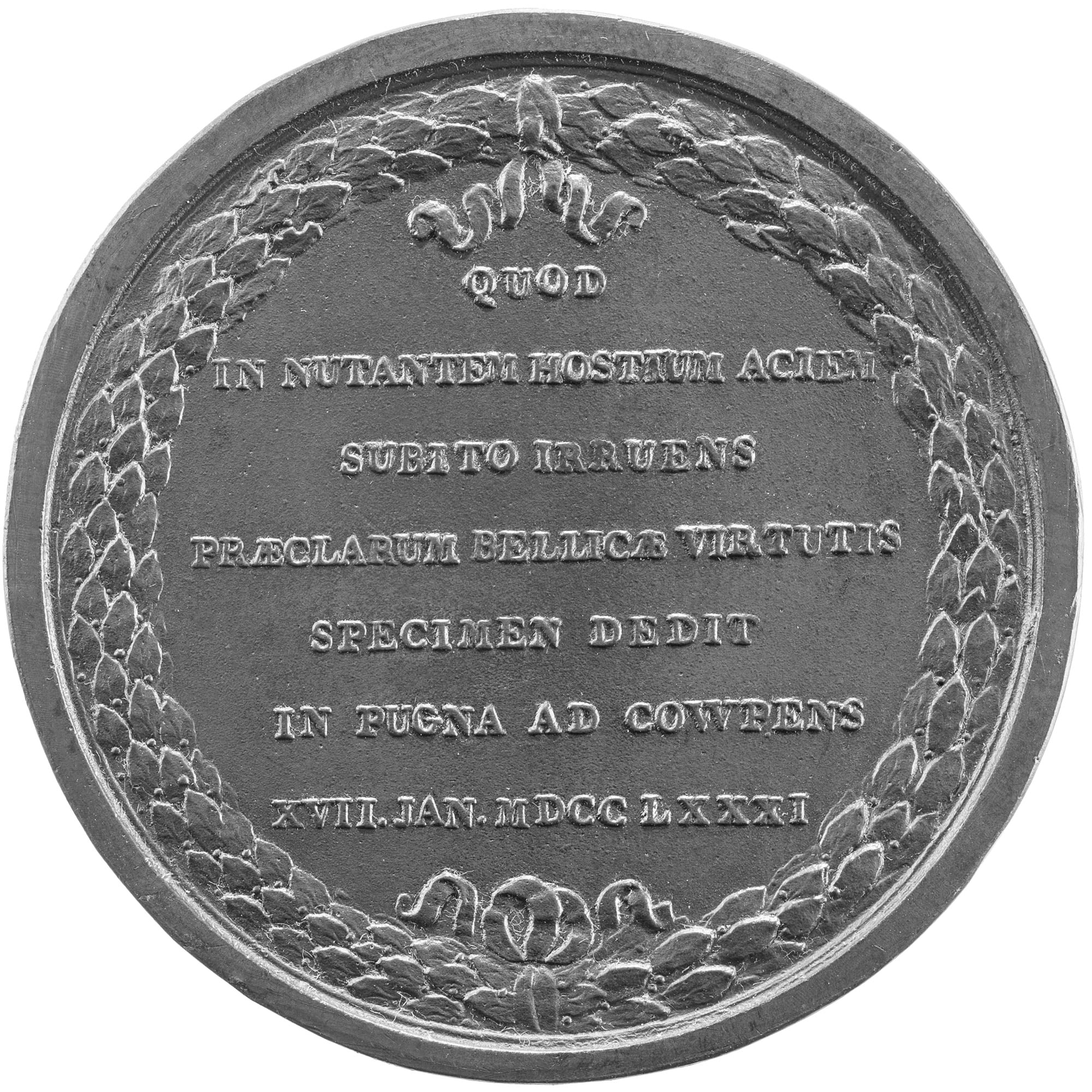
Lt. Col. John E. Howard was awarded a silver medal for his bayonet charge at the Battle of the Cowpens. Though not his only moment of military fame, his unrelenting spirit, seven sword wounds, and generosity to those who surrendered to him at the battle proved him to be a truly remarkable officer. The Howard Medal was engraved by Benjamin Duvivier. (Source: Smithsonian Institution)

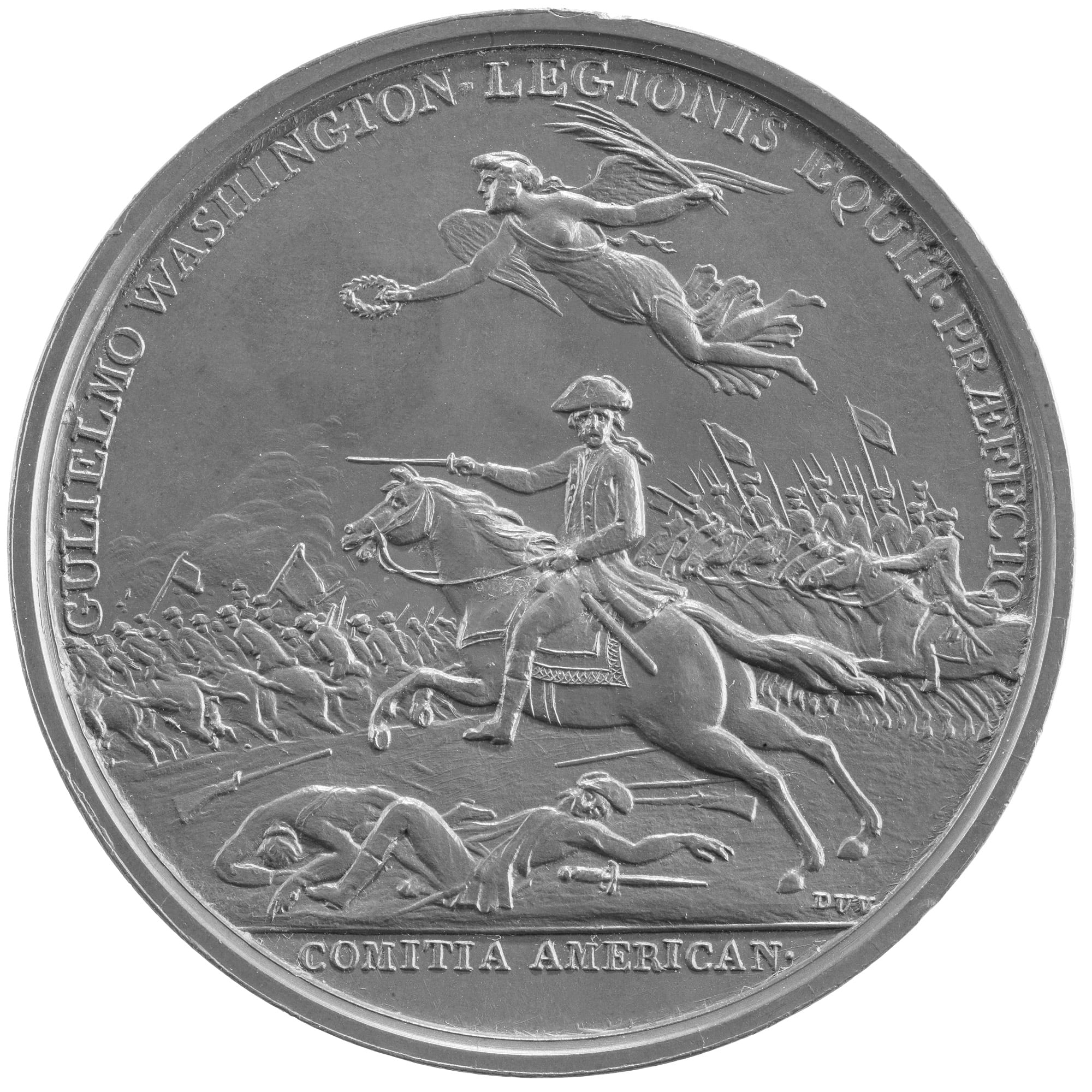
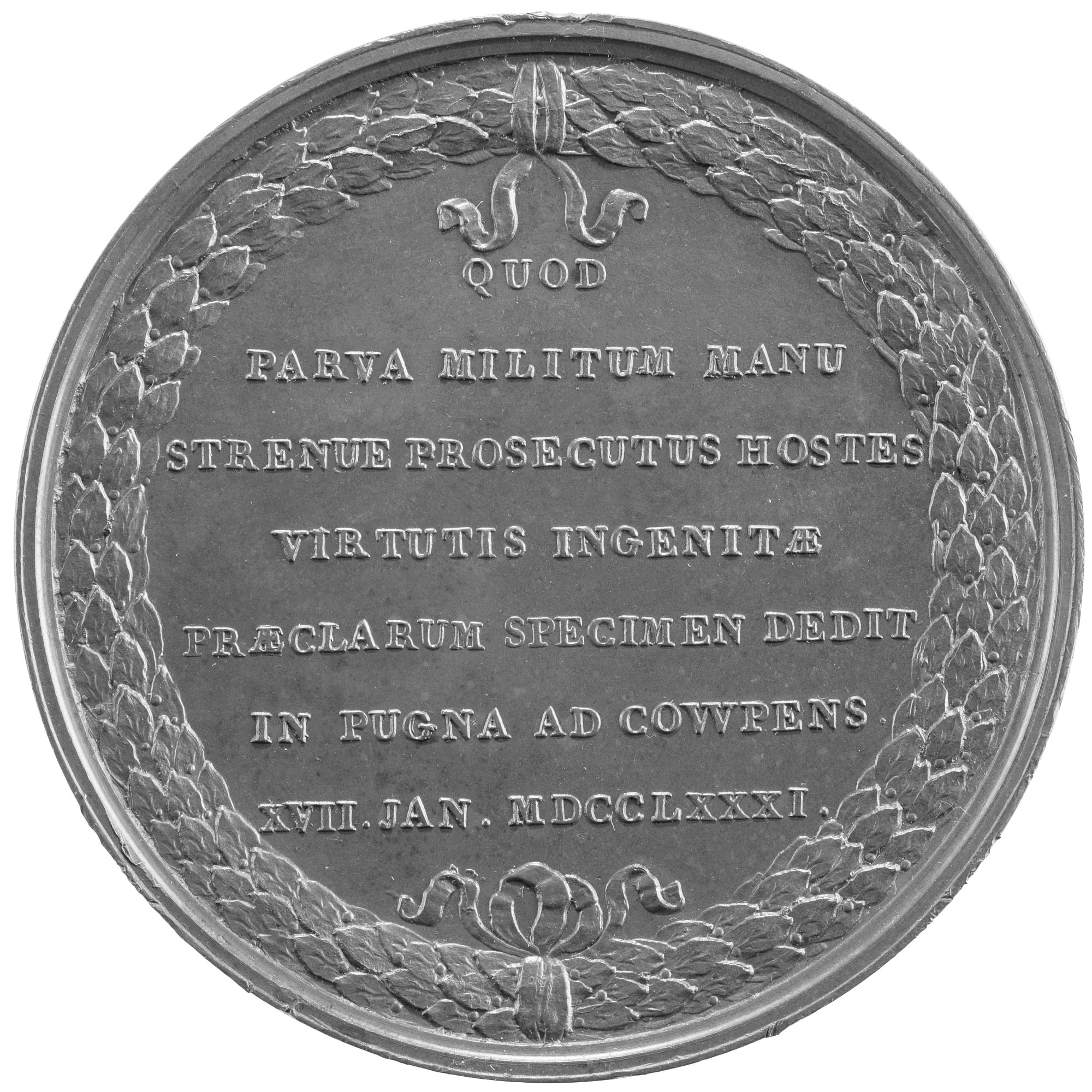
Lt. Col. William Washington was awarded a silver medal for driving back British forces at Cowpens in 1781. He kept his 150 men mostly covered behind a hill for the majority of the battle while the British flanks advanced, according to Gen. Morgan’s plan. When the British were close enough, Washington’s men attacked on foot with sabers, a surprising move by the Americans. He and his men regrouped only to conduct the same attack with equally excellent results. Lt. Col. Washington and Lt. Col. Howard then joined forces for a final surprise attack. Like Howard, Washington’s medal was engraved by Benjamin Duvivier. (Source: Smithsonian Institution)

Gen. Nathaniel Greene was honored with a gold medal for the Battle of Eutaw Springs, South Carolina, in 1781, “in which, with a force inferior in numbers to that of the enemy, he obtained a most signal victory.” Eutaw Springs was the last important military engagement in the Southern theater. Engraver was Augustin Dupre.

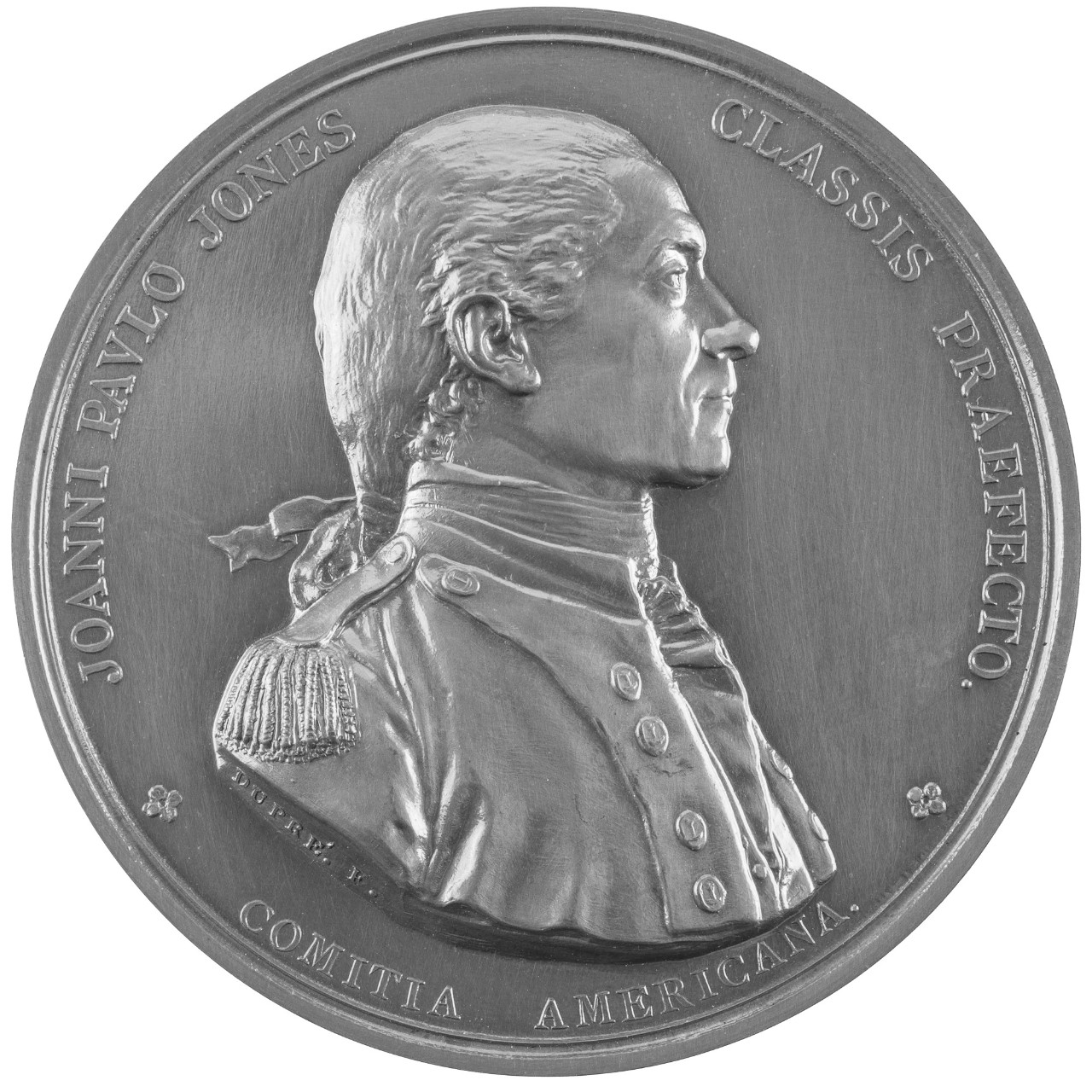
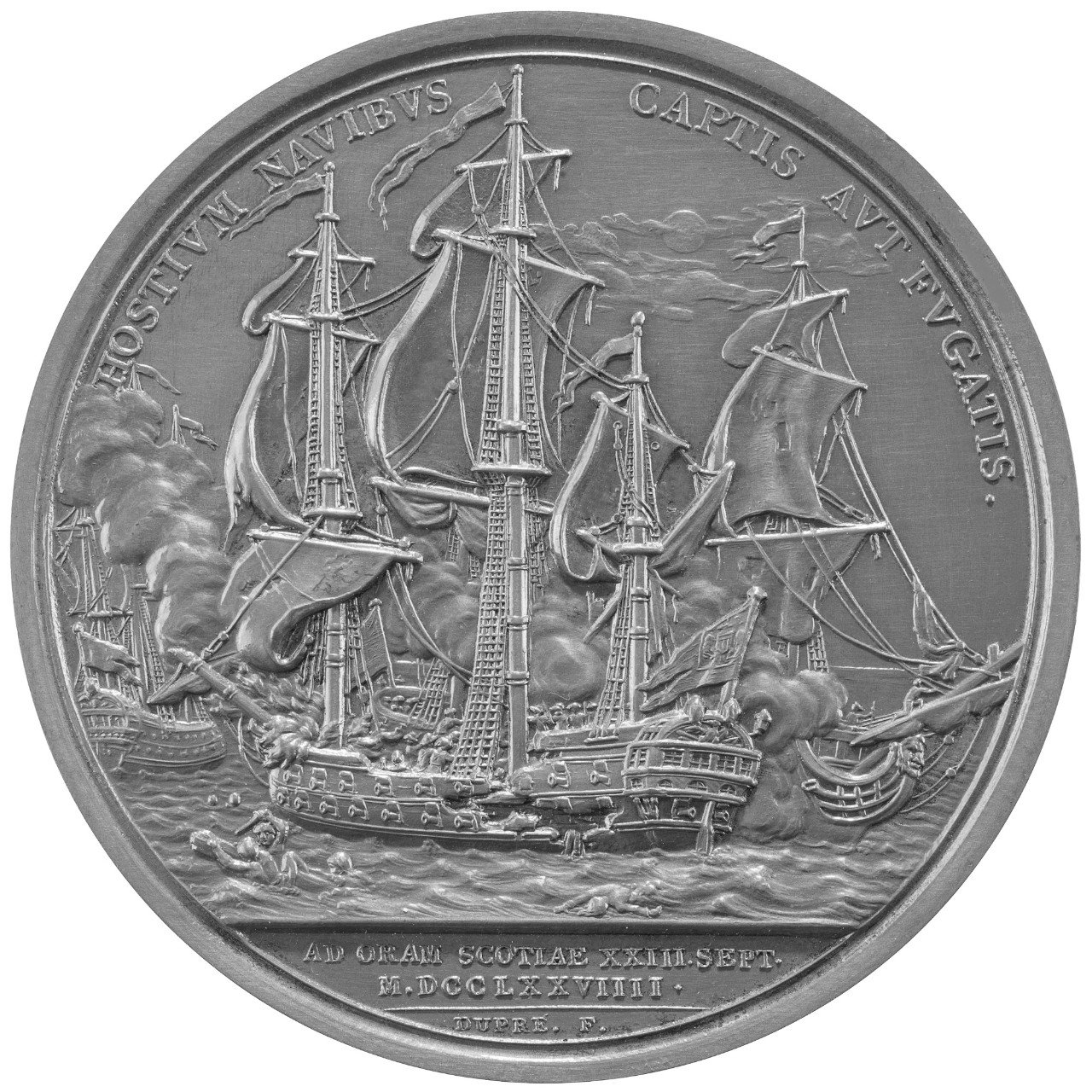
Congress honored Capt. John Paul Jones with a gold medal for his brilliant command of the French and American ships off the British coast in 1779. In one of the most celebrated battles in naval history, Jones ran the bow of the U.S. frigate Bonhomme Richard into the stern of the Serapis. The battle then raged at point-blank range. With the Richard afire, Jones kept firing until the British captain struck his colors. Engraver was Augustin Dupre.