icon-dot-gov icon-https Locked padlock icon
USA Flag
An official website of the United States government. Close/span>

Mint Marks

Mint marks are letters that identify where a coin was made. In the past, they held the maker responsible for the quality of a coin. When the U.S. used precious metals such as gold and silver to make circulating coins, a commission evaluated the composition and quality of coins from each of the Mint facilities. These evaluations ensured that each facility produced coins to the correct specifications.

1942 Nickel Mint Mark

Philadelphia was the only branch in operation in the Mint’s earliest years, so identifying the source of a coin was not necessary. When the Mint opened branches in Charlotte, Dahlonega, and New Orleans in 1838, mint marks made their first appearance on U.S. coins.


However, the practice of not identifying Philadelphia’s coins continued even after the first branches were established.


This changed in 1942. When nickel was removed from five-cent coins during World War II, the “P” mint mark first appeared on coins produced in Philadelphia. The mark’s position also moved from the right of Monticello to above the dome to indicate the new metal composition.

1942 Nickel Mint Mark

After the war, when use of the regular alloy resumed, mint marks returned to their former positions, and the Mint no longer used Philadelphia’s “P.”

Susan B. Anthony Mint Mark

The Coinage Act of 1965 eliminated mint marks to discourage collecting while the Mint worked to meet the country’s coinage needs. So, no mint marks appeared on circulating coins from 1965 to 1967.


When mint marks returned in 1968, they were placed on the obverse, after having previously been on the reverse of coins.


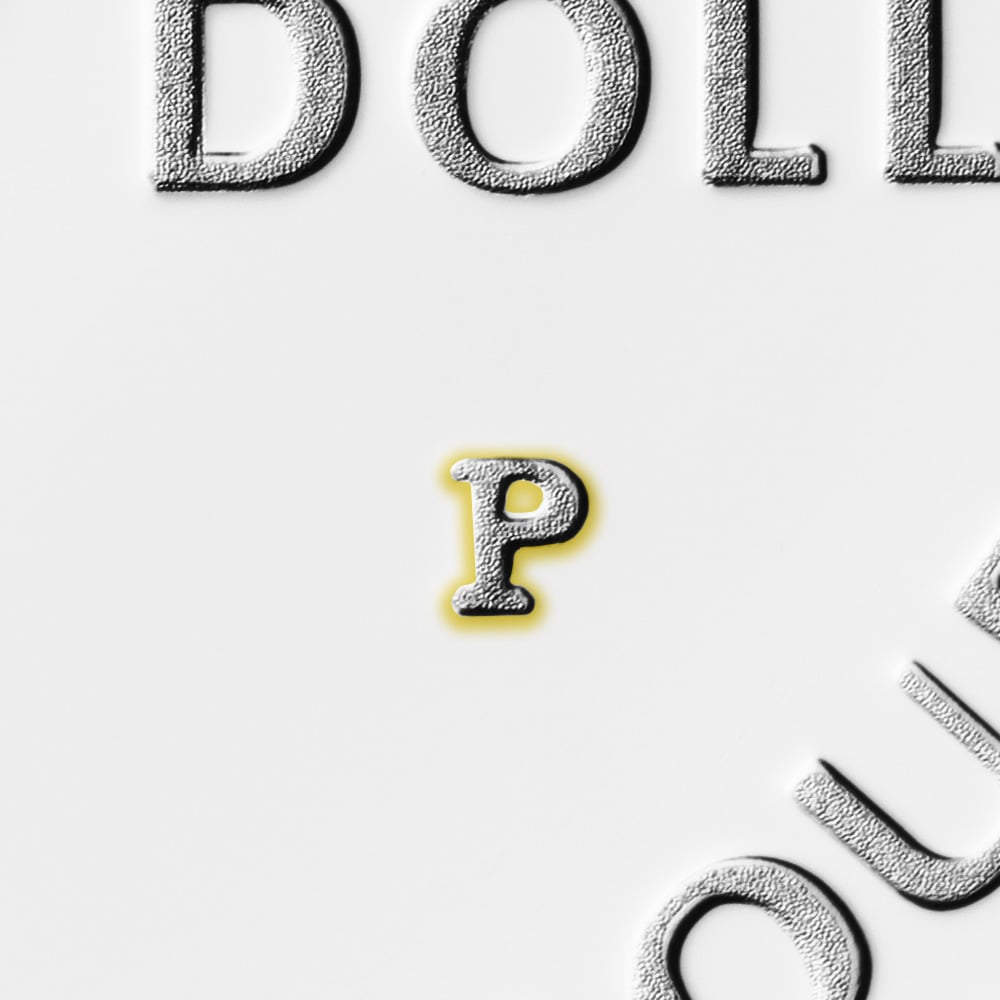
In 1979, the Susan B. Anthony Dollar was introduced. Once again, the “P” mint mark appeared. The following year, the “P” appeared on all of the denominations except the cent, which still holds true today.

Susan B. Anthony Mint Mark

Mint Marks on Medals


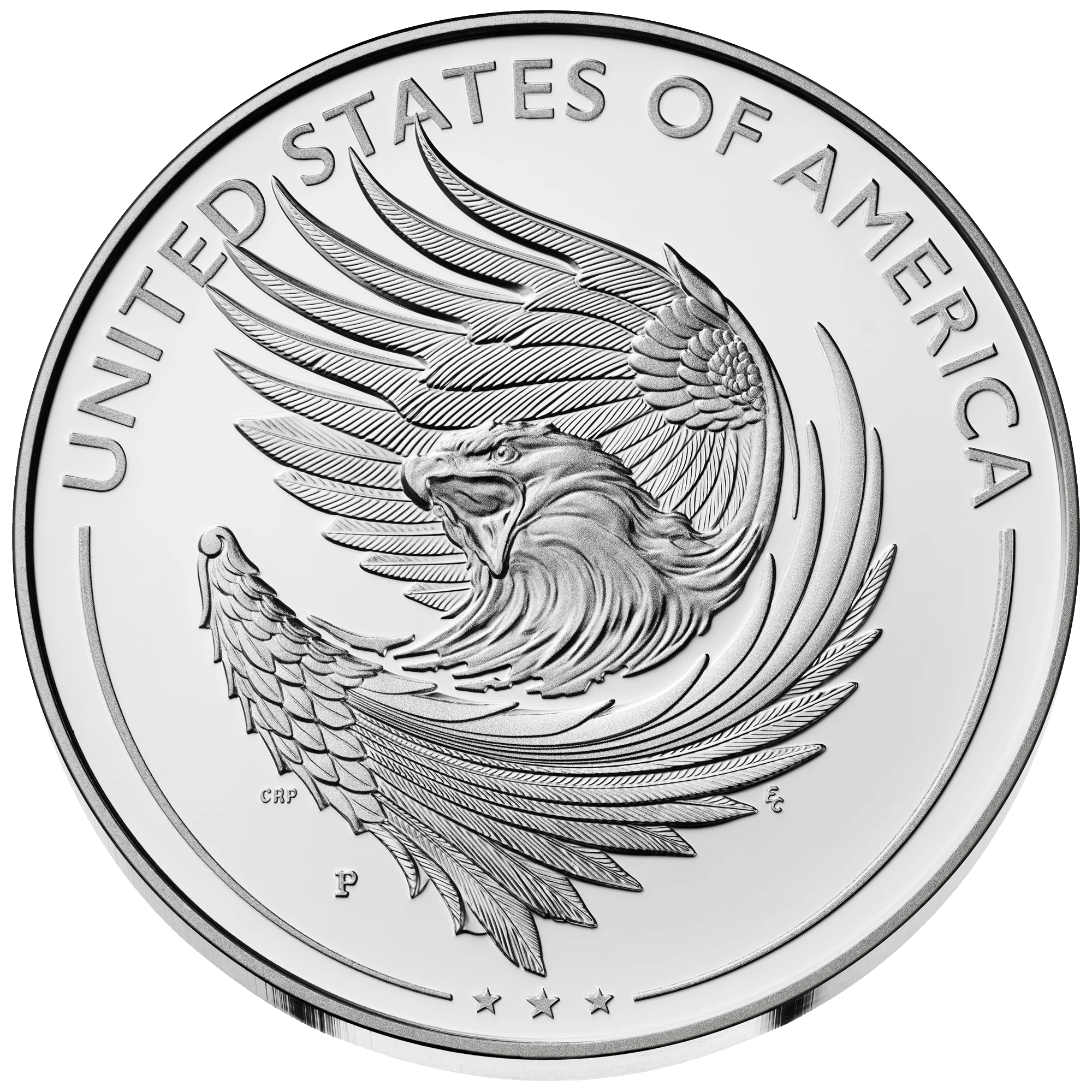
Most medals don’t have mint marks. The Philadelphia Mint makes Congressional Gold Medals and their bronze duplicates, Presidential Medals, and most others. But for certain numismatic silver medals, other Mint facilities may help.

The U.S. Mint sometimes places a mint mark on a medal for marketing purposes. The mark can be on the obverse or reverse side, depending on how it fits into the design.


AE Silver Medal Background

Modern Mint Marks

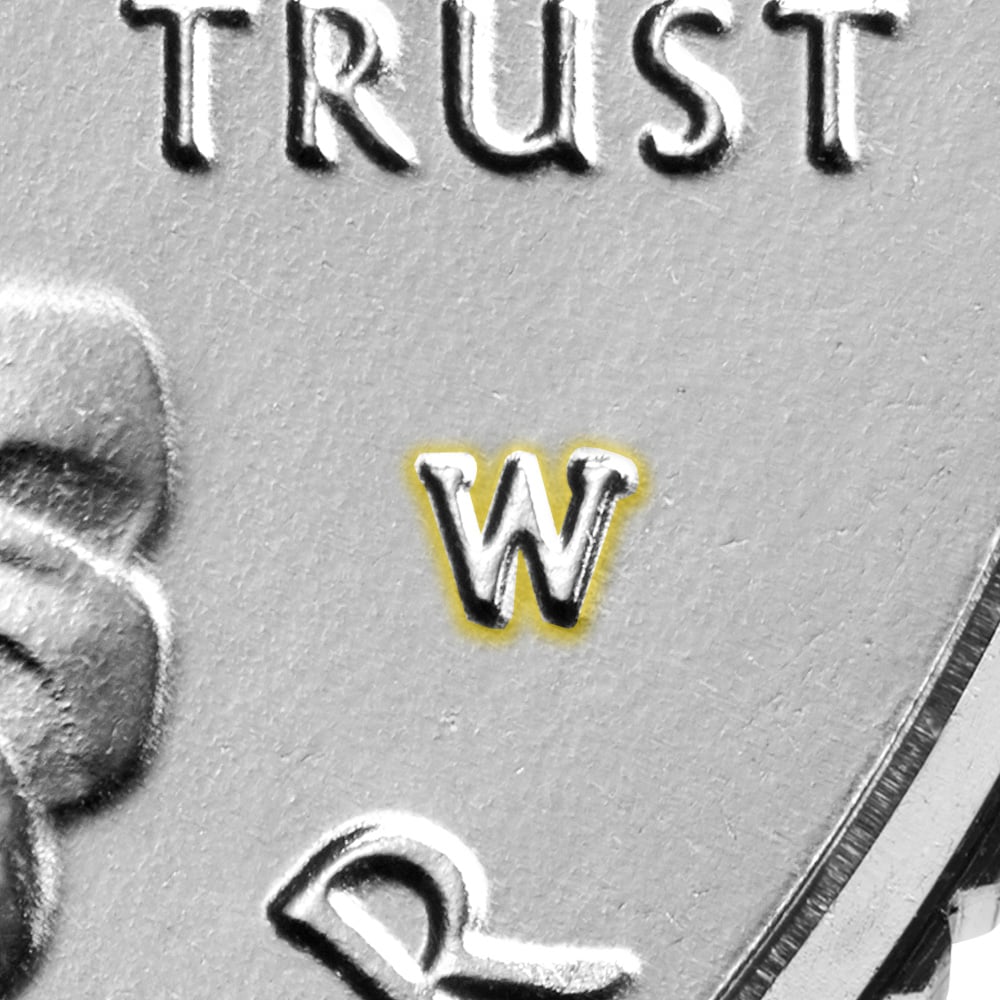
American coinage today primarily uses four mint marks: "S" for San Francisco, "D" for Denver, "P" for Philadelphia, and "W" for West Point. Most circulating coins either have a "P," "D," or no mint mark (which signifies Philadelphia as the production facility).

In 2017, the “P” mint mark appeared for the first time on circulating pennies. This change was only for the 2017 issued cents, in honor of the U.S. Mint’s 225th anniversary.

In 2019, the “W” mint mark appeared for the first time on a circulating coin. West Point produced 10 million quarters for the America the Beautiful Quarters® Program.

Historic Mint Marks

Did you know that the "D" Mint Mark has been around since 1838, but it hasn't always stood for Denver? In 1838, three new production facilities began circulating coinage operatoins. This included one facility each in Charlotte, NC; Dahlonega, GA; and New Orleans, LA. Although all three ceased operations during the Civil War, the New Orleans Mint would resume production for another 30 years, beginning in 1879.

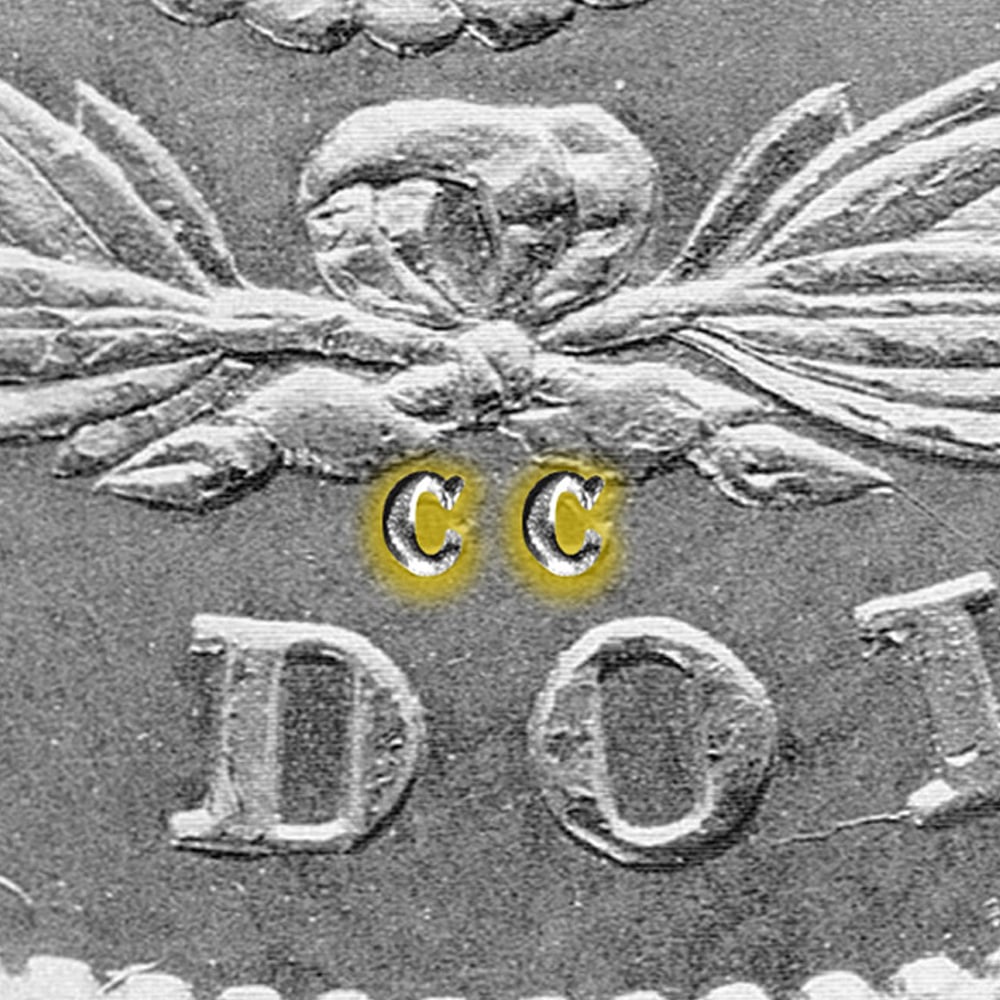
The Carson City Mint was established in Nevada to serve the coinage needs brought about by the Comstock Lode, the largest silver strike in the Nation’s history. Beginning in 1870, Carson City produced circulating coins in gold and silver but eventually ceased production for good in 1893.


San Francisco Fun Facts

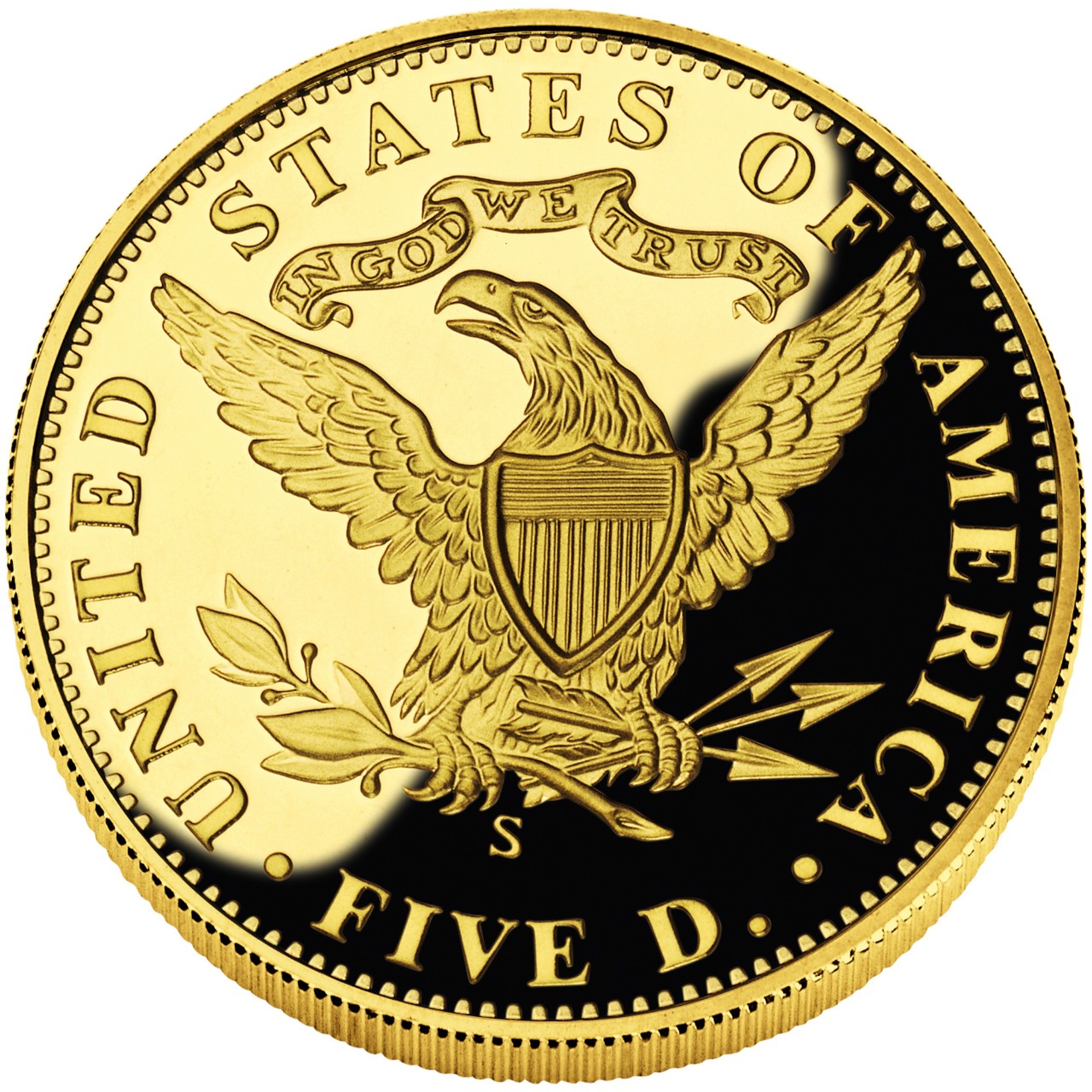
2006 San Francisco Mint Centennial Commemorative Gold Five Dollar Proof Reverse

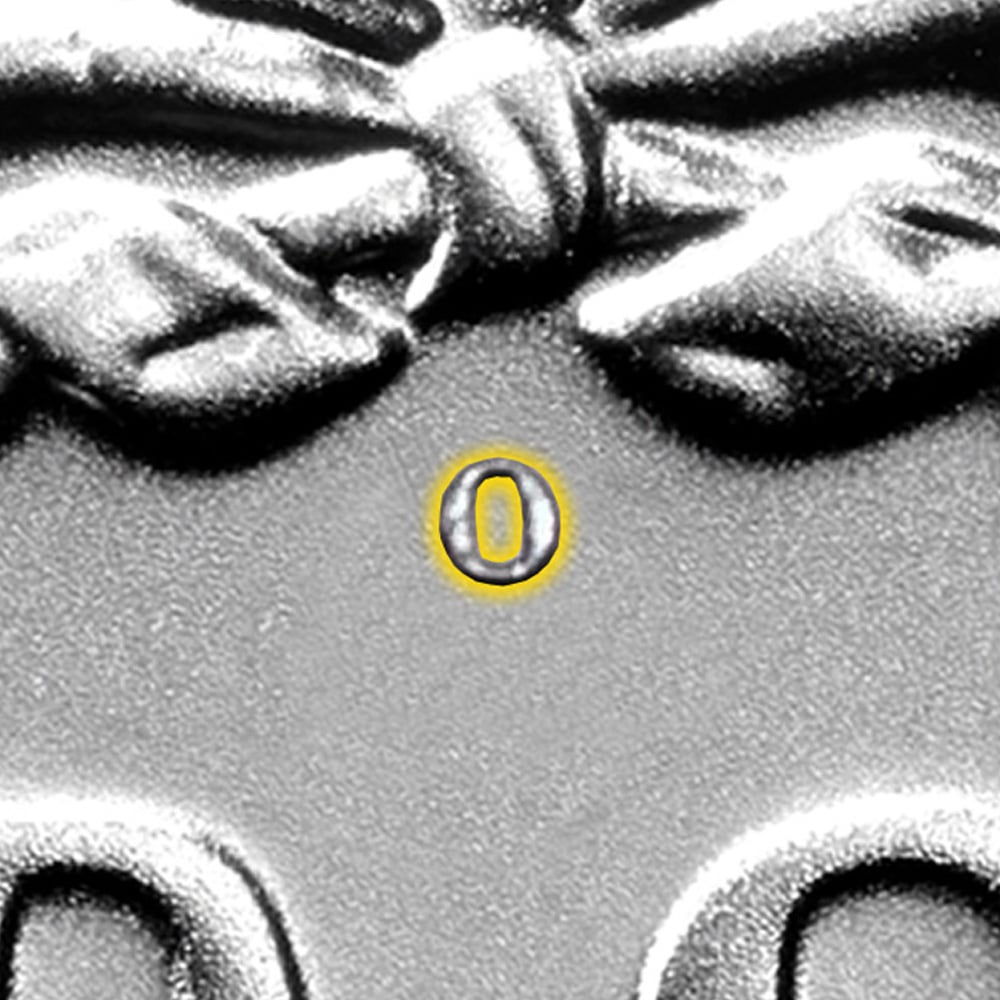
The San Francisco Mint made circulating coins with the “S” mint mark from 1854 to 1955. It later produced “S” nickels from 1968-1970, pennies from 1968-1974, and dollars from 1979-1981. In 1968, proof coin production moved from the Philadelphia Mint to San Francisco, and proof coins gained the “S” mint mark.


The San Francisco Mint also produced circulating pennies in the 1970s and 1980s thats did not have mint marks, so that they couldn’t be distinguished from Philadelphia coins.

2006 San Francisco Mint Centennial Commemorative Gold Five Dollar Proof Reverse