Countdown to America's 250th Anniversary
 Mint Marks
Mint marks are letters that identify where a coin was made. In the past, they held the maker responsible for the quality of a coin. When the U.S. used precious metals such as gold and silver to make circulating coins, a commission evaluated the composition and quality of coins from each of the Mint facilities. These evaluations ensured that each facility produced coins to the correct specifications.

After the war, when use of the regular alloy resumed, mint marks returned to their former positions, and the Mint no longer used Philadelphia’s “P.”


Modern Mint Marks
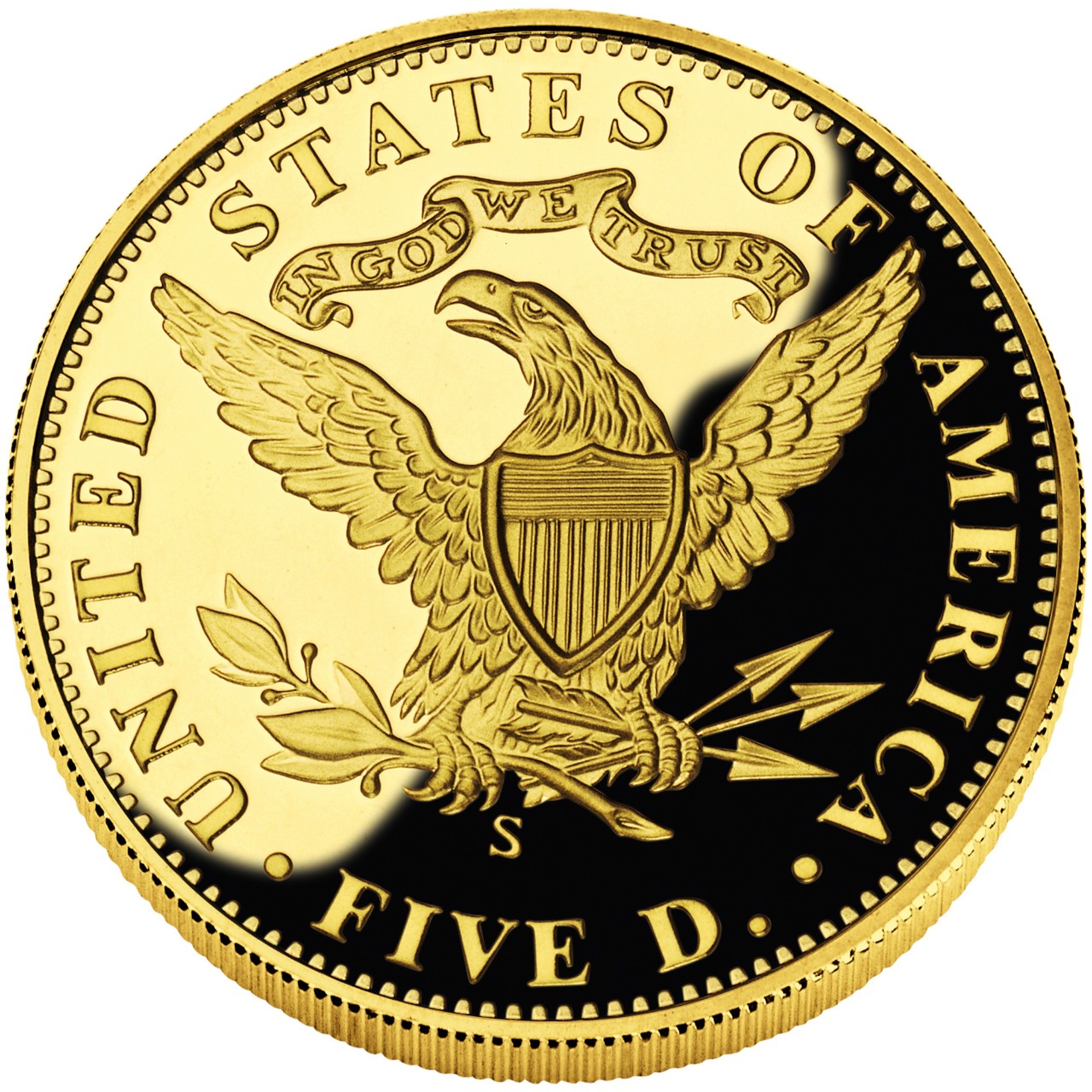
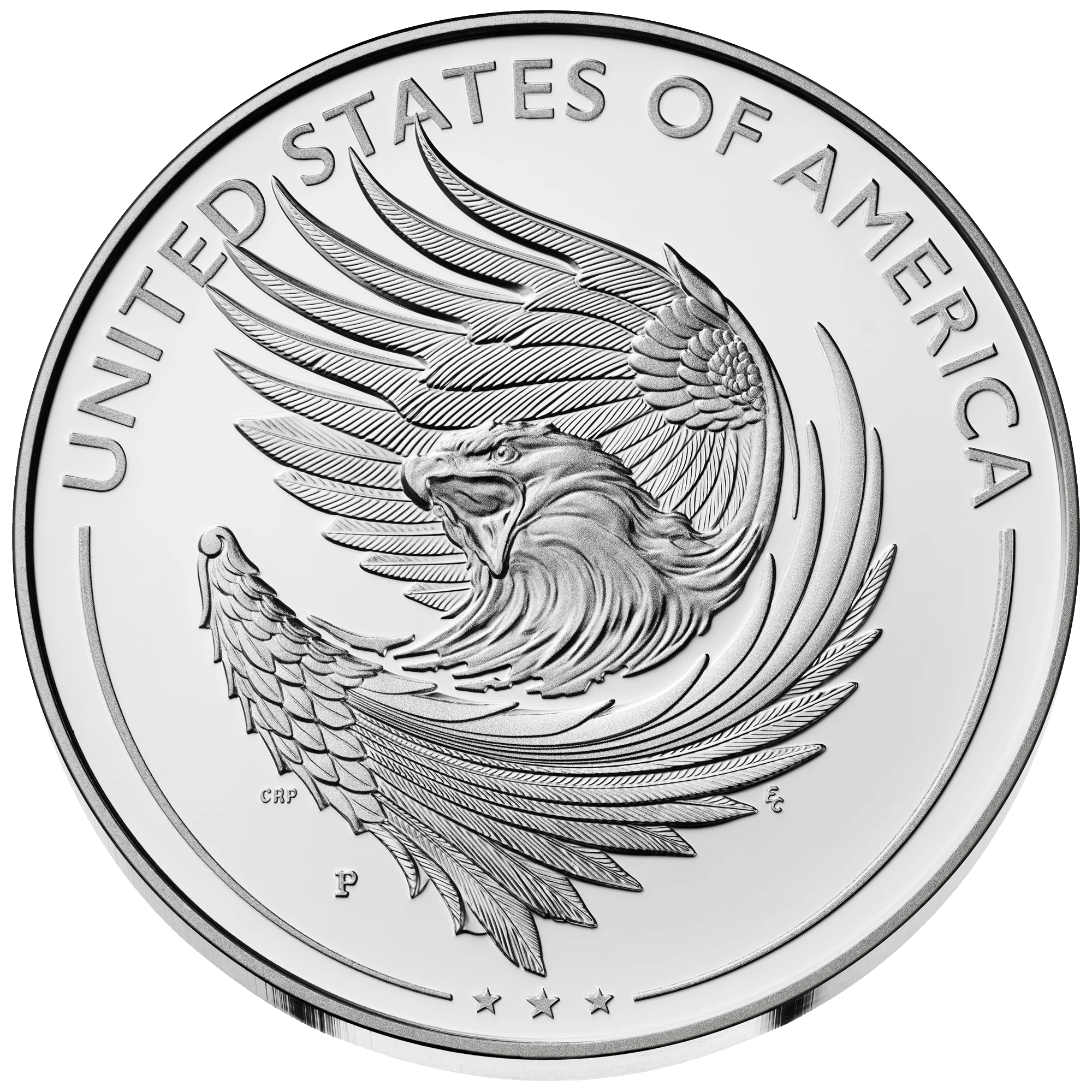
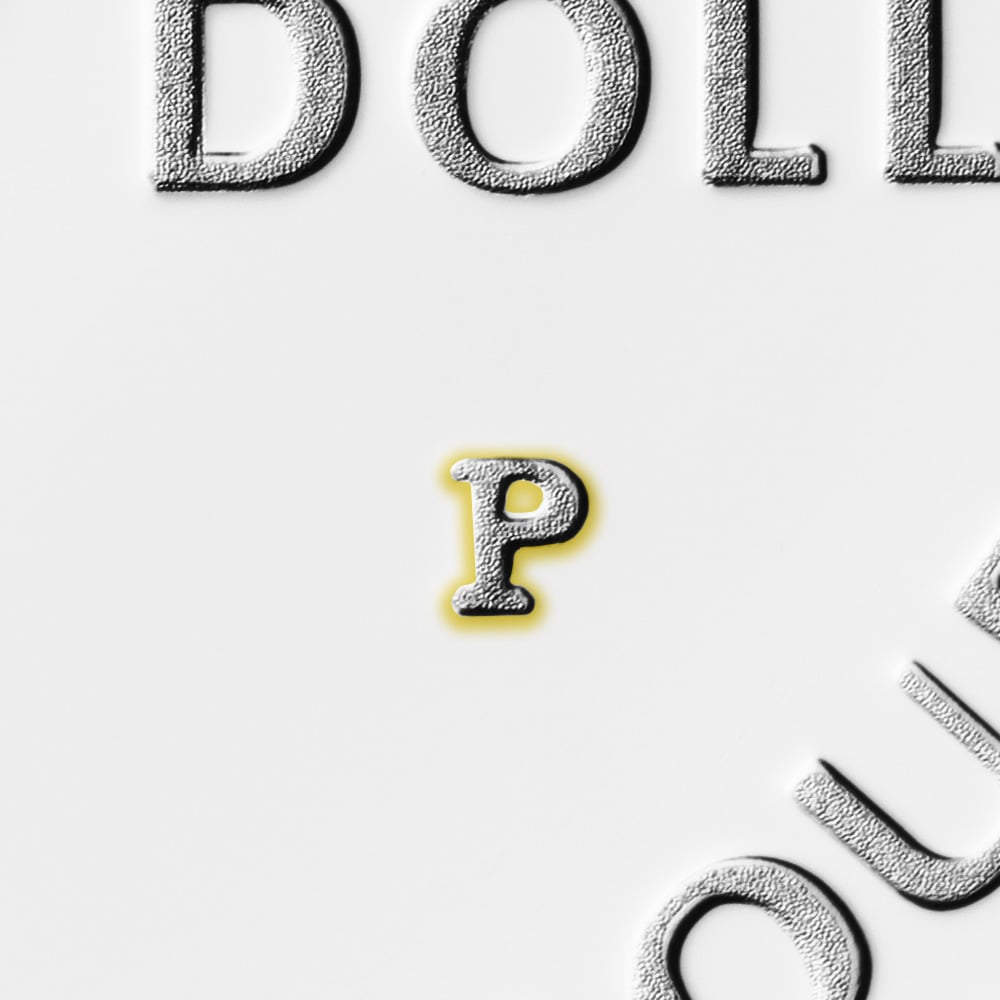
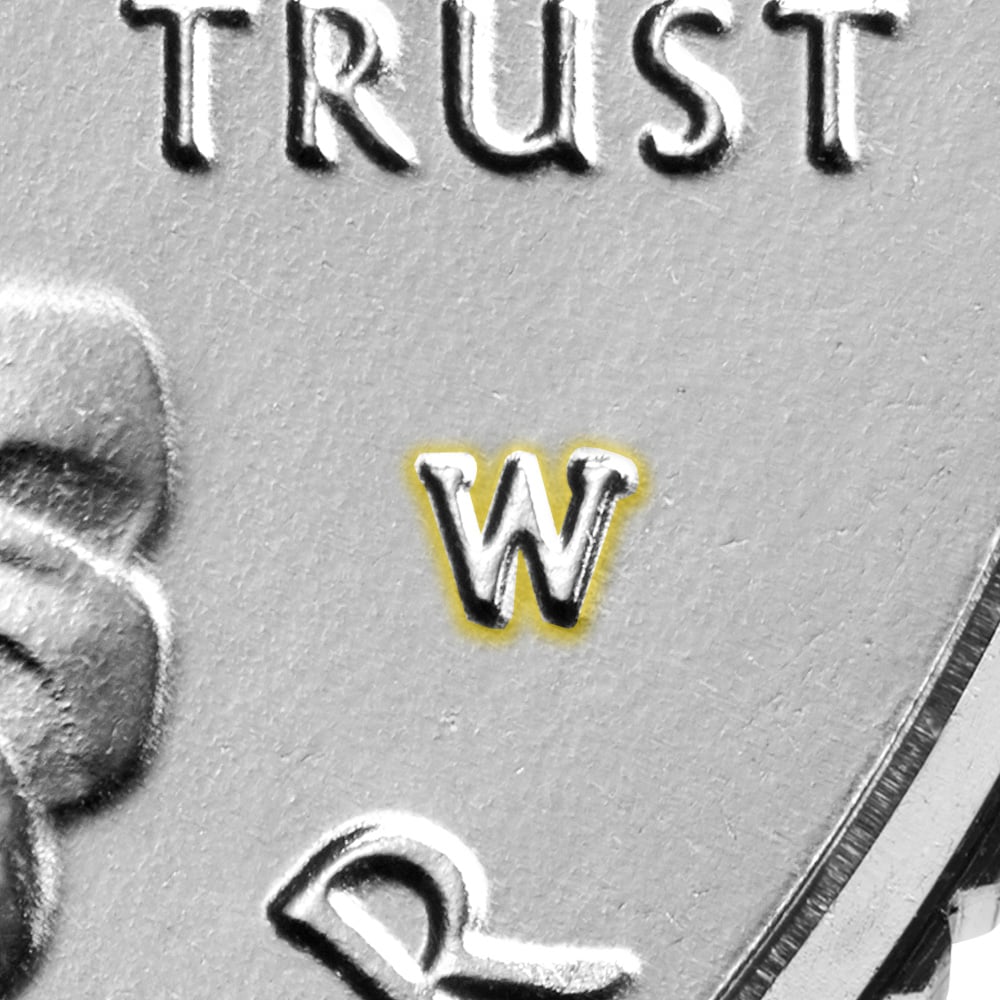
American coinage today primarily uses four mint marks: "S" for San Francisco, "D" for Denver, "P" for Philadelphia, and "W" for West Point. Most circulating coins either have a "P," "D," or no mint mark (which signifies Philadelphia as the production facility).
In 2017, the “P” mint mark appeared for the first time on circulating pennies. This change was only for the 2017 issued cents, in honor of the U.S. Mint’s 225th anniversary.
In 2019, the “W” mint mark appeared for the first time on a circulating coin. West Point produced 10 million quarters for the America the Beautiful Quarters® Program.


Historic Mint Marks
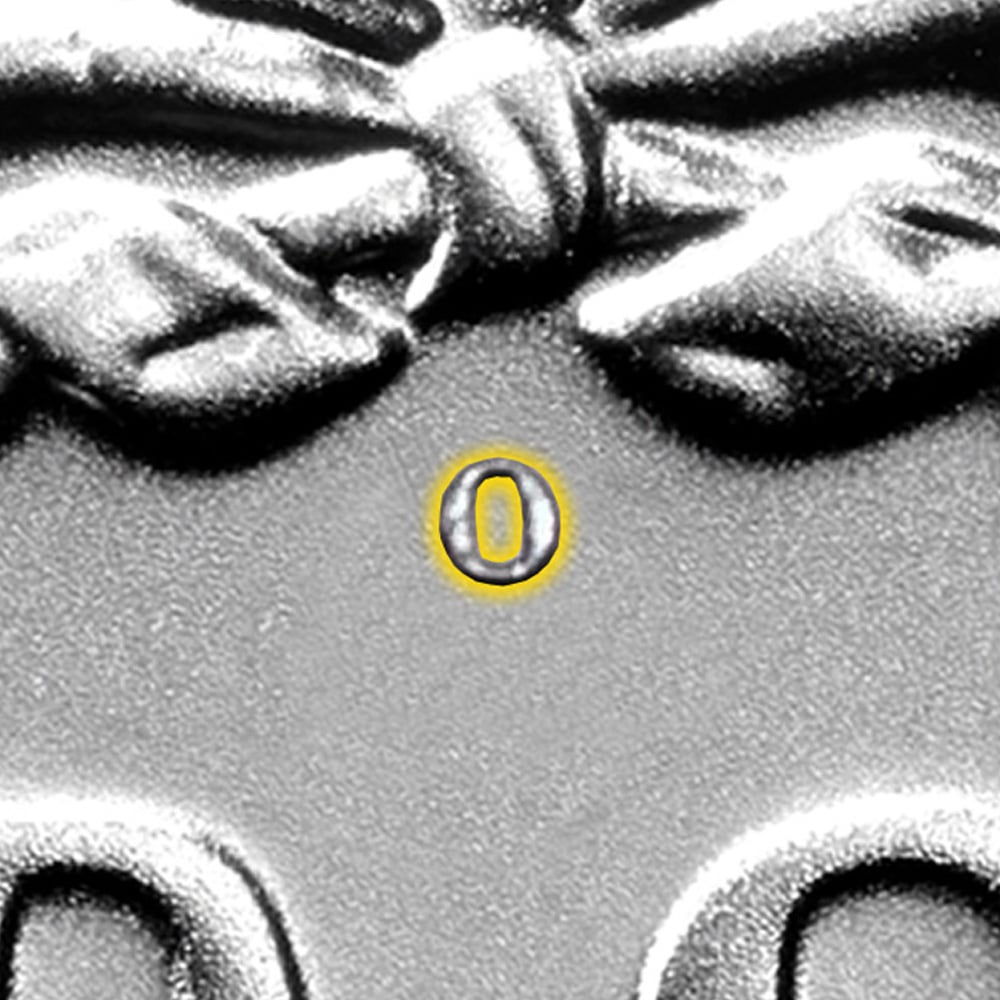
Did you know that the "D" Mint Mark has been around since 1838, but it hasn't always stood for Denver? In 1838, three new production facilities began circulating coinage operatoins. This included one facility each in Charlotte, NC; Dahlonega, GA; and New Orleans, LA. Although all three ceased operations during the Civil War, the New Orleans Mint would resume production for another 30 years, beginning in 1879.
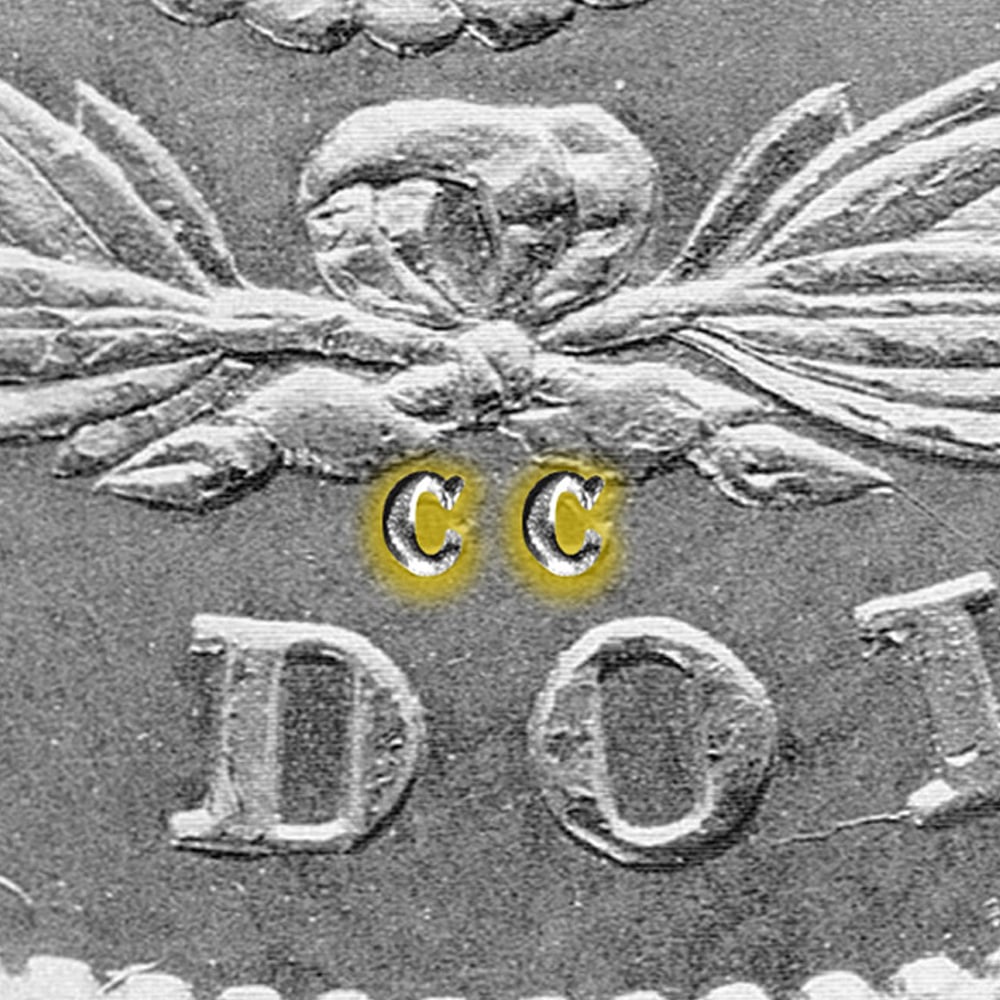
The Carson City Mint was established in Nevada to serve the coinage needs brought about by the Comstock Lode, the largest silver strike in the Nation’s history. Beginning in 1870, Carson City produced circulating coins in gold and silver but eventually ceased production for good in 1893.