icon-dot-gov icon-https Locked padlock icon
USA Flag
An official website of the United States government. Close/span>

Coins Online - May 2026


Guess Who's Back!

2026 Enduring Liberty Half Dollar

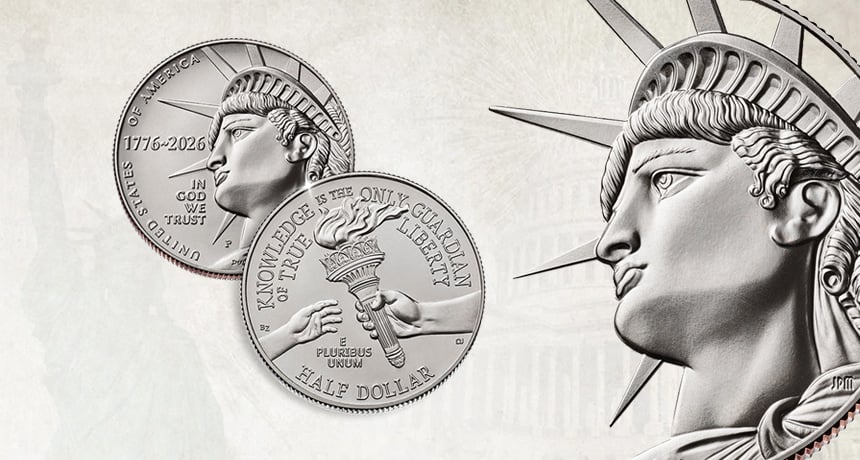
Guess who's back. It's Liberty on the Half Dollar! This year, for the first time since 1947, Lady Liberty is featured on a circulating coin.

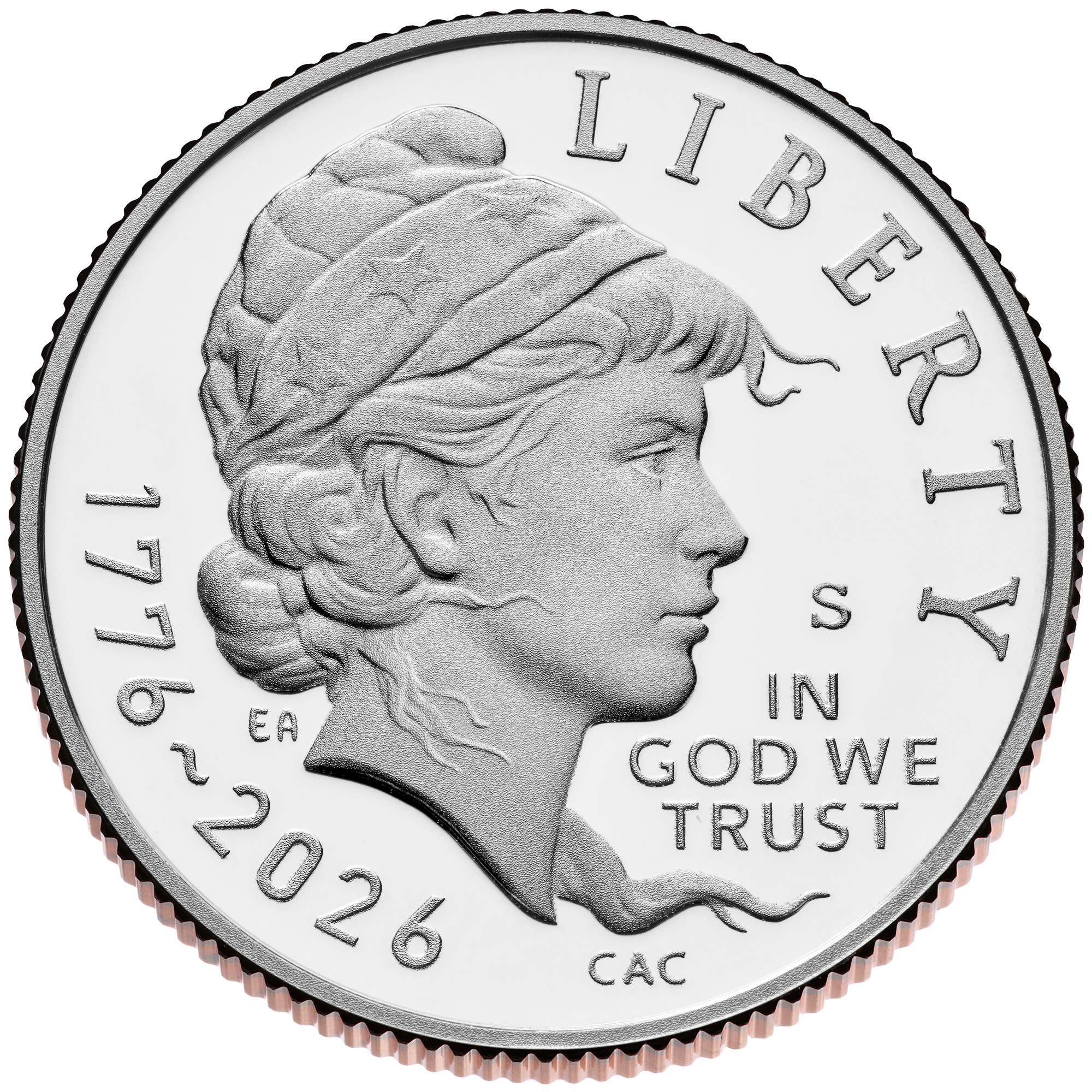
The obverse design shows a close-up view of the Statue of Liberty, her steadfast gaze looking outward as if toward the future. The inscriptions are “UNITED STATES OF AMERICA,” “IN GOD WE TRUST,” and “1776 ~ 2026.”

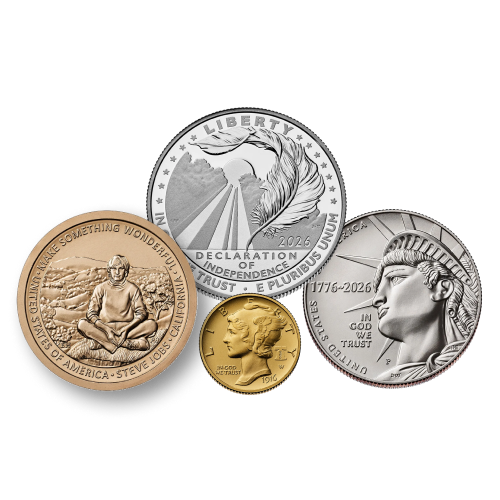
The reverse design features Liberty passing her torch, its flame trailing with the momentum of purpose, to a new generation. Inscriptions are “E PLURIBUS UNUM,” “HALF DOLLAR,” and “KNOWLEDGE IS THE ONLY GUARDIAN OF TRUE LIBERTY.”

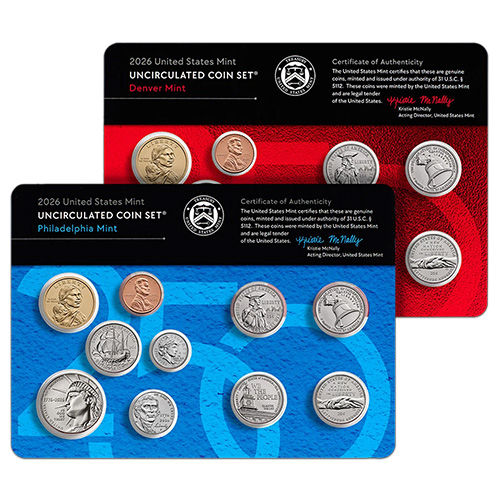
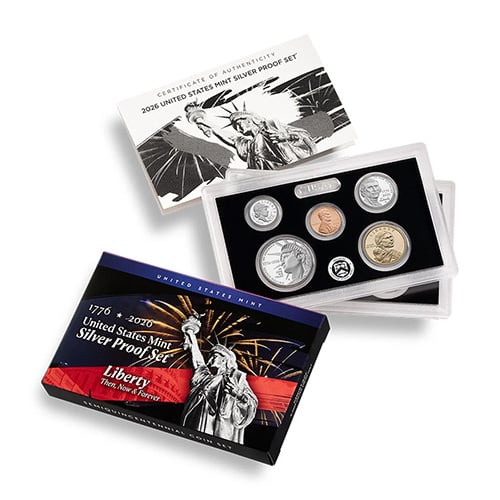
Look for the Enduring Liberty Half Dollar in your change or in the products below. Liberty will also be included in the 2026 Proof Set, launching later this year.

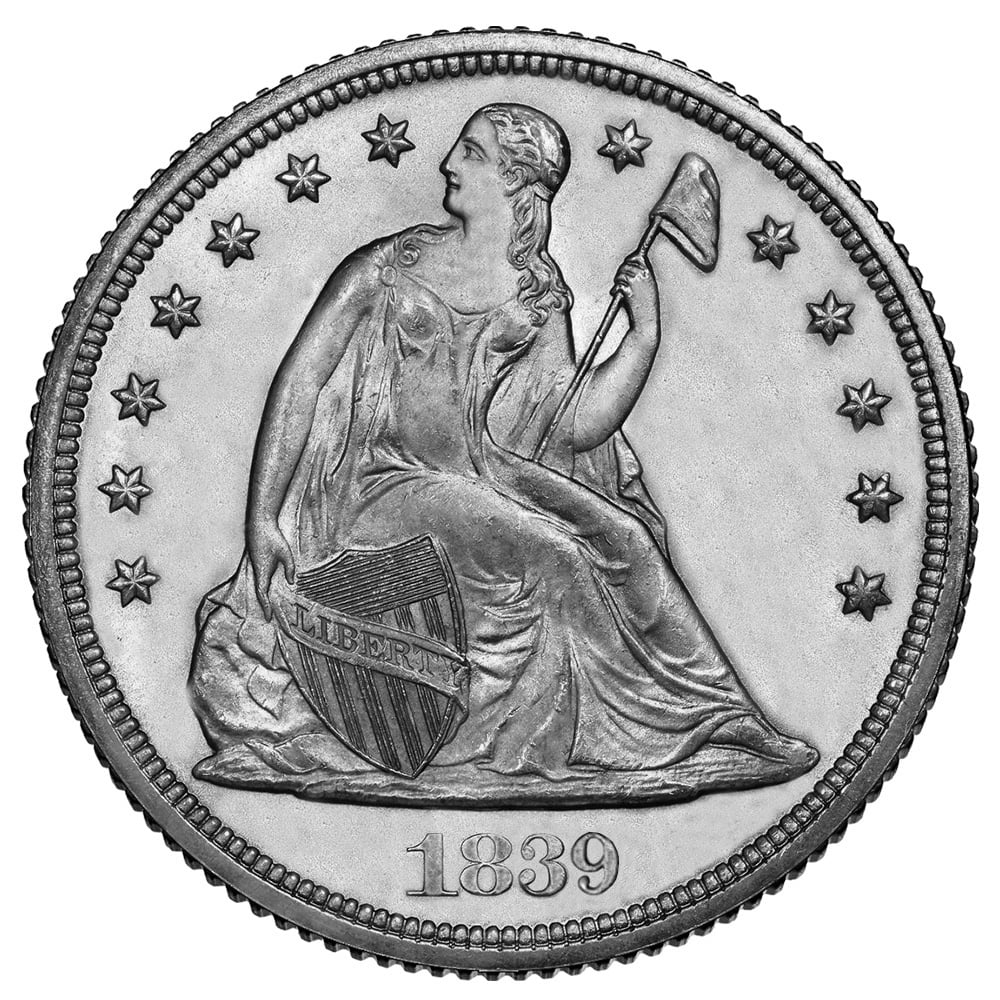
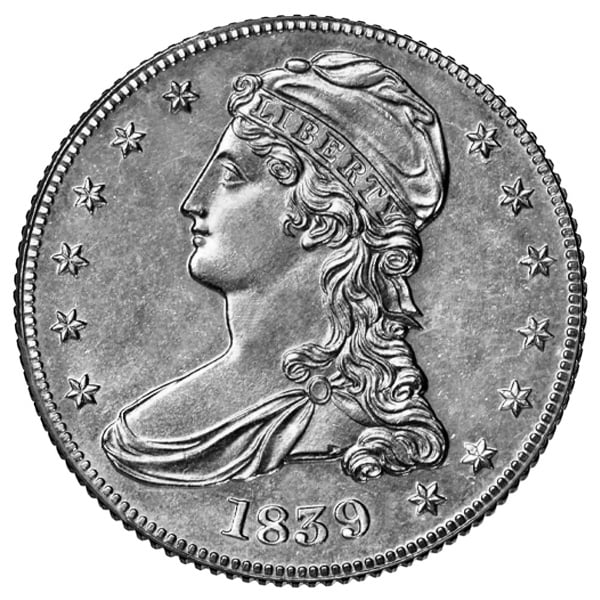
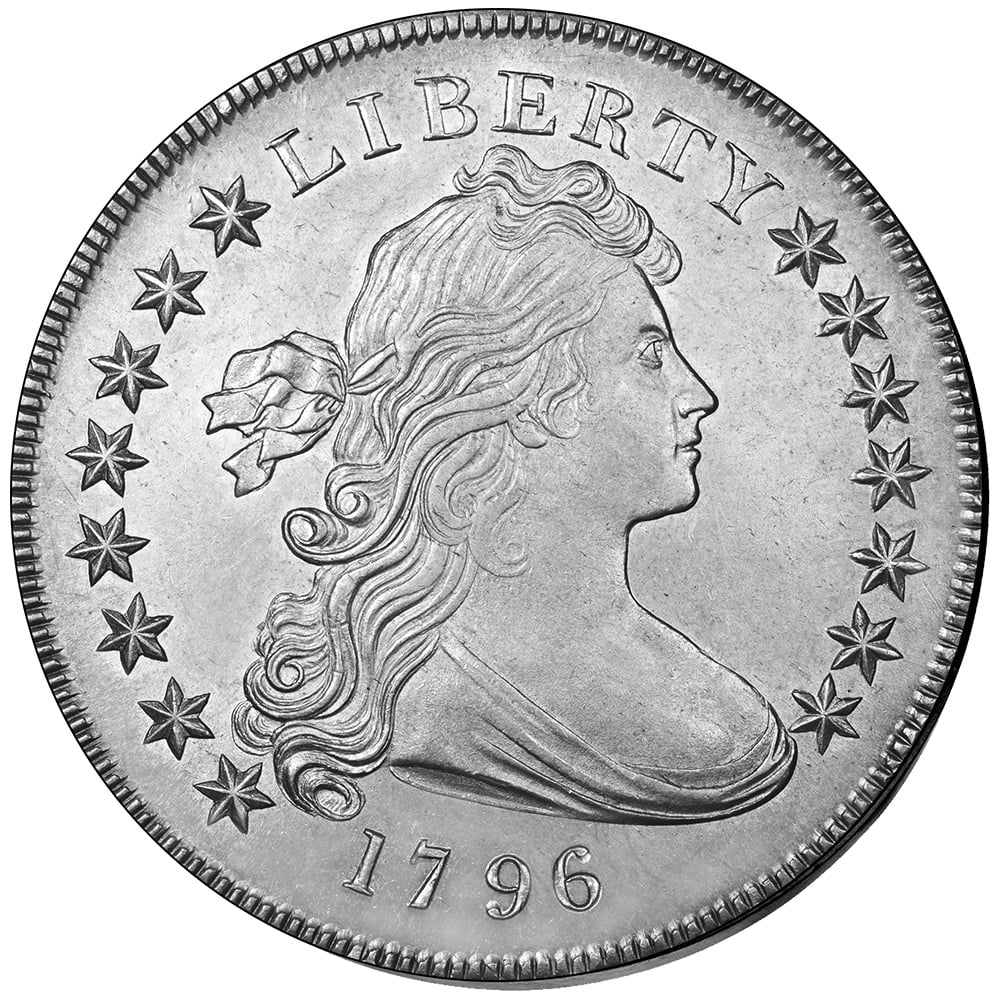
Did you know? Including Enduring Liberty, there have been seven unique Liberties on the half dollar since its debut in 1794. Below are all the obverses for the 50-cent piece.


How the Mint Mints the Money

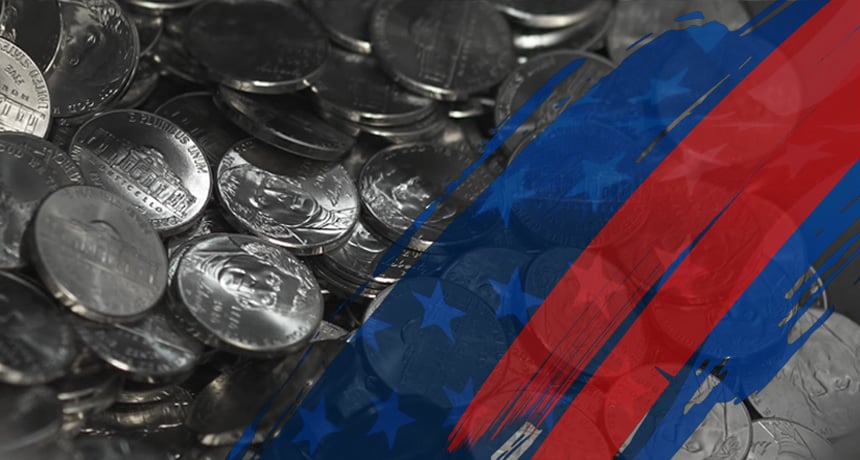
Pile of 2026 Nickels

Have you ever wondered how we make America's money? For 234 years, the United States Mint has been helping the economy churn. But how exactly does the Mint mint all those memorable medals and metal discs we call coins?

Let's take a look.

Once the Secretary of the Treasury approves a design, Mint medallic artists transform a line drawing into a three-dimensional sculpt. After the sculpt is finalized and digitized, the Mint makes coin dies that stamp the design onto the coins.

The process of minting coins can be broken into six general steps:

Blanks are flat metal discs that will eventually become coins. The Mint makes blanks for nickels, dimes, quarters, half dollars, and dollar coins. For collectible pennies, numismatic coins, and bullion coins, the Mint buys blanks.

To make blanks, the Mint buys coils of metal 1,500 feet long made to the correct specifications of each denomination. The coil is first fed through a machine that straightens the metal and then into a blanking press.

The blanking press punches out the blanks like a cookie cutter at a rate of 14,000 blanks per minute. They have a slightly different diameter, but the same thickness, as a finished coin. The blanks move to the annealing furnance while the scrap metal from the coil, called webbing, is shredded and recycled.

Blanks are annealed to prepare them for striking. Annealing changes the physical properties of the metal to make it softer and allow it to be shaped without breaking. The annealed blanks will hold the design better during striking.

The annealing furnace heats the blanks to temperatures up to 1,600 degrees Fahrenheit in an oxygen-free environment. The lack of oxygen prevents tarnishing. They are then dropped into a quench tank filled with “slippery” water to quickly lower the temperature. The mix of water, citric acid powder, and lubricants keep the blanks from sticking together.

Next, a machine lifts the blanks out of the quench tank to drain. The Philadelphia Mint uses a cylindrical machine called a whirlaway that slowly turns as it lifts the blanks from the water. The Denver Mint uses a large scoop called a skip basket. The blanks travel from the quench tank to the washing area.

The blanks are washed to restore their original color. The cleaning solution is a mix of cleaning and anti-tarnish agents. A dryen then steam dries the cleaned blanks before they move to the upsetting mill.

Upsetting means to “upset” the edge of a coin to create a raised rim. The upsetting mill feeds the blanks into a groove slightly narrower than its diameter. This pushes the metal up around the edge to form a rim. The rim protects the final coin from wear and makes it stackable.

A blank with a rim is called a planchet. Some people continue to use ‘blank’ as a general term for a coin before it’s struck.

Most of the blanks the Mint buys are planchets ready for striking. When the Mint receives a shipment of planchets, inspectors check them to ensure they meet the required specifications. After that, penny planchets go directly to the presses for striking.

Special proof and uncirculated planchets go through a cleaning process called burnishing.


They are placed in a drum with cleaning agents and small metal pellets to smooth and polish the surface. An employee then rinses the planchets and hand-dries them with towels.

The planchets travel to the coin presses for striking the design. The Mint has several different kinds of presses, but they all work the same way. The press forces the obverse and reverse dies together against the planchet to strike both sides of the coin at once. Circulating coin presses use from 35 to 100 metric tons of pressure to strike the coins, depending on the denomination. Other presses strike with up to 540 tons of force, the pressure used to create the America the Beautiful Five Ounce Silver Coins.

When the dies come together, the planchet metal flows into the shape of the design. A collar placed around the planchet prevents the metal from expanding too much. It also forms the edge design, whether smooth, reeded, or lettered. Dollars receive a smooth edge from the collar, but then go through an additional machine that rolls the lettering onto the edge. Once the planchet receives the design, it becomes a coin.

A circulating coin press strikes 750 coins per minute. The Philadelphia Mint produces 47,250 coins per minute if all of its 63 presses are operational.


The Denver Mint makes 40,500 coins per minute with its 54 coin presses. That results in millions of circulating coins each day.

Coins are struck differently depending on their finish. Circulating, uncirculated, and bullion coins are struck once. Proof coins are struck at least twice. The circulating coin presses strike coins faster than the presses used for uncirculated, proof, and bullion coins.

Once the press strikes the coins, they drop into either a bin or a tray. An inspector examines samples for errors. If they pass inspection, they move to packaging. If circulating coins don’t meet certain standards, the batch goes to a machine called a waffler. The waffler bends the coins to form wavy lines before they’re sent for recycling.

After they pass inspection, circulating coins are counted and weighed. The coins fall through a counting machine before they are dumped into bulk storage bags.

All the bags are weighed and then stored until they travel to Federal Reserve Banks for distribution around the country.

Robots and automated machines package numismatic coins into blister packs, lenses, and other packaging for sale to the public. The Philadelphia and Denver Mint facilities also package some coins by hand. Bullion coins are packaged in 500-coin monster boxes to ship to authorized dealers.

So, what happens once the coins are made? How do they get to the American public? That's a story for another time. But you read more about coin distribution in this Inside the Mint article.


California Coin Trivia

Mint Trivia

California, here we come! In honor of California's new American Innovation $1 Coin, this month's Mint Trivia focuses on coins that were either made in the Golden State or honor the state's legacy. Are you groovy enough to pass our quiz?


1. The newest American Innovation $1 Coin honors innovator Steve Jobs from California. Artist Elana Hagler designed the coin's reverse as well as the obverse for what other dollar coin?

A) 2026 American Innovation $1 Coin - Wisconsin

B) 2020 George H.W. Bush Presidential $1 Coin

C) 1804 Silver Dollar Coin

D) 2025 Peace Silver Dollar

2. Which coin was NOT produced at the San Francisco Mint?

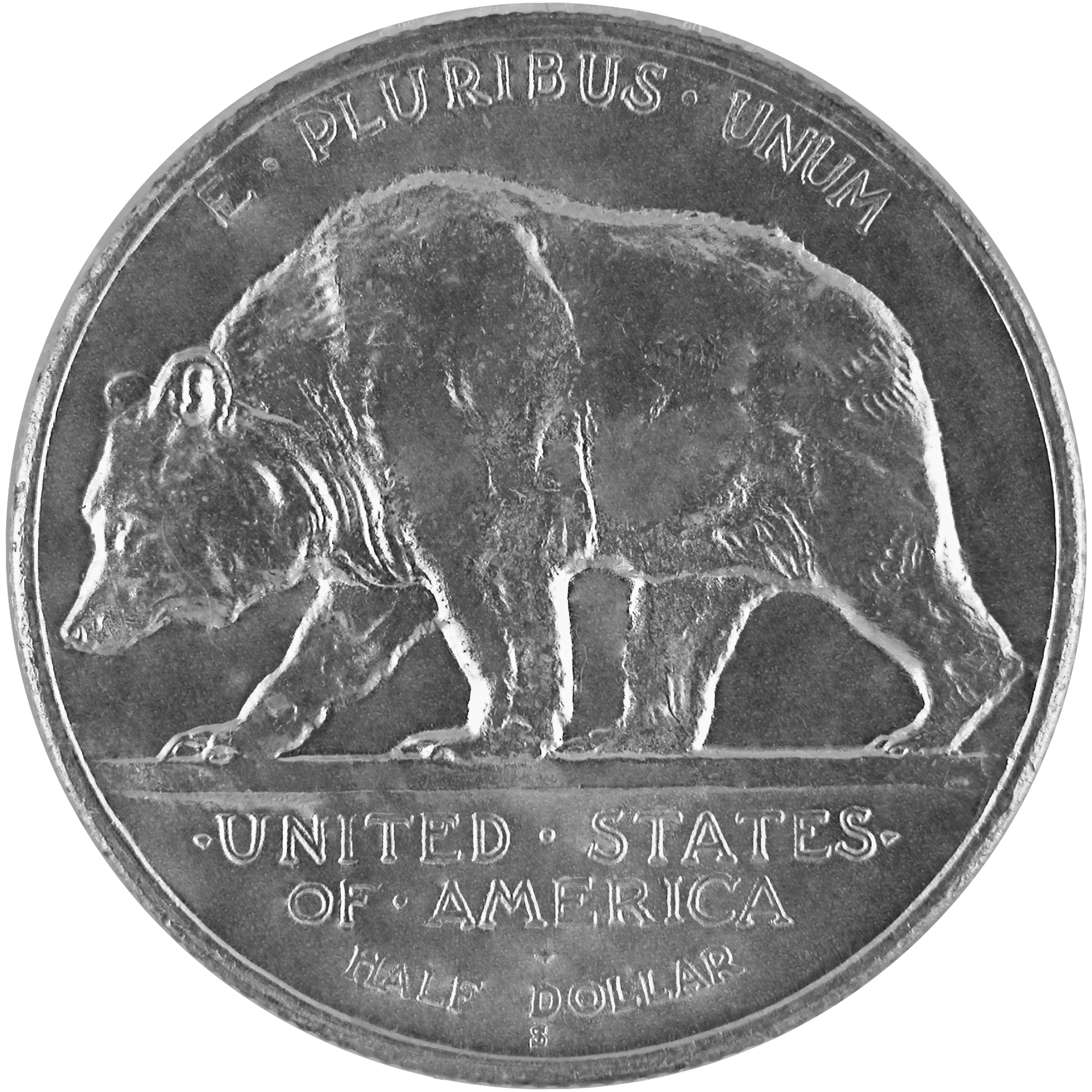
A) 1925 California Diamond Jubilee Half Dollar

B) 2006 San Francisco Old Mint $5 Gold Coin

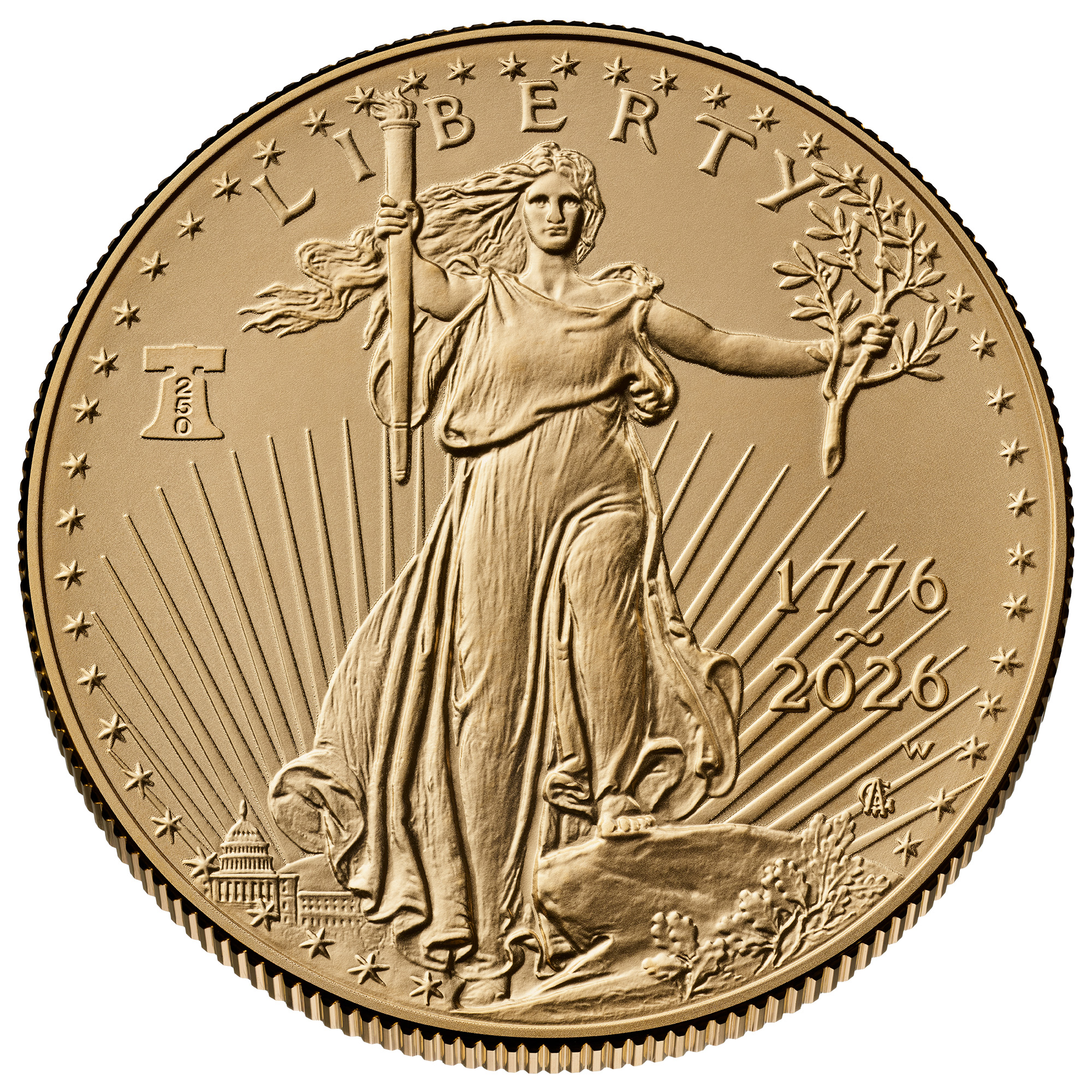
C) 2026 American Eagle Gold Enhanced Uncirculated Coin

D) 2026 Emerging Liberty Silver Proof Dime

3. Which famous movie star presided over the launch of the California State Quarter?

A) Denzel Washington

B) Dwayne "The Rock" Johnson

C) Chuck Norris

D) Arnold Schwarzenegger


B) 2020 George H.W. Bush Presidential $1 Coin

Elena Hagler designed the obverse for the George H.W. Bush Presiential $1 Coin, the last coin in the series, which was released in 2020.


C) 2026 American Eagle Gold Enhanced Uncirculated Coin

The California Diamond Jubilee Half Dollar, San Francisco Old Mint Commemorative Coins, and Emerging Liberty Silver Proof Dime were all made by the San Francisco Mint. The 2026 American Eagle Gold Enhanced Uncirculated Coin was produced in West Point.


D) Arnold Schwarzenegger

Governor Arnold Schwarzenegger and First Lady Maria Shriver helped launch the California Quarter, part of the 50 State Quarters Program, on January 31, 2005. 

Latest Products

Check out the latest and greatest products available from the United States Mint, exclusively on our website.