In the world of coin finishes, there's rarely any news. Every collector knows uncirculated and proof. Most can probably spot proof's doppelgänger—the dark and mysterious reverse proof. But a diamond finish? Now, that is new.
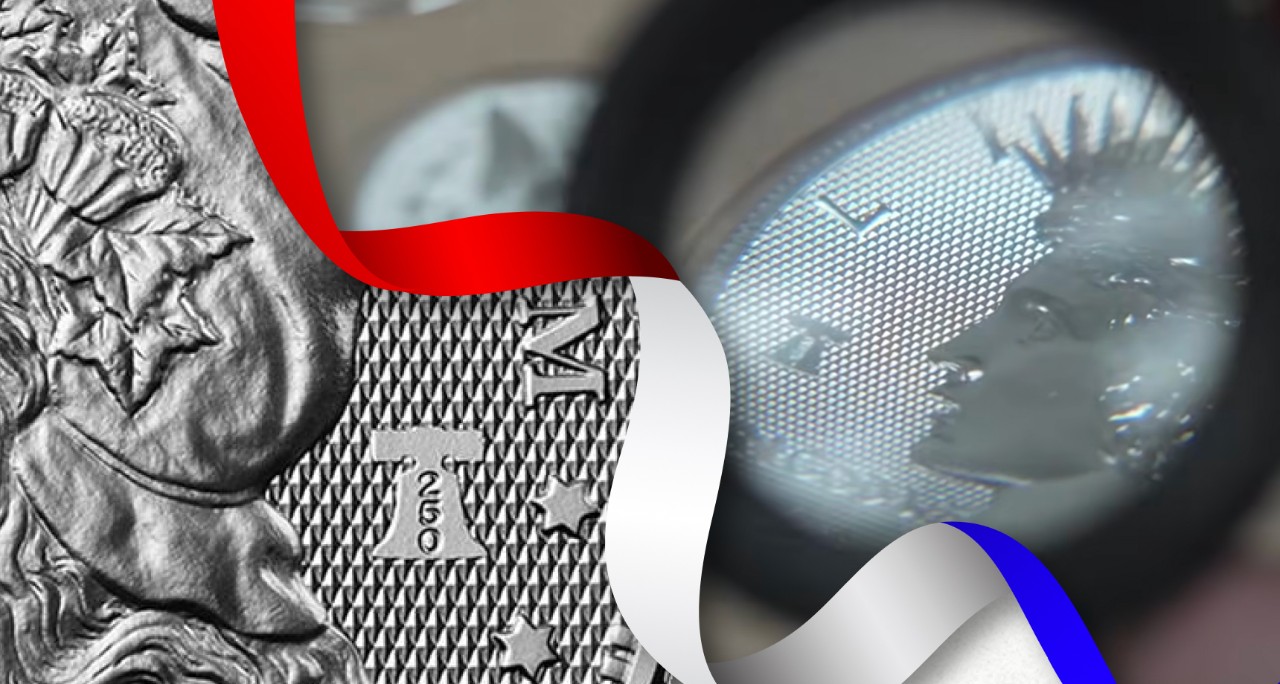
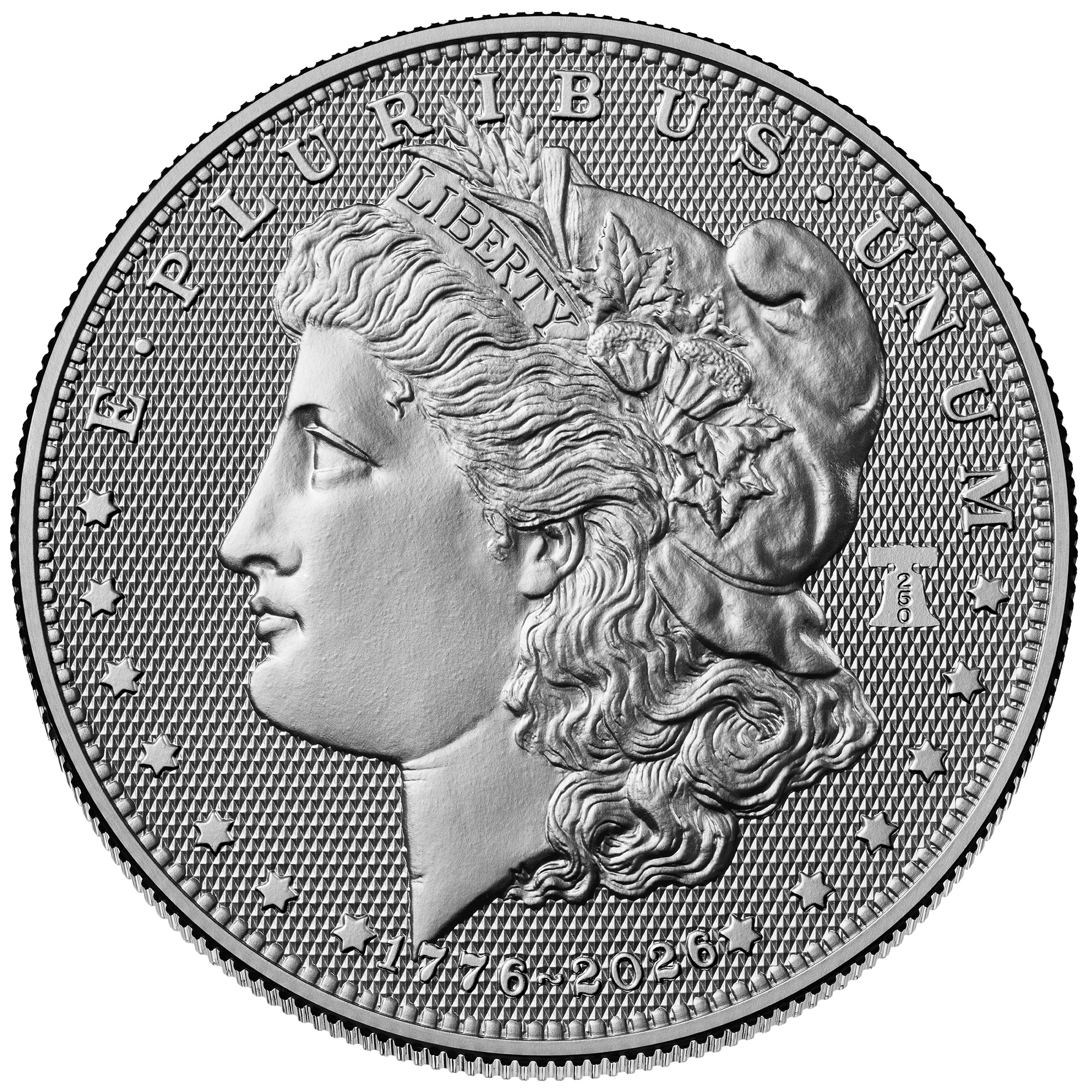
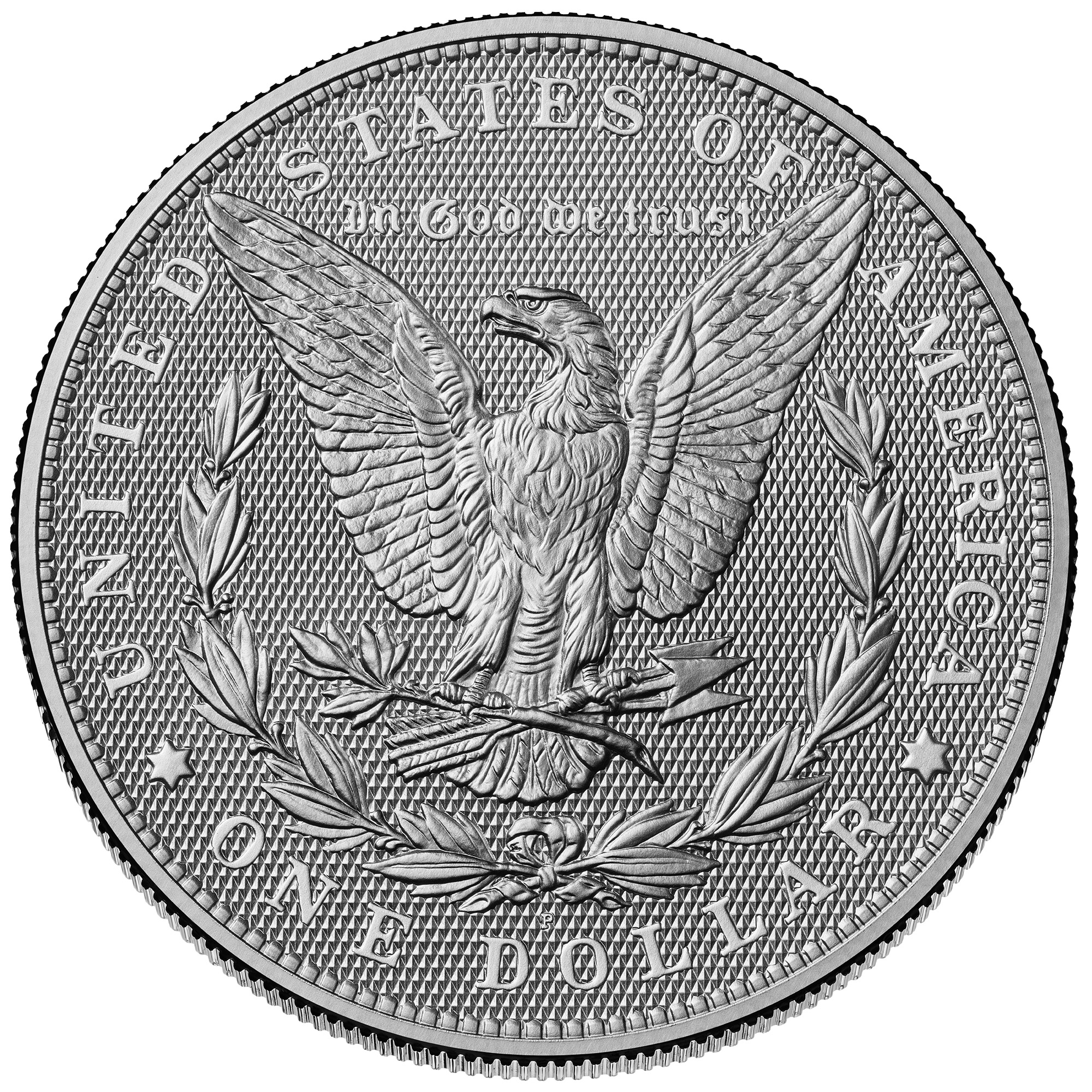
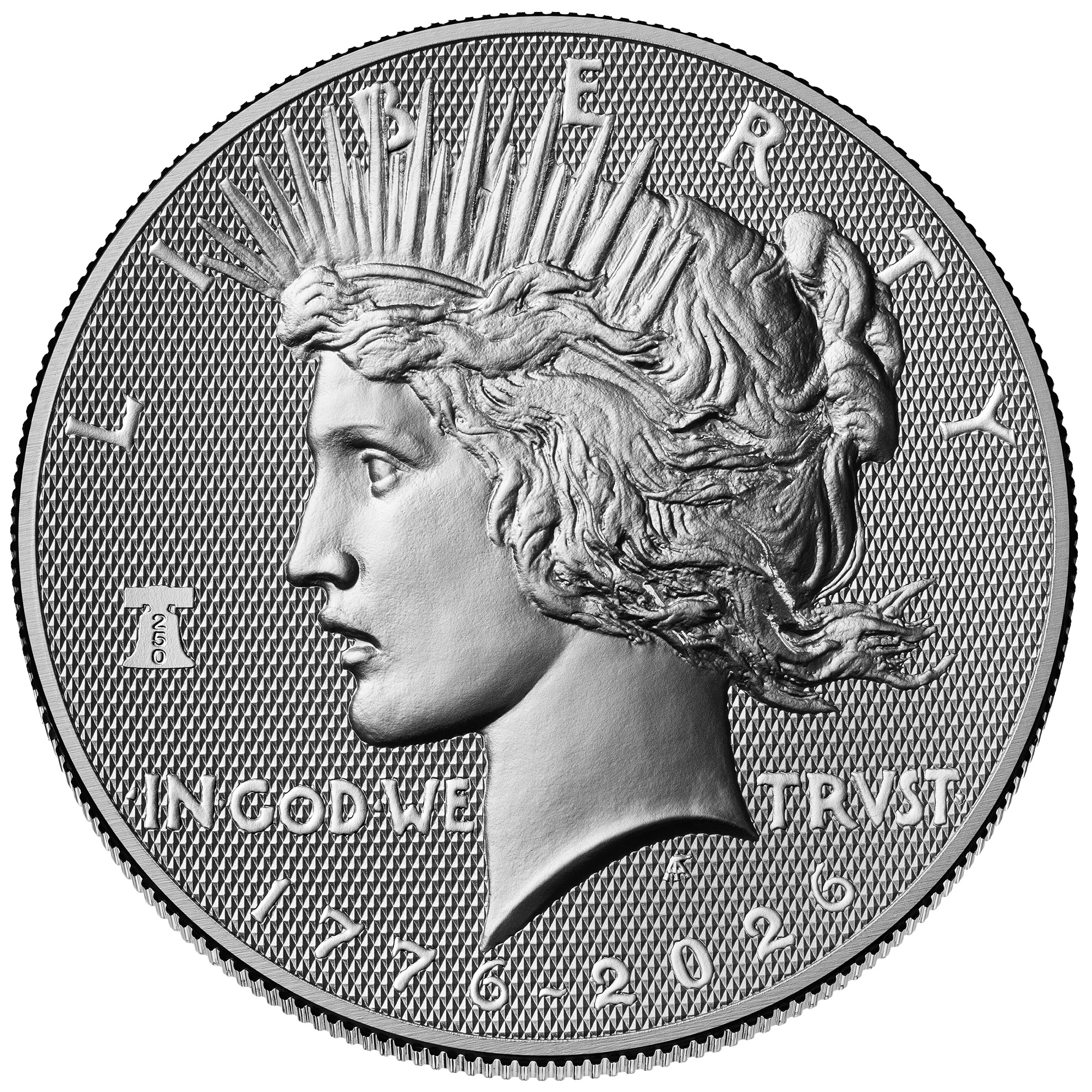
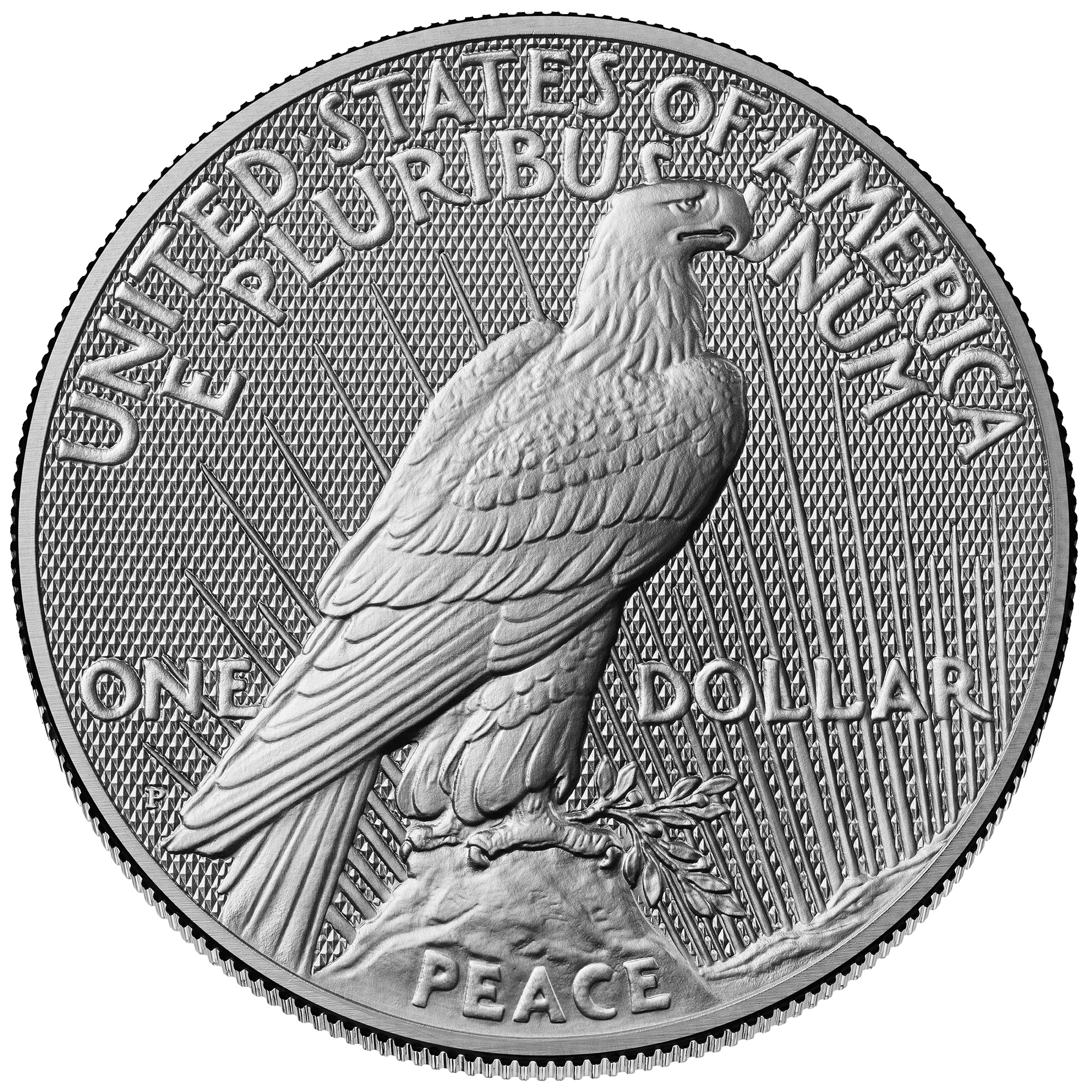
For the Nation's 250th birthday, the Mint thought it deserved a finish equal to the occasion—one that has never appeared on a United States coin before. Enter the new Morgan and Peace Dollar Diamond Field Two-Coin Set.
Here's a look at the coins, available November 12, exclusively from the United States Mint:
These special Diamond Field coins result from a striking process engineered specifically for the Semiquincentennial and unveiled nowhere else, on no other coin, for any other anniversary. Both coins were minted at the Philadelphia Mint and together form a unique set for every collector.
Watch this video to learn all about this groundbreaking coin finish:
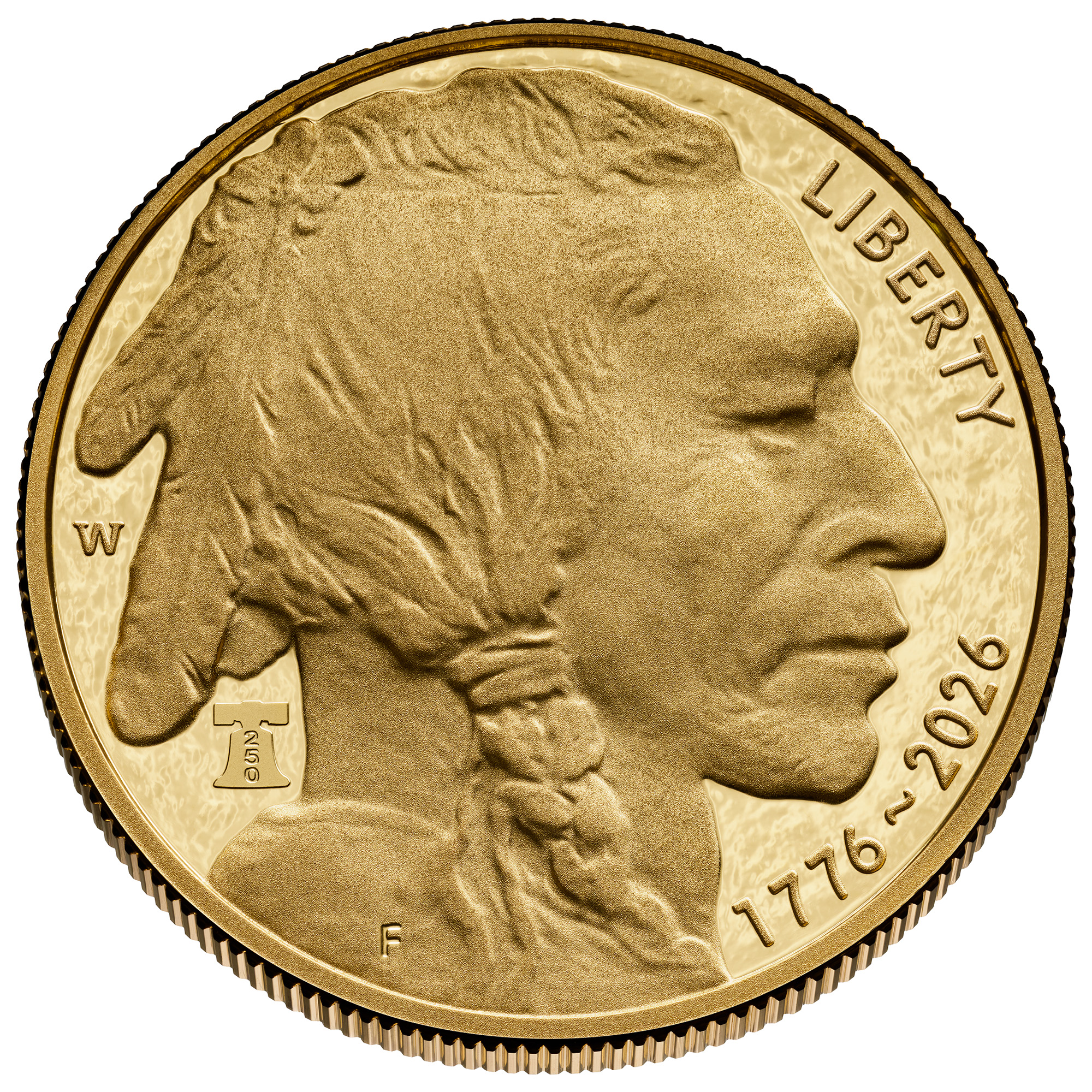
It's hard to believe, but it's been 20 years since the United States Mint first issued a pure (.9999) 24-karat gold coin. In honor of this special anniversary, we're releasing the 20th Anniversary American Buffalo One-Tenth Ounce Gold Coin later this year. This will be the first fractional Buffalo coin ever produced.
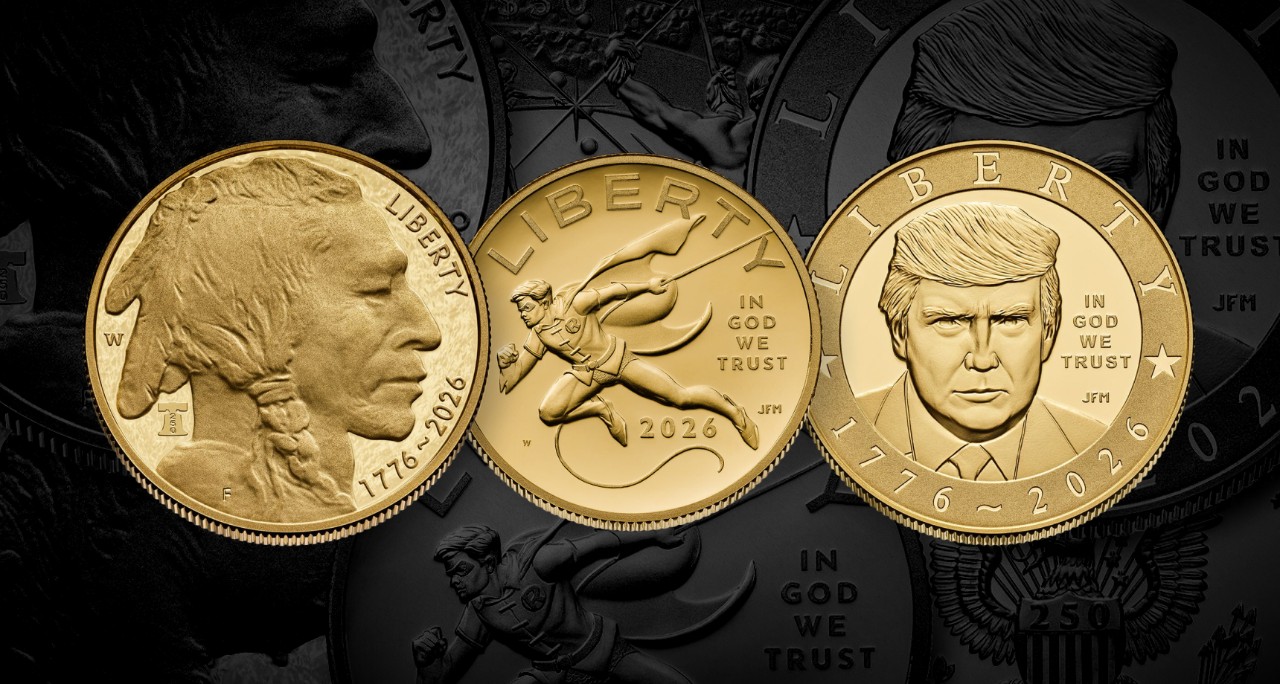
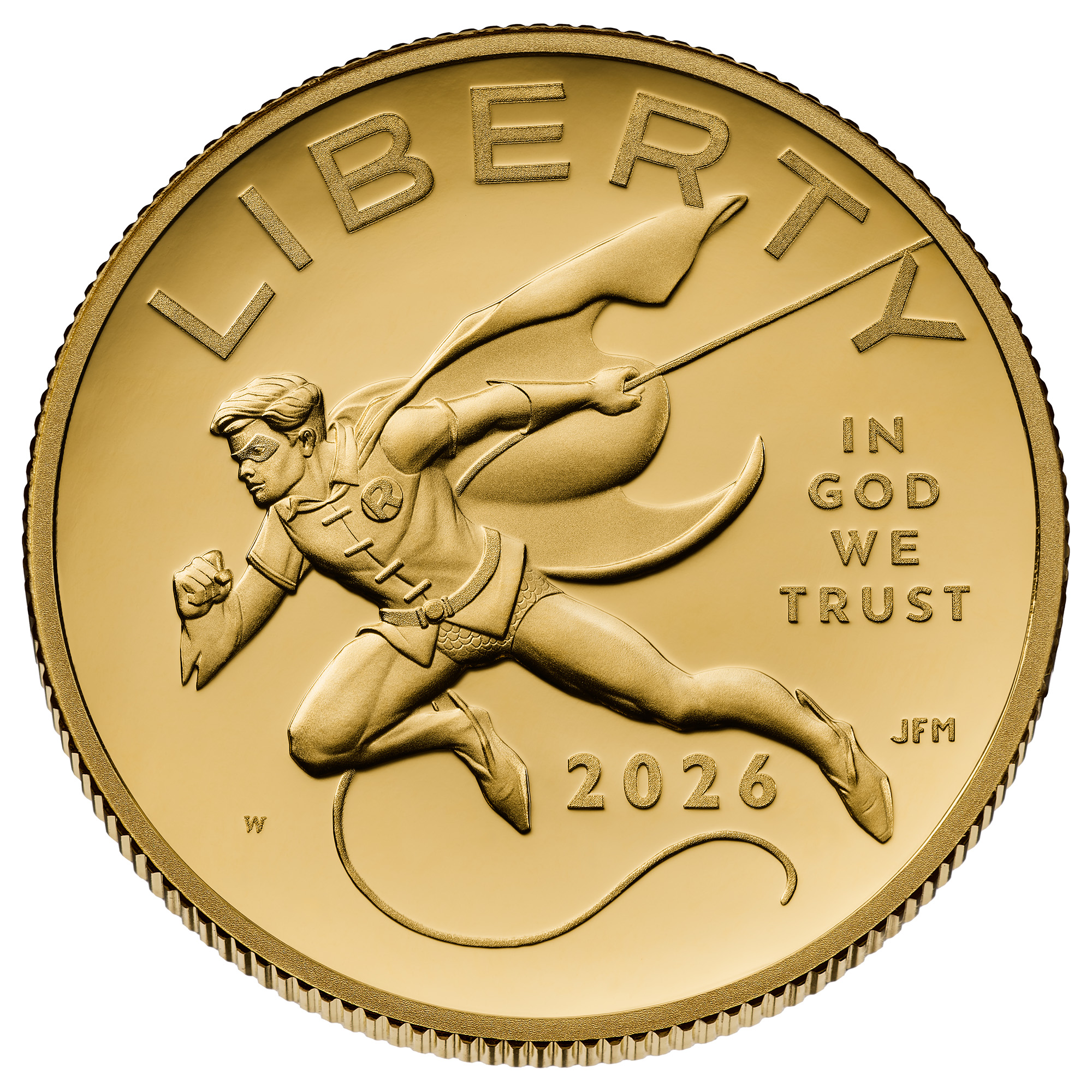
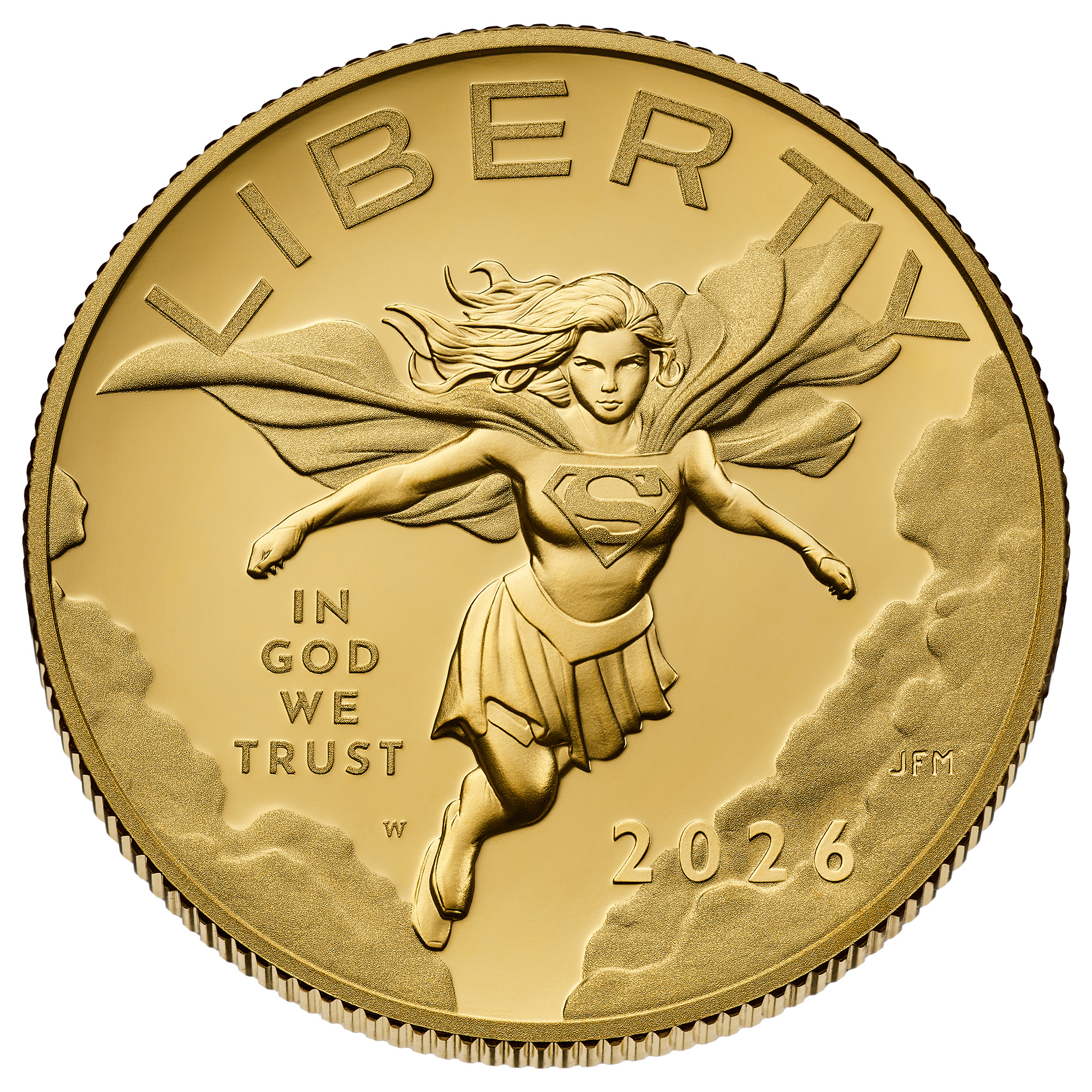
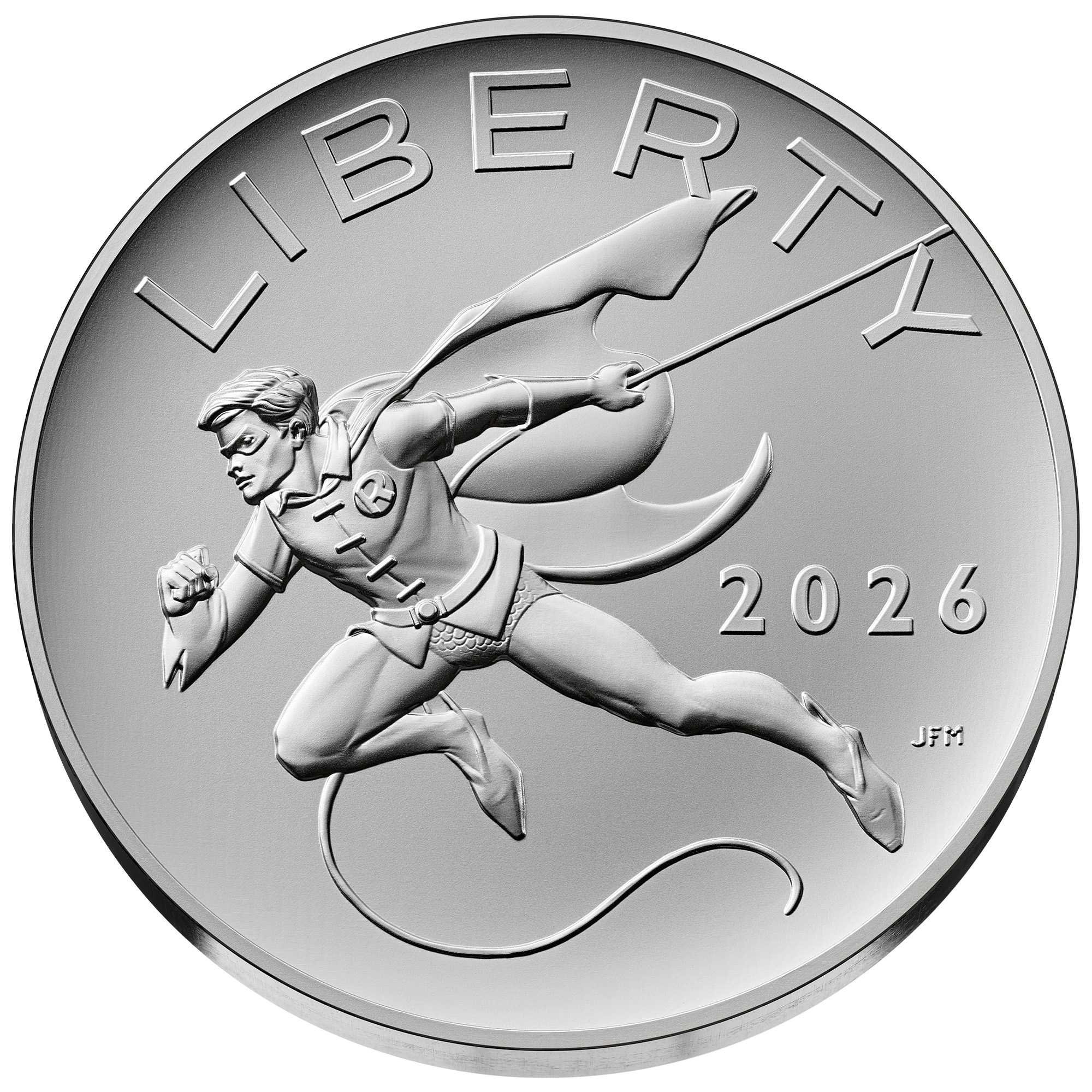
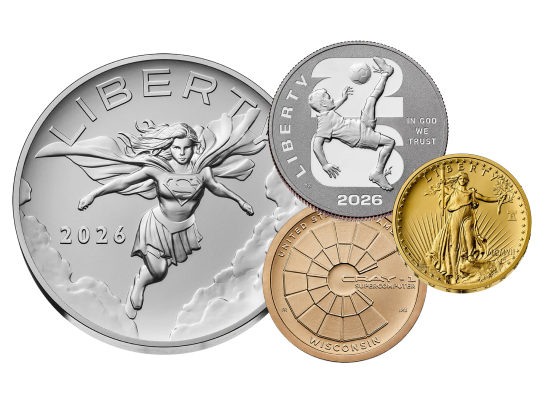
Collectors today are used to seeing 24-karat gold offerings on a regular basis—everything from Comic Art to American Liberty to Semiquincentennial products like the President Donald J. Trump 24K Gold Proof Coin. But when the Mint first released a 24-karat gold coin in 2006, it was big deal that required an Act of Congress.
Before we explore the history of the gold American Buffalo, let's take a look at some 24k gold coins from 2026:
So, where did the Mint's first 24-karat gold coin come from? In reality, it was a footnote in a much broader bill about circulating coins. The Presidential $1 Coin Act of 2005 focused on—you guessed it—one dollar coins. The goal was to get wider circulation for the newly-introduced golden dollars:
"There are sectors of the United States economy, including public transportation, parking meters, vending machines, and low-dollar value transactions, in which the use of a $1 coin is both useful and desirable for keeping costs and prices down. For a variety of reasons, the new $1 coin introduced in 2000 has not been widely sought-after by the public, leading to higher costs for merchants and thus higher prices for consumers."
The bill did also mandate the production of the American Buffalo Gold Coin. Both the American Buffalo Gold Bullion and Proof Coins were to portray the images of the revered Buffalo Nickel of 1913, designed by James Earle Fraser.
The result was a resounding success, with collectors and critics alike agreeing that the 24k gold coin was a welcome addition to the Mint's annual lineup. Twenty years later, the American Buffalo Gold Coin is still going strong.
Mint Trivia
Just in time for Halloween, try our spooky trivia. We've got bats, Batman, Bicentennial full moons, and scariest of all—a multiple choice test!
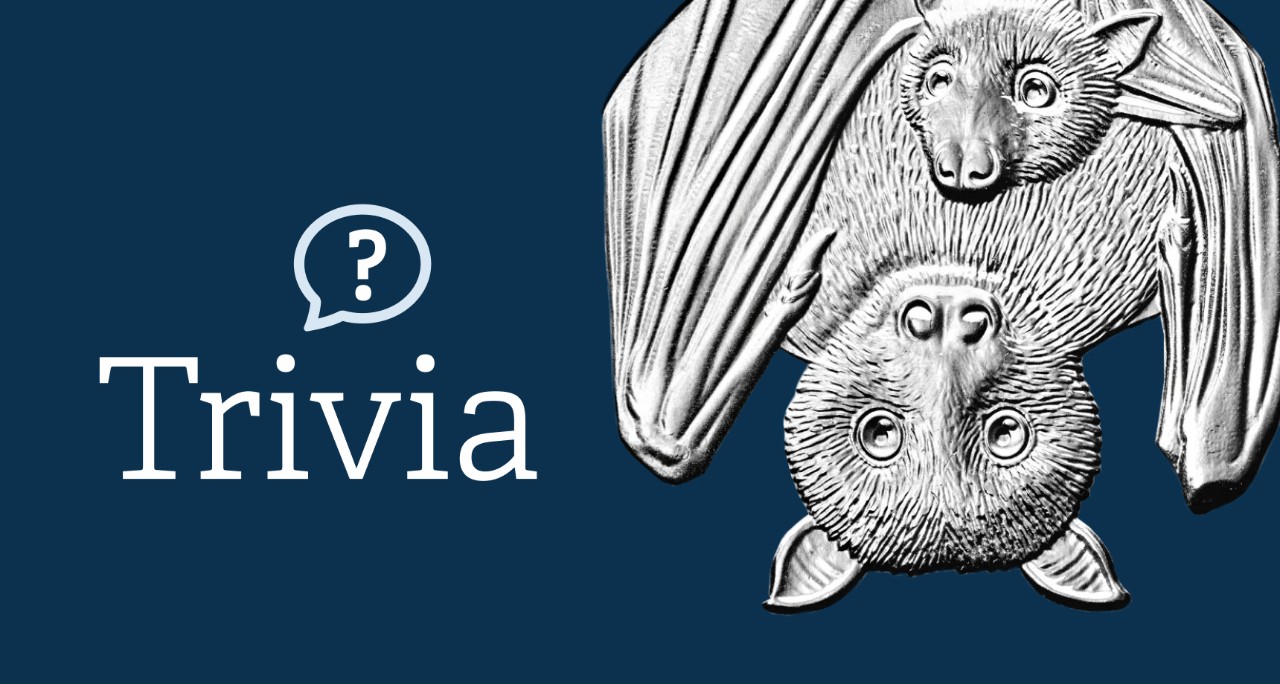
1. A 2020 America the Beautiful Quarter featured a bat mother hanging in a tree with her pup. Which state or U.S. territory did it represent?
A) Hawaii
B) Guam
C) Northern Mariana Islands
D) American Samoa
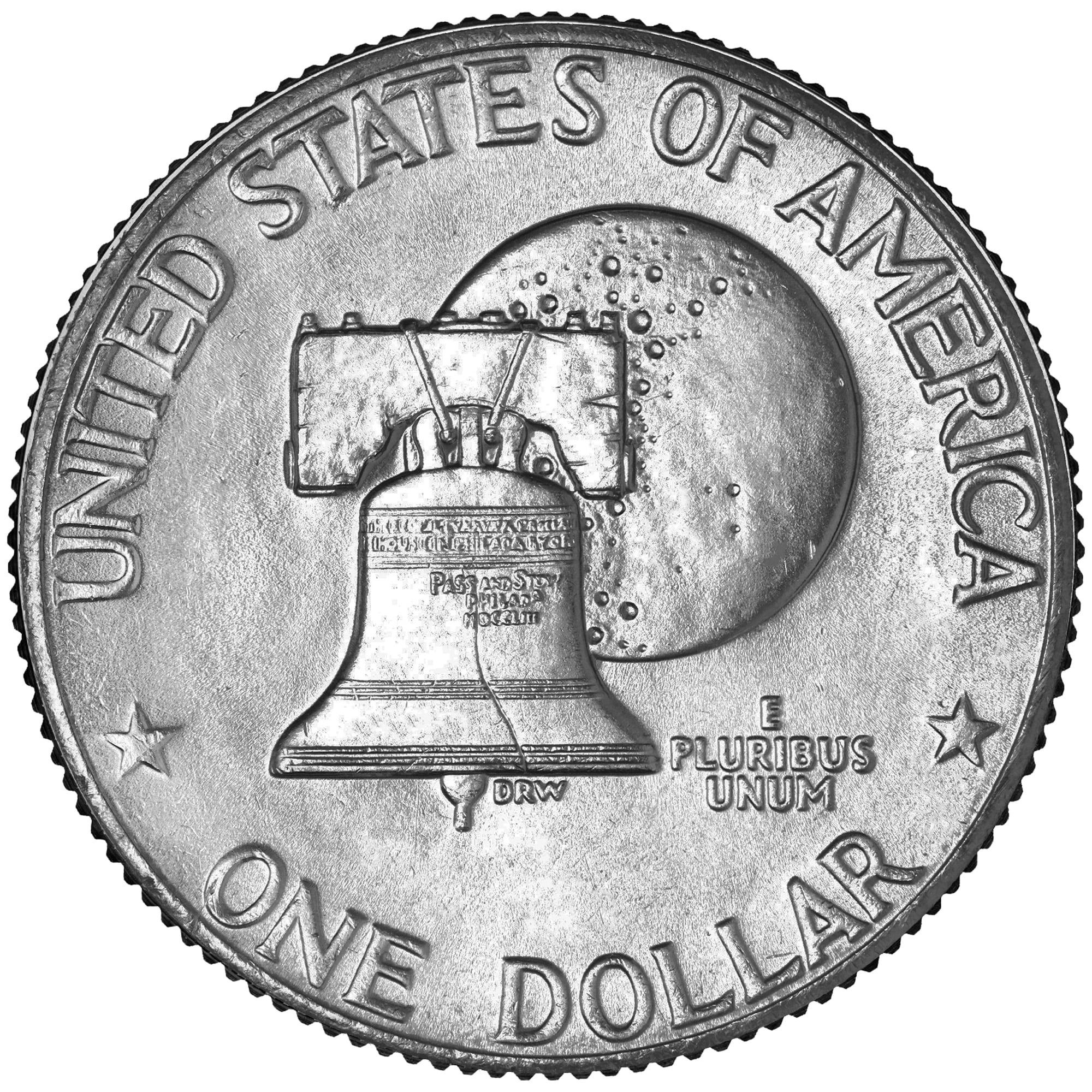
2. A 1975-1976 Bicentennial Coin featured a full moon and Liberty Bell on its reverse? Which president was on the obverse?
A) John F. Kennedy
B) Dwight D. Eisenhower
C) George Washington
D) Jimmy Carter
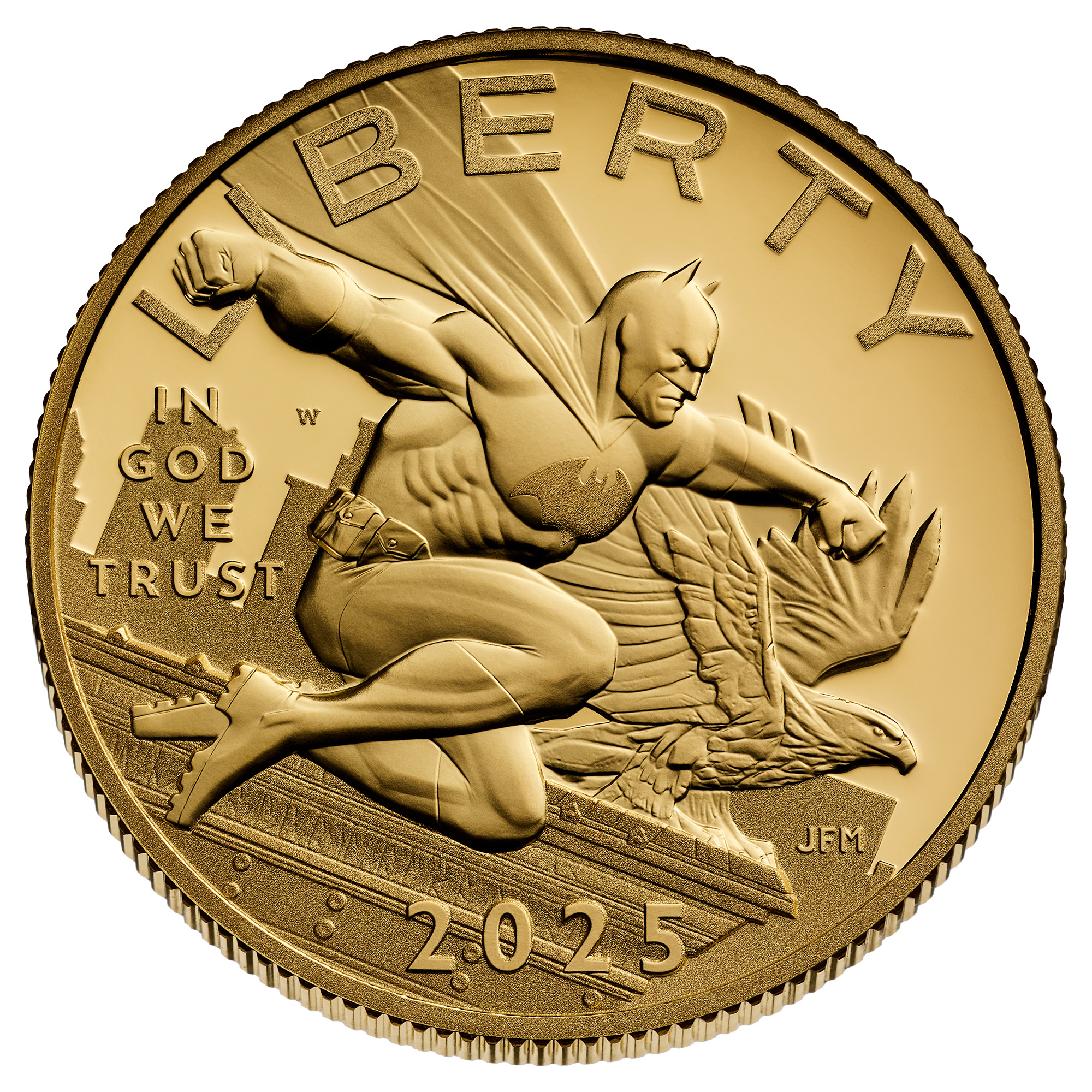
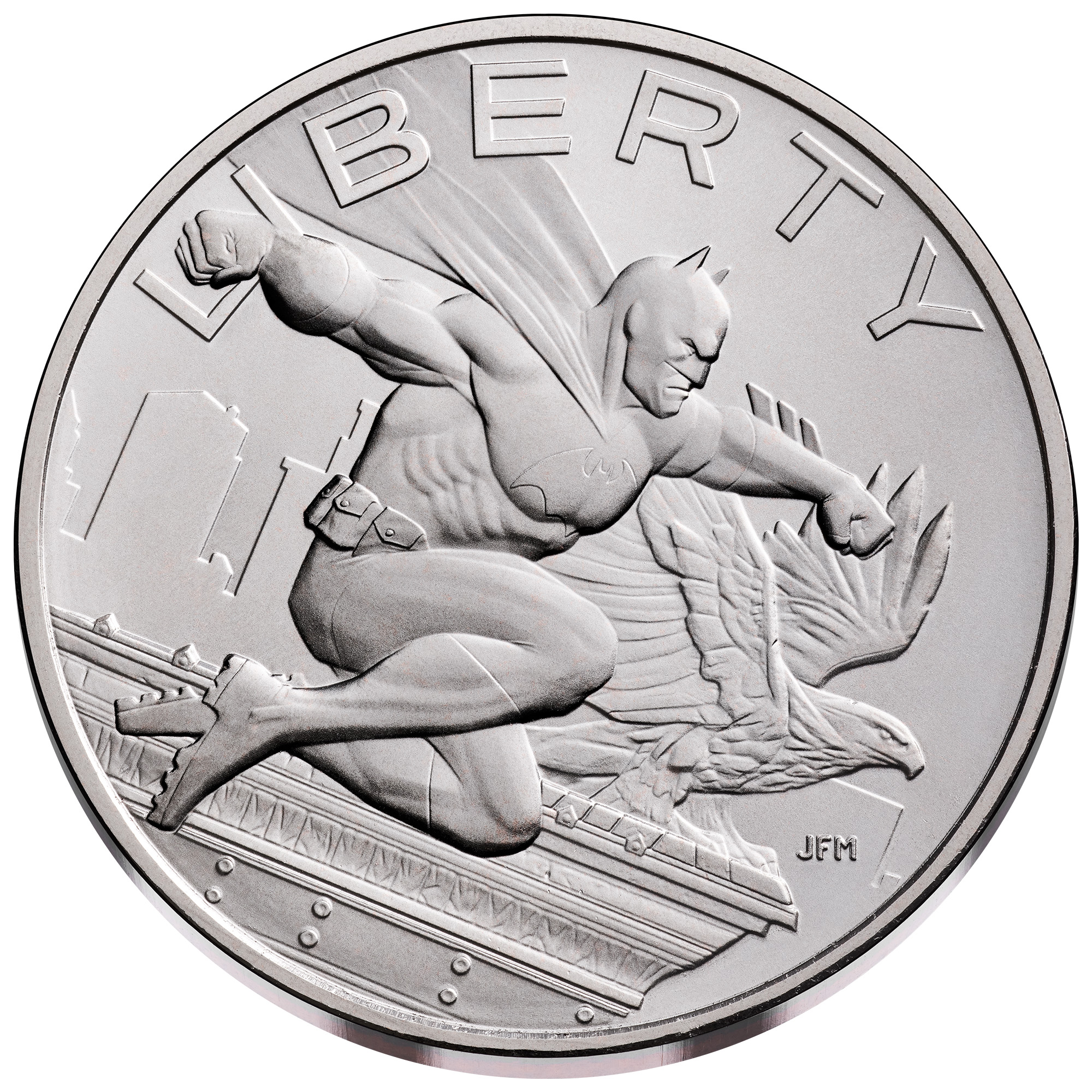
3. The Dark Knight arrived at the United States Mint in 2025. Who designed and sculpted the obverse of all Batman gold coin and silver medals?

 Celebrating America's 250th Anniversary