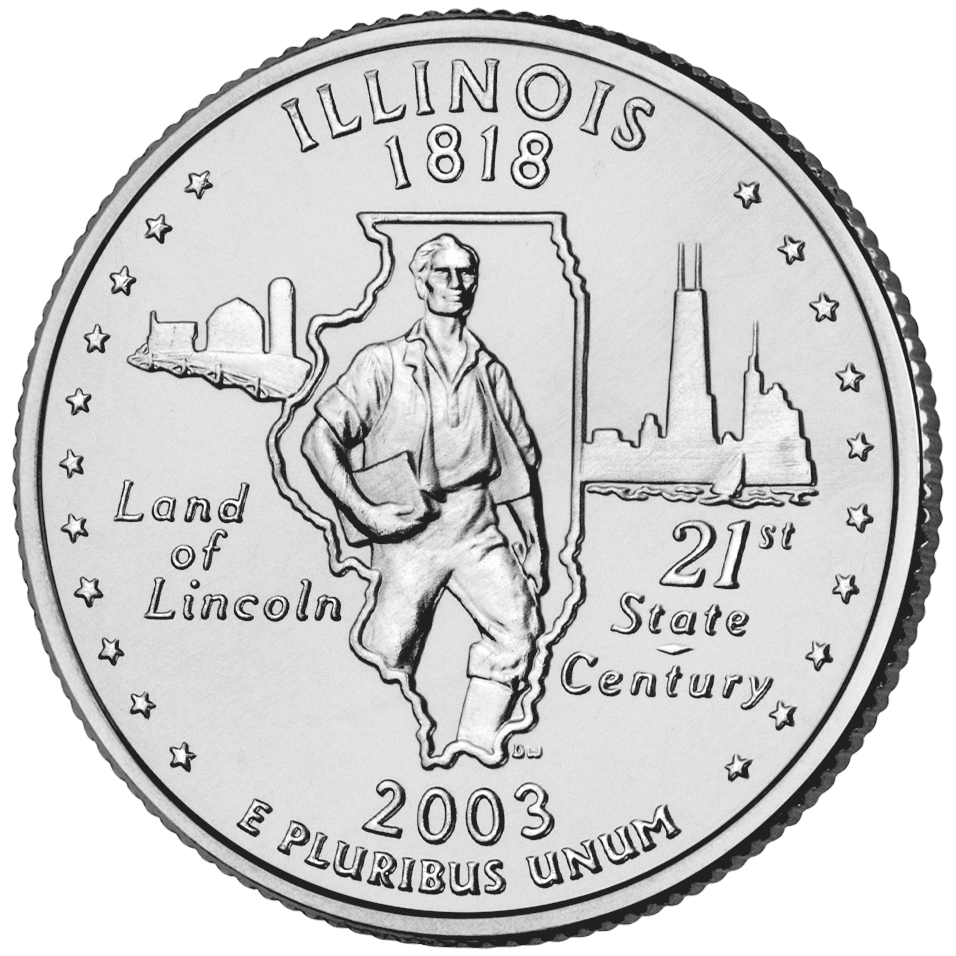
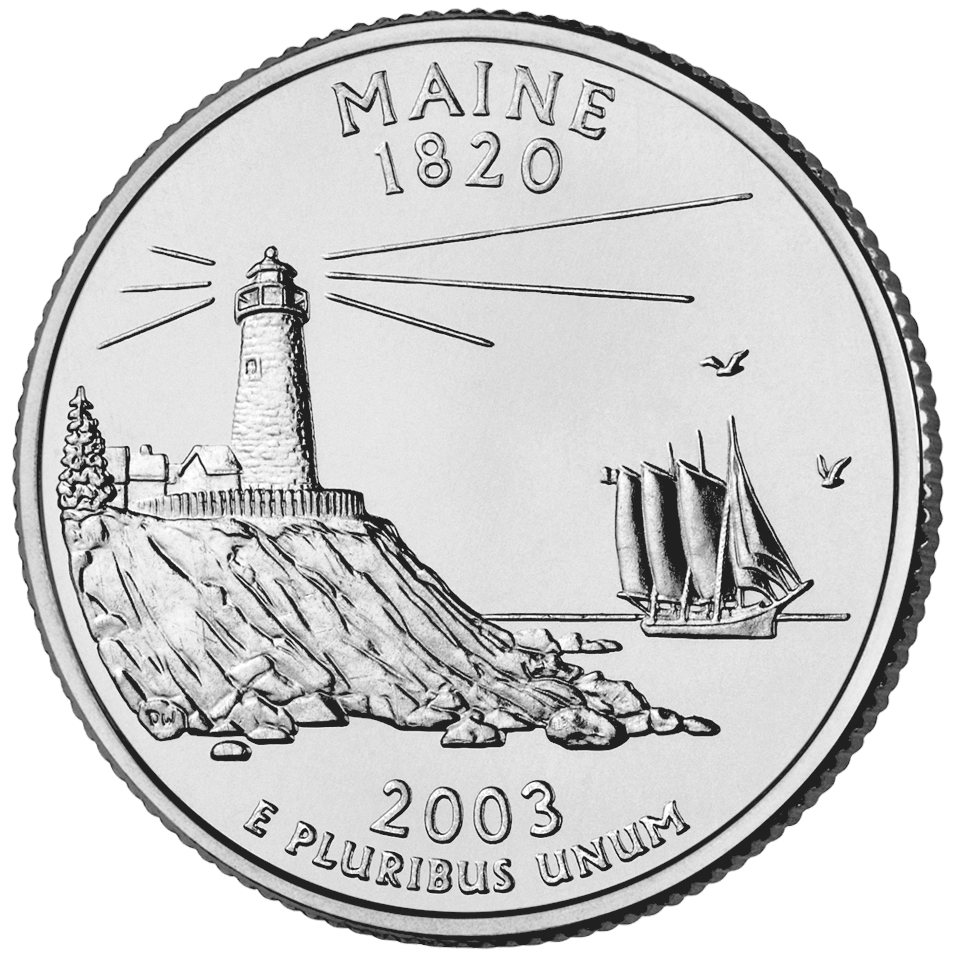
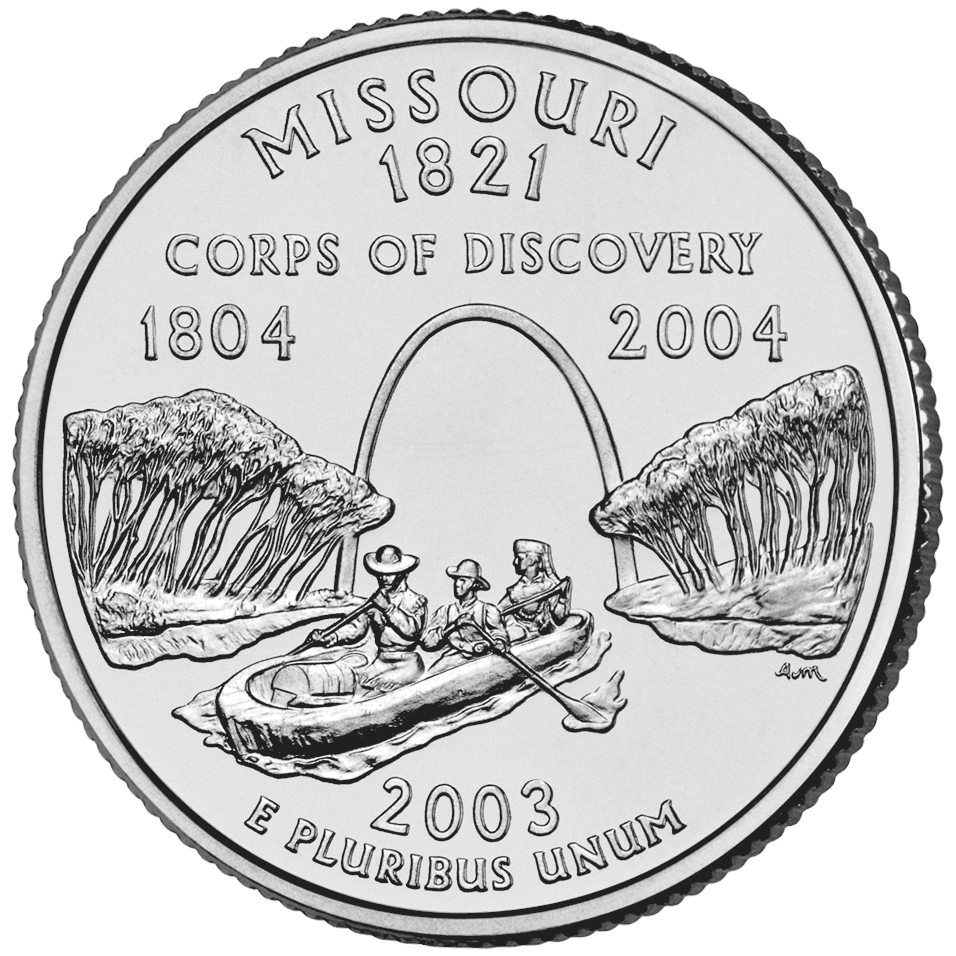
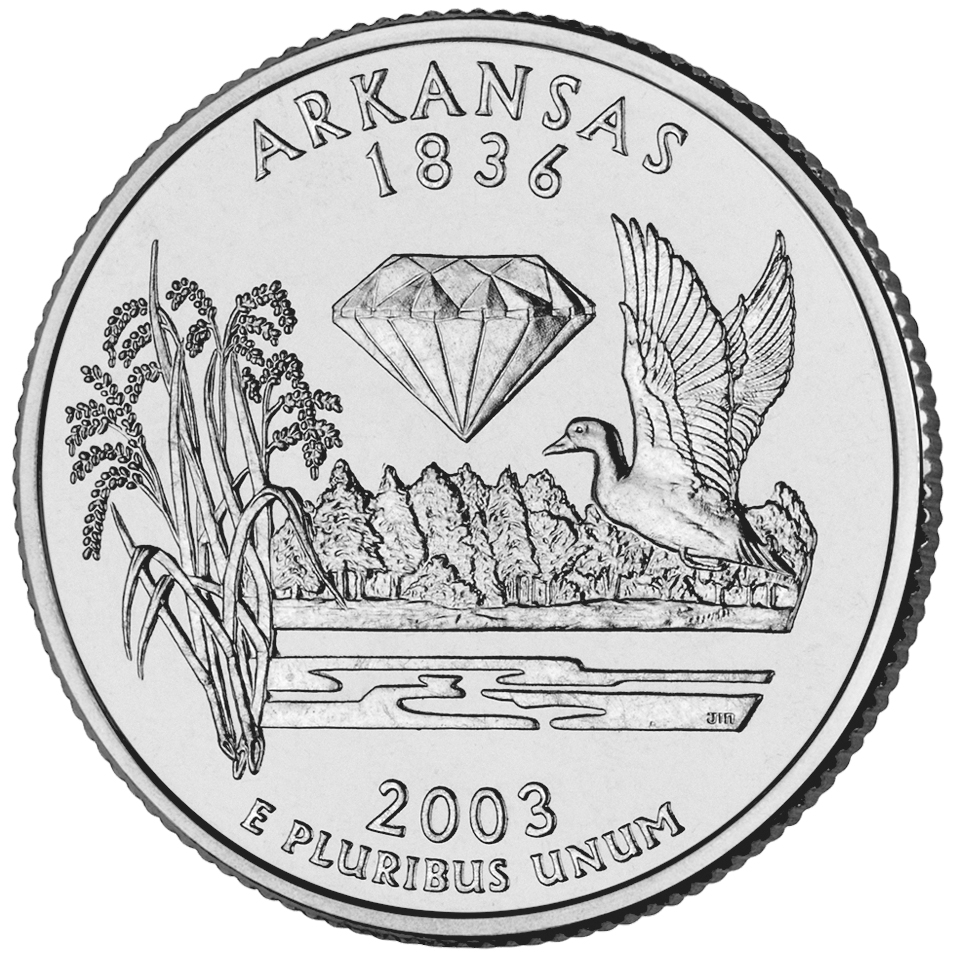
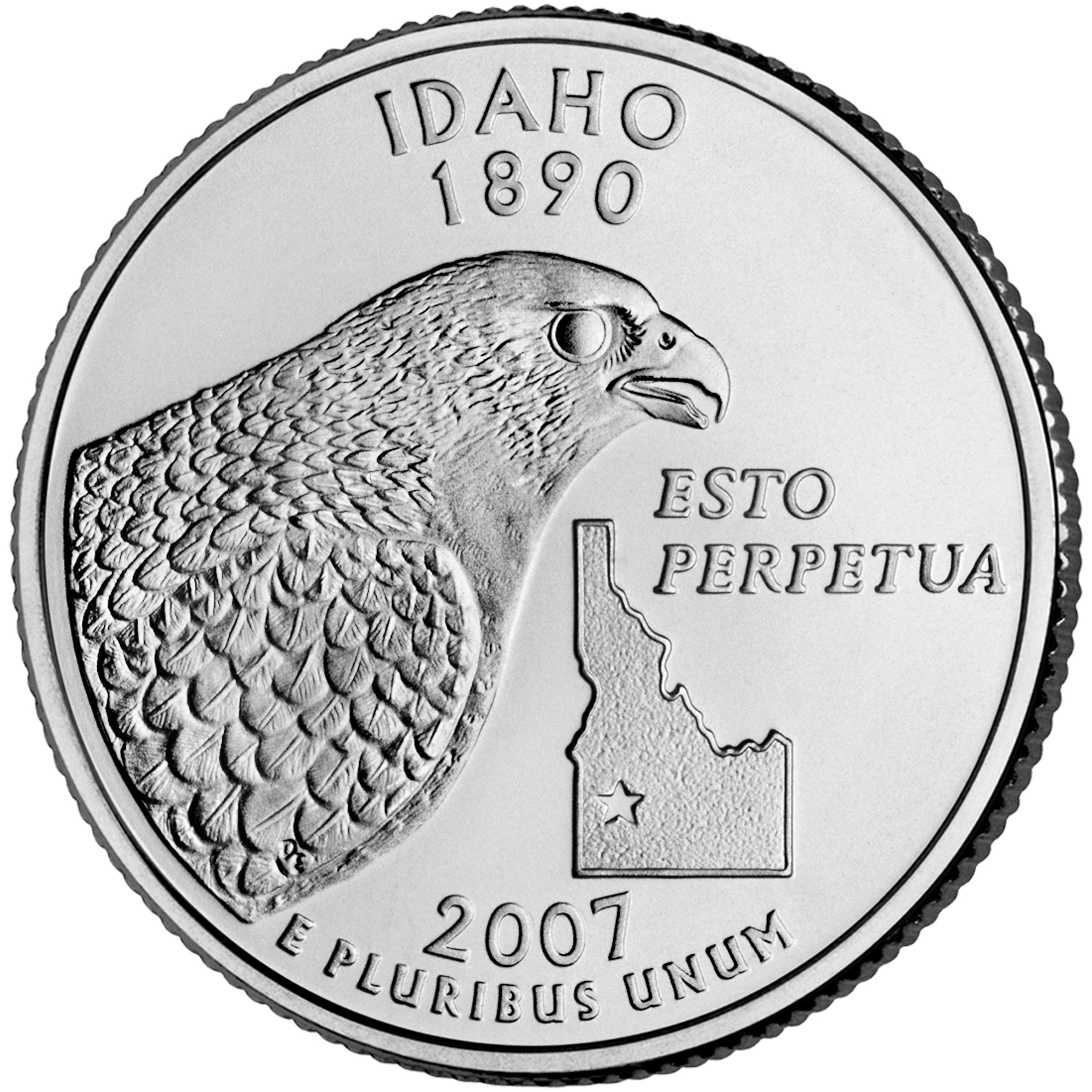
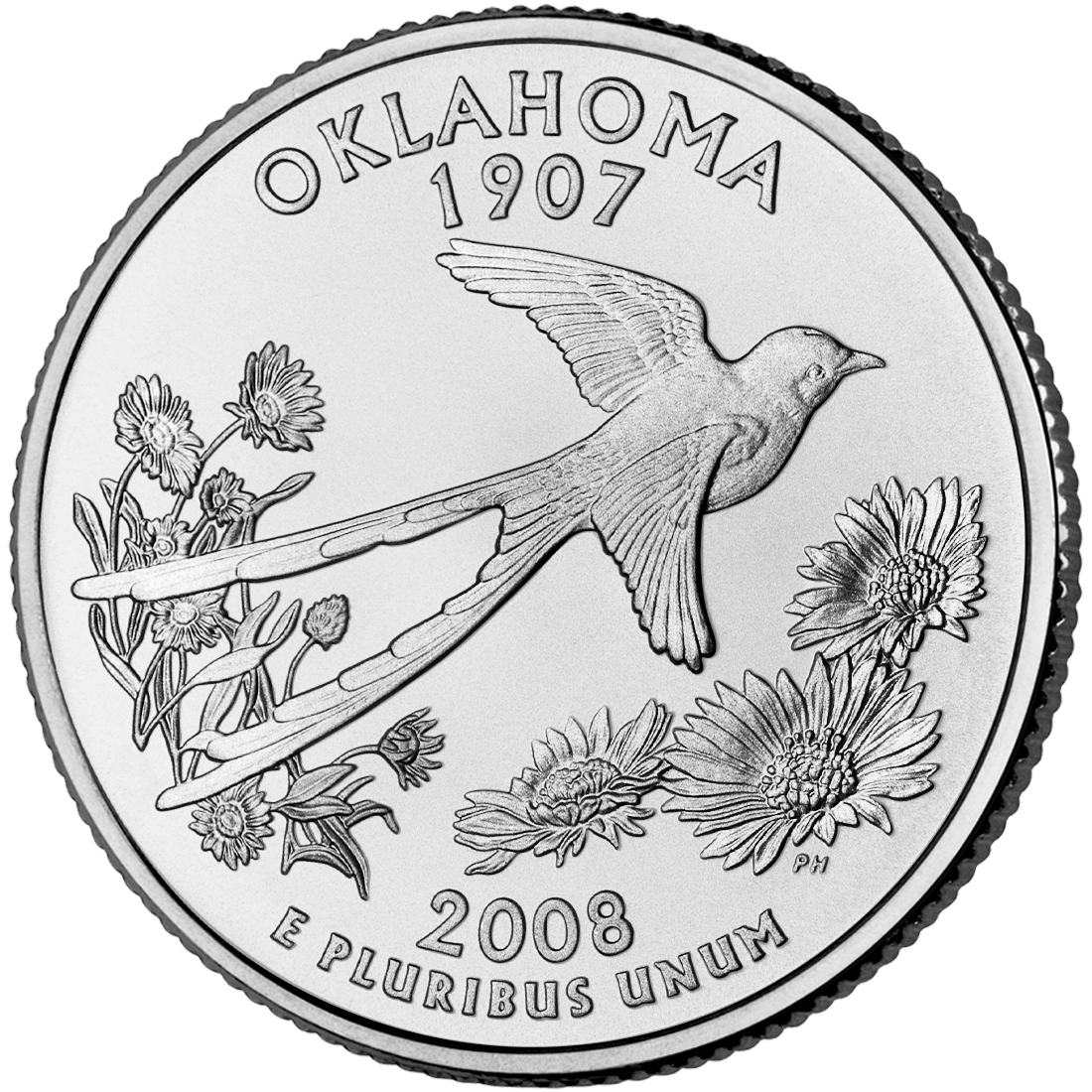
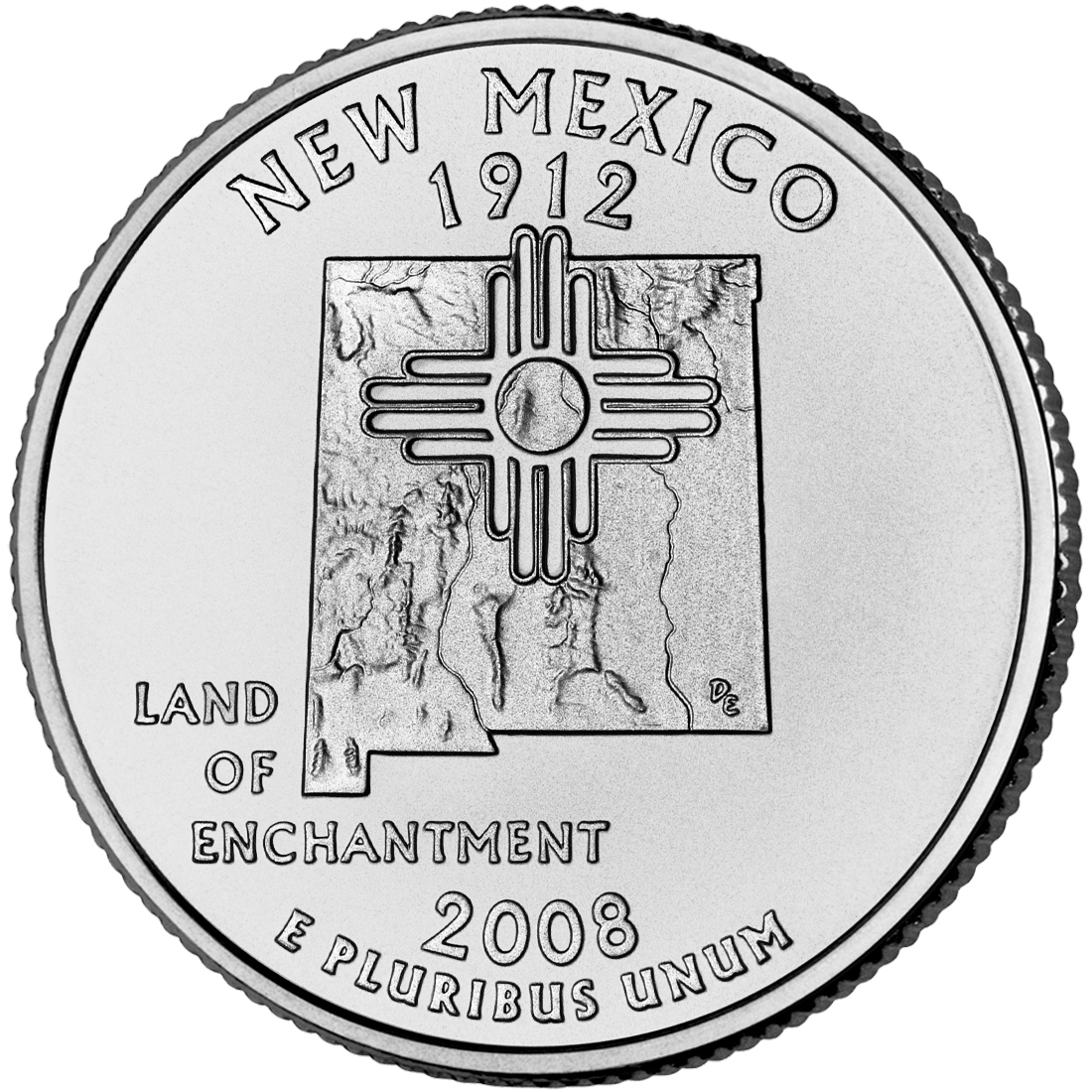
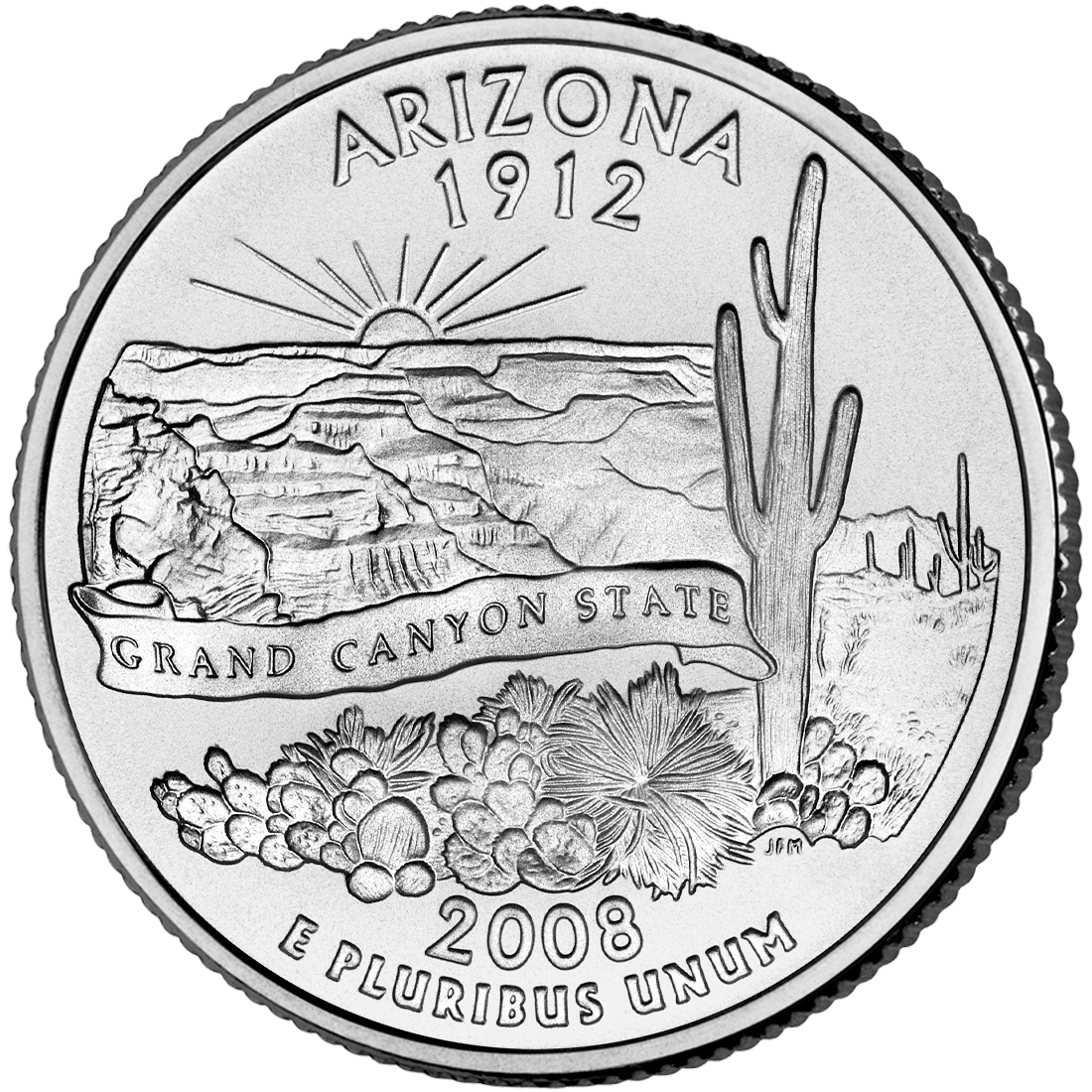
50 State Quarters Program
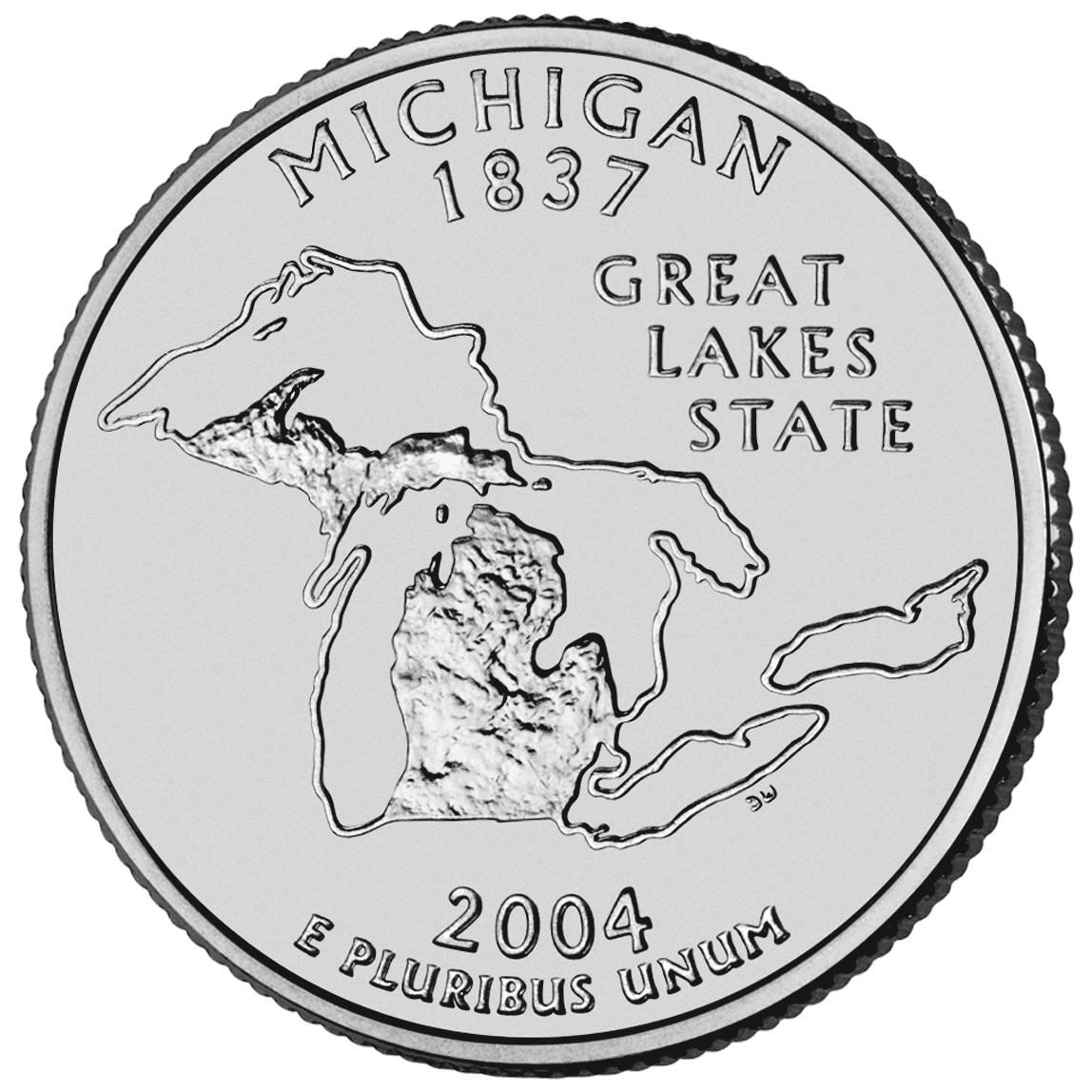
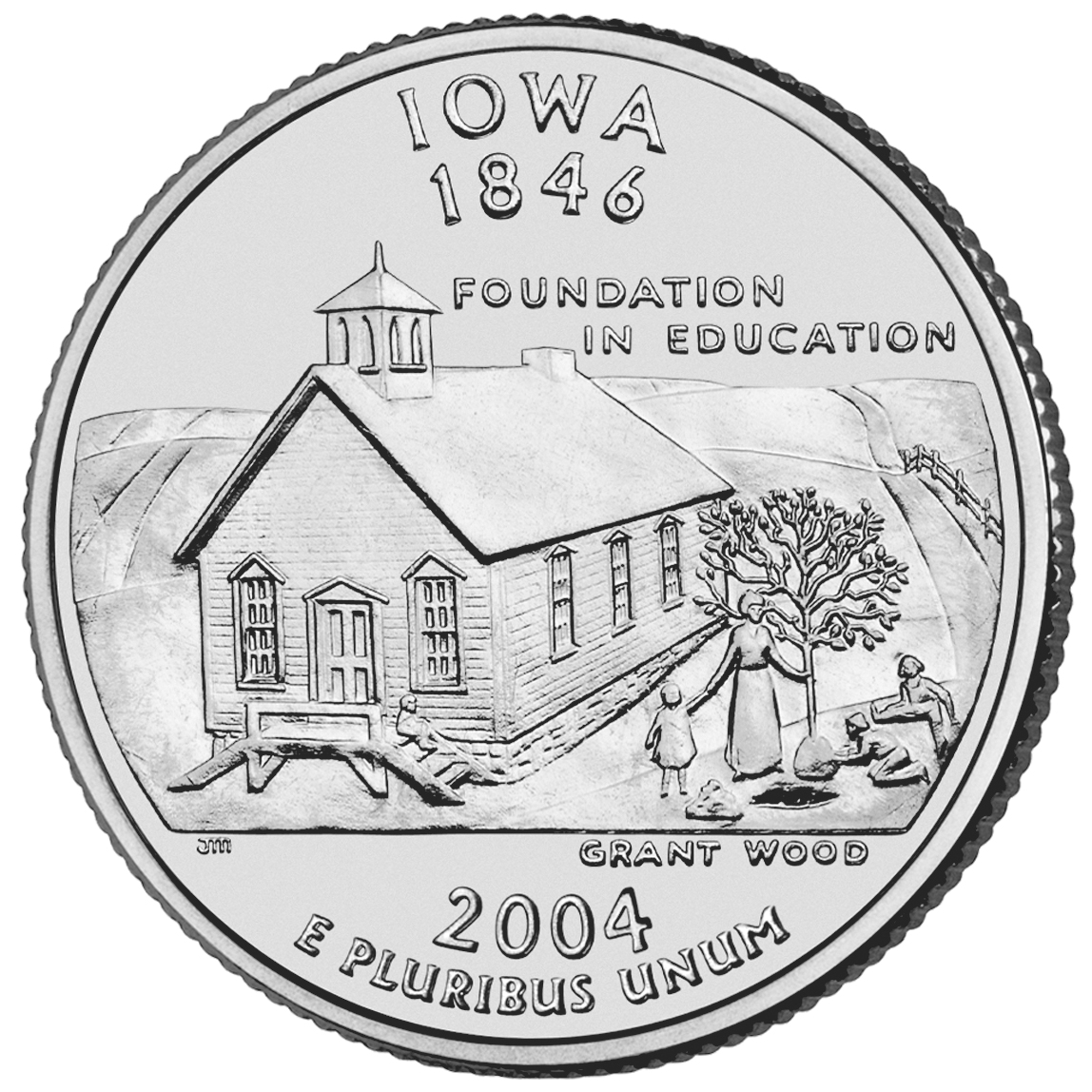
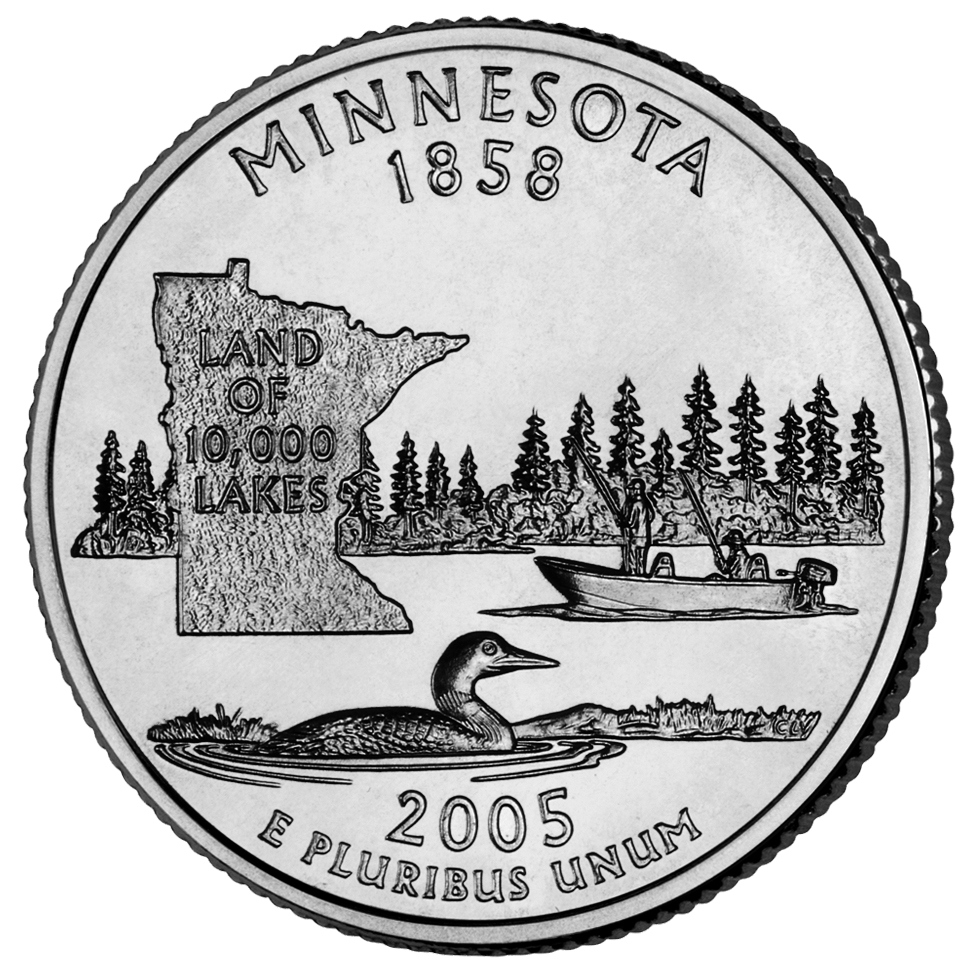
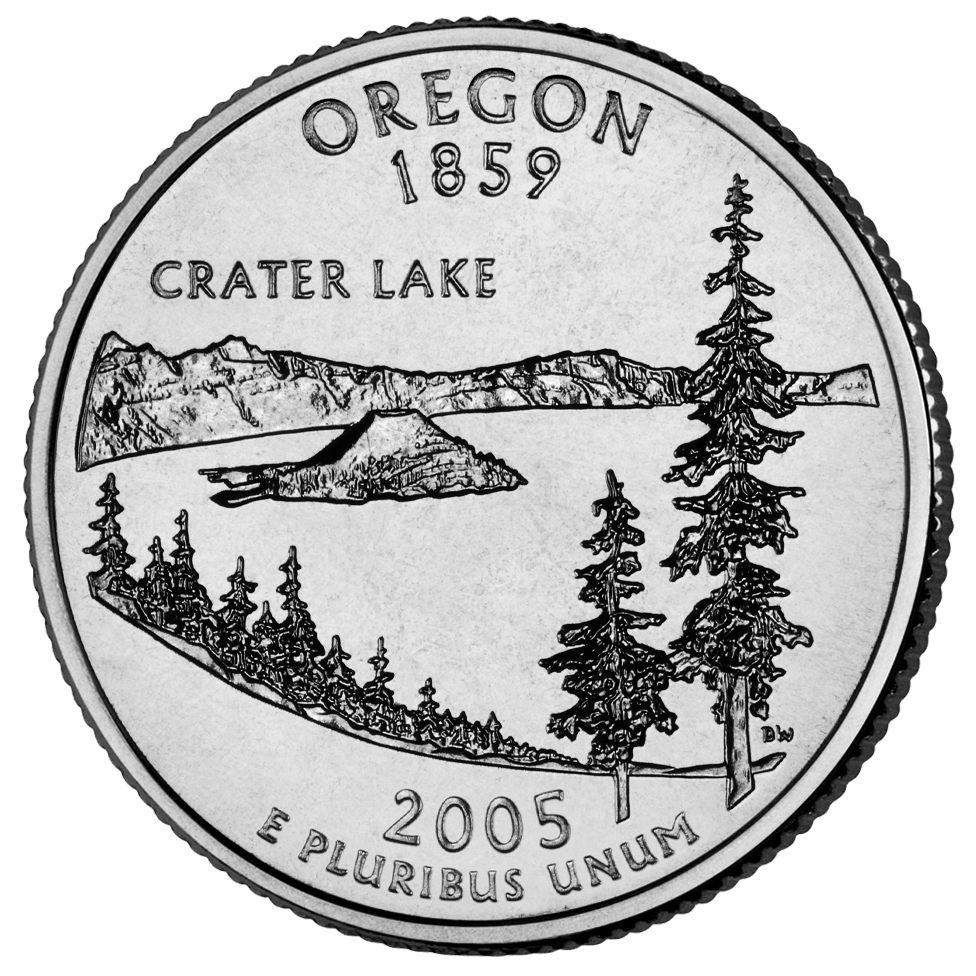
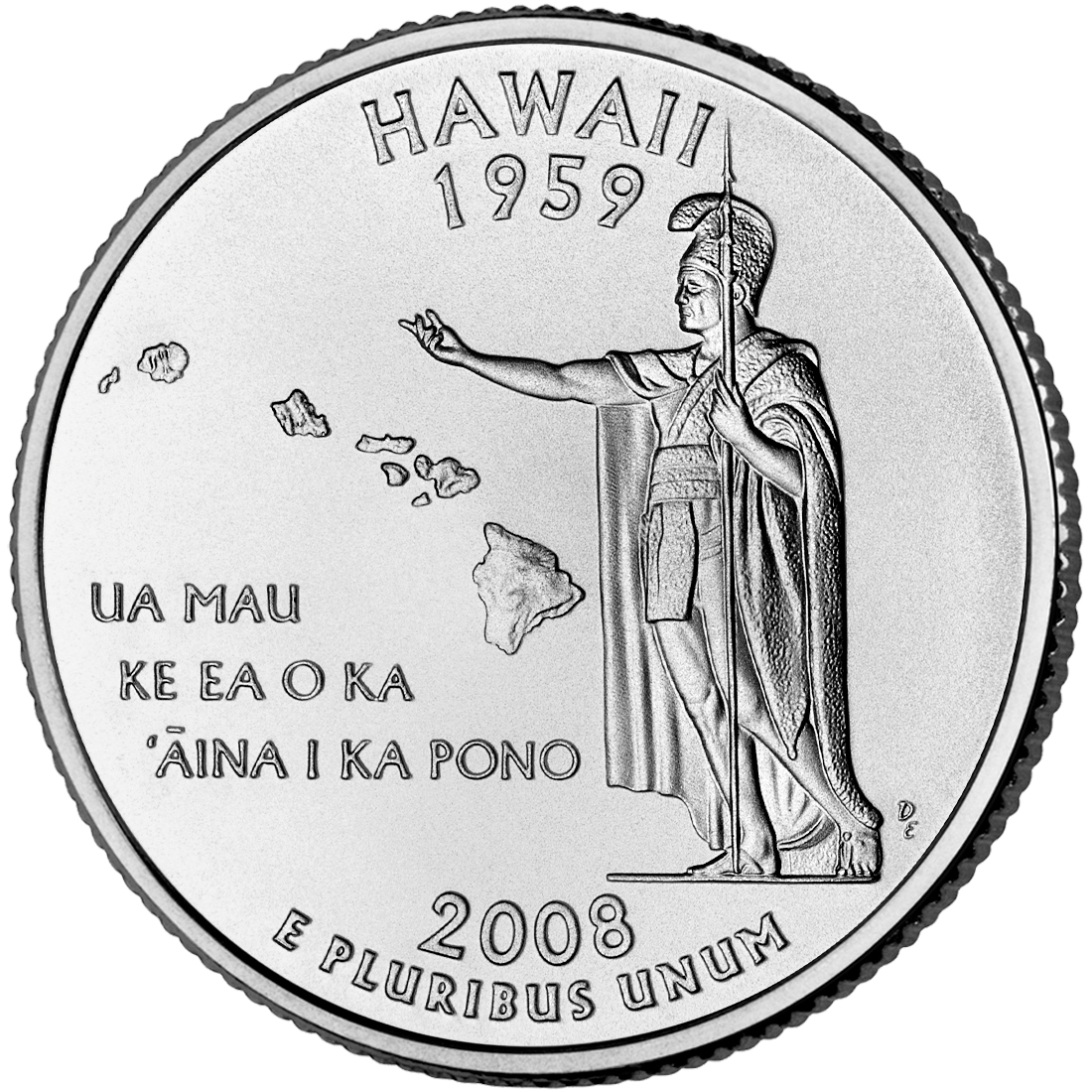
Launched in 1999, the 50 State Quarters Program was a 10-year initiative that honored each of the 50 states. The U.S. Mint issued five new quarters each year in the order that the states ratified the Constitution or were admitted into the Union. The program, authorized by Congress in Public Law 105-124, kicked off with Delaware and concluded at the end of 2008 with the Hawaii commemorative quarter-dollar coin.
An estimated 147 million Americans collected the coins. Nearly six million free lessons plans about the quarters and the states they celebrate were downloaded by teachers, parents and students from the United States Mint's award-winning Coin Classroom website.
During the decade of the 50 State Quarters Program, the United States Mint issued more than 34 billion quarters to the Federal Reserve Banks (FRB) and generated approximately $3 billion in seigniorage. The extra earnings were transferred to the Treasury General Fund.
The program created extraordinary public interest as thousands of citizens attended the quarter launches, participated in public coin forums hosted by the United States Mint, and lined up for quarter exchanges.
About the Designs
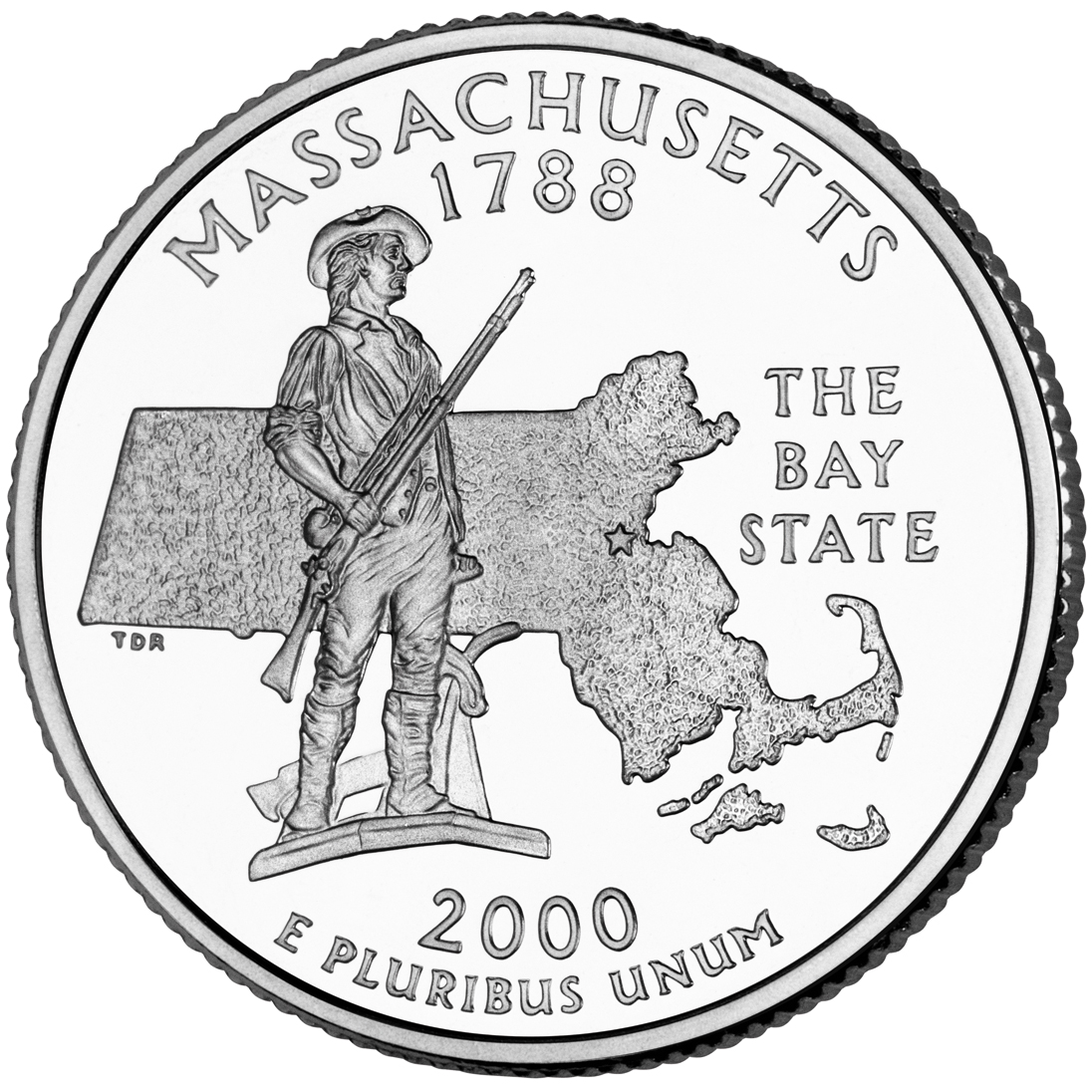
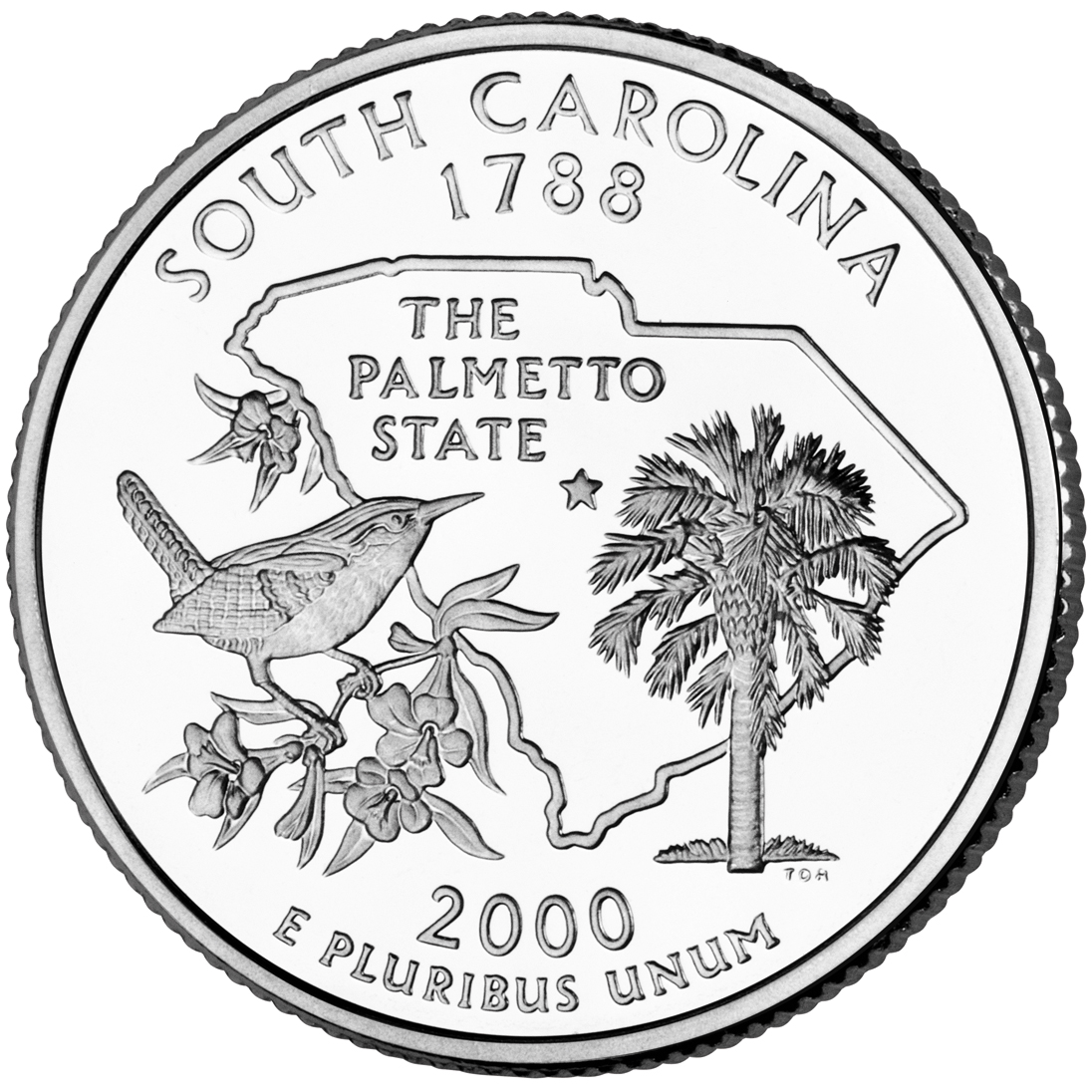
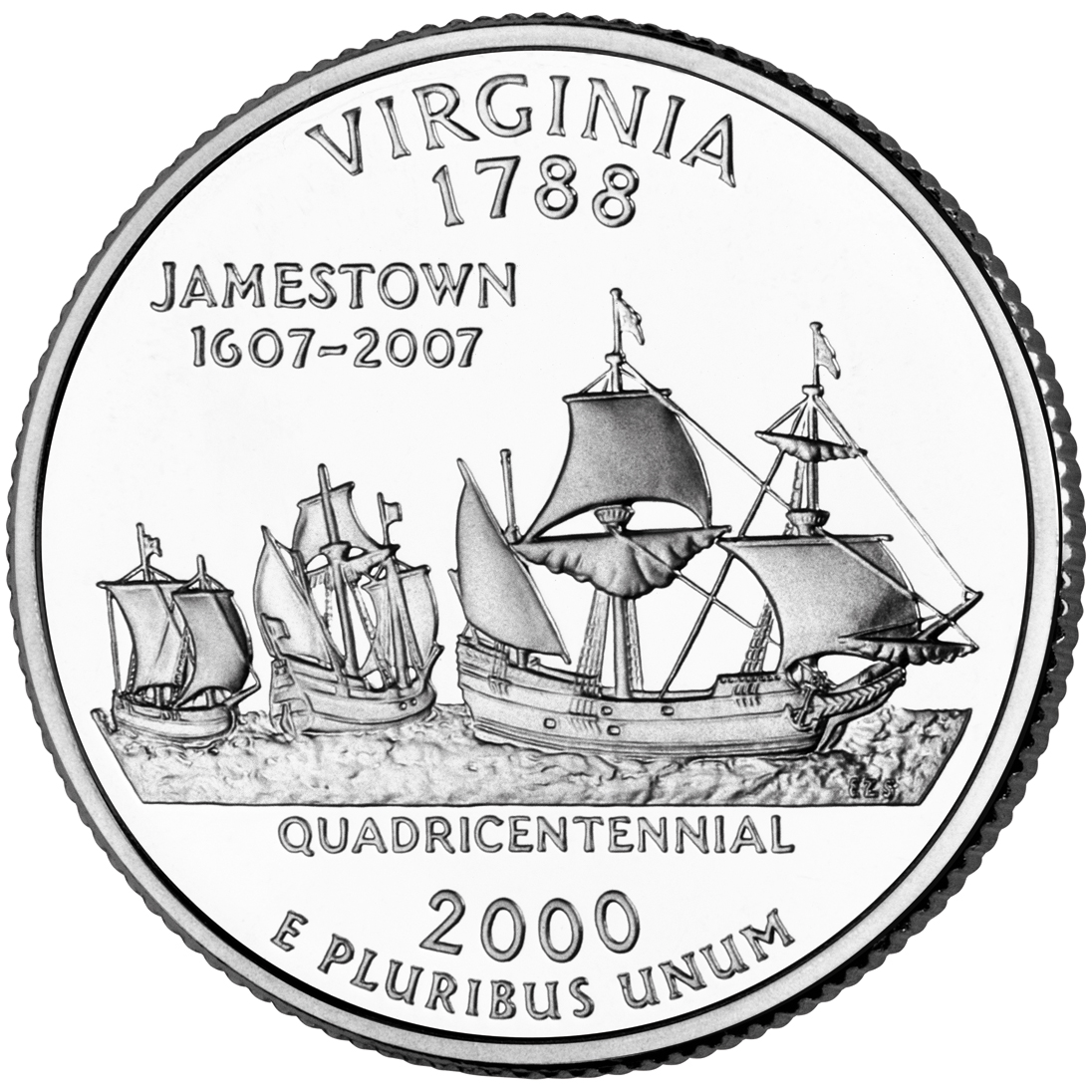
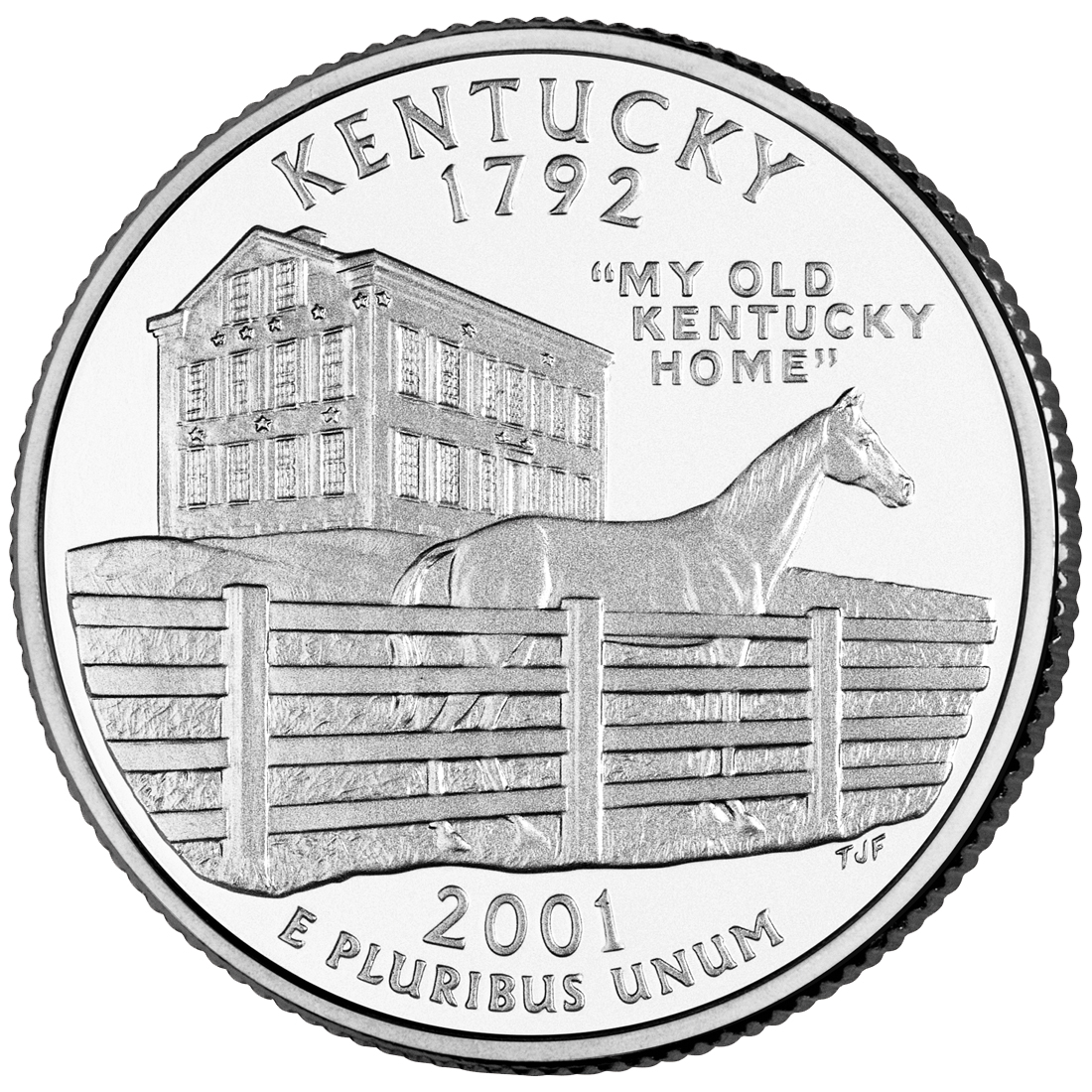
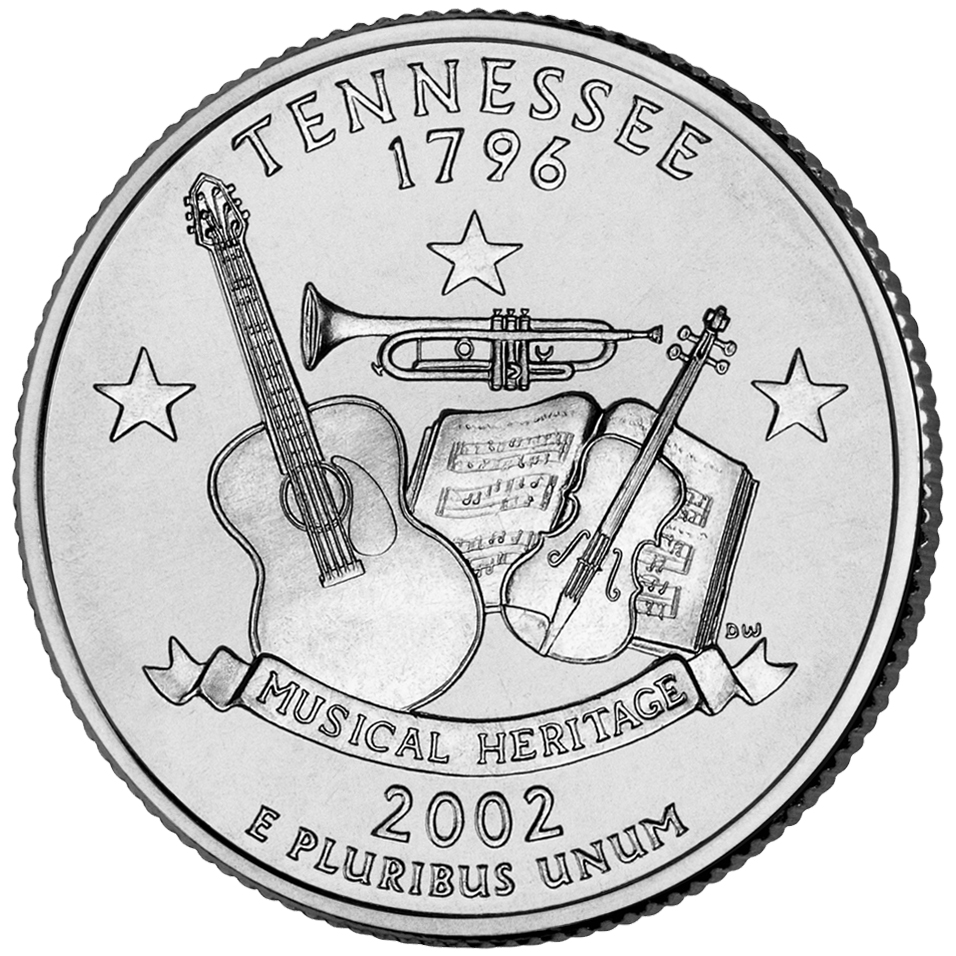
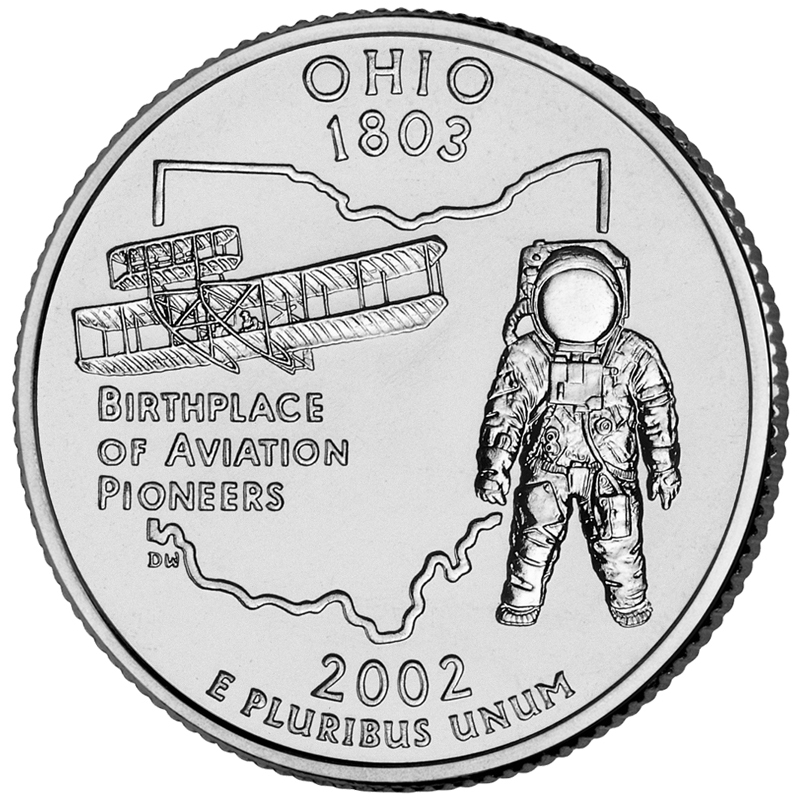
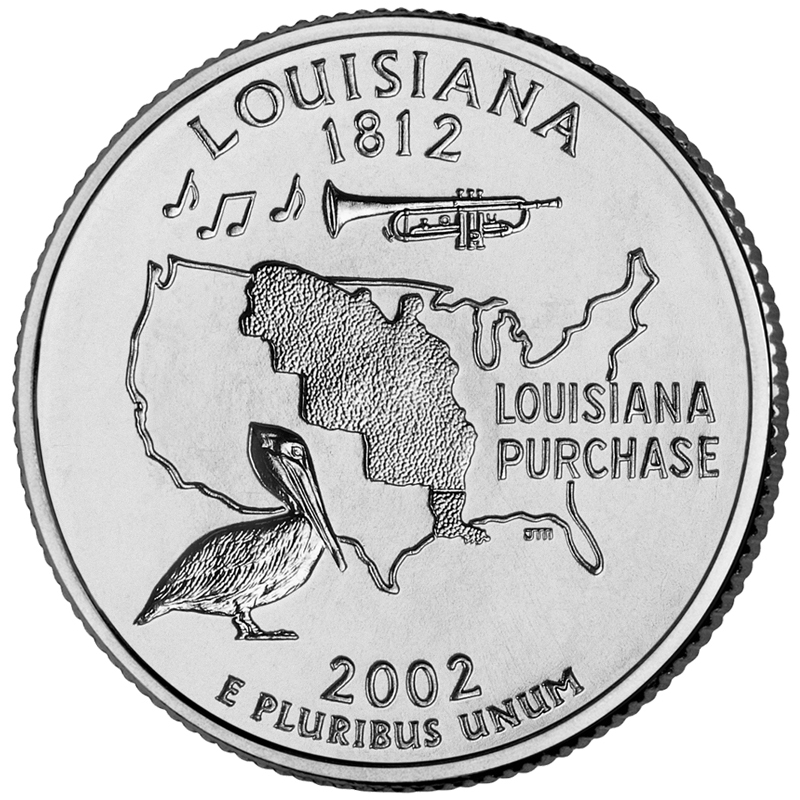
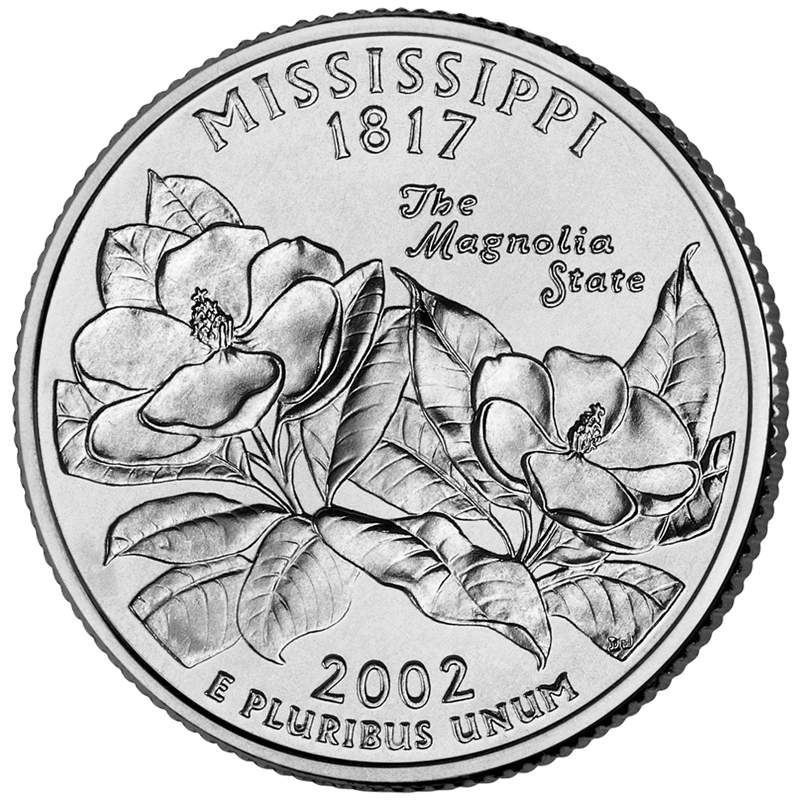
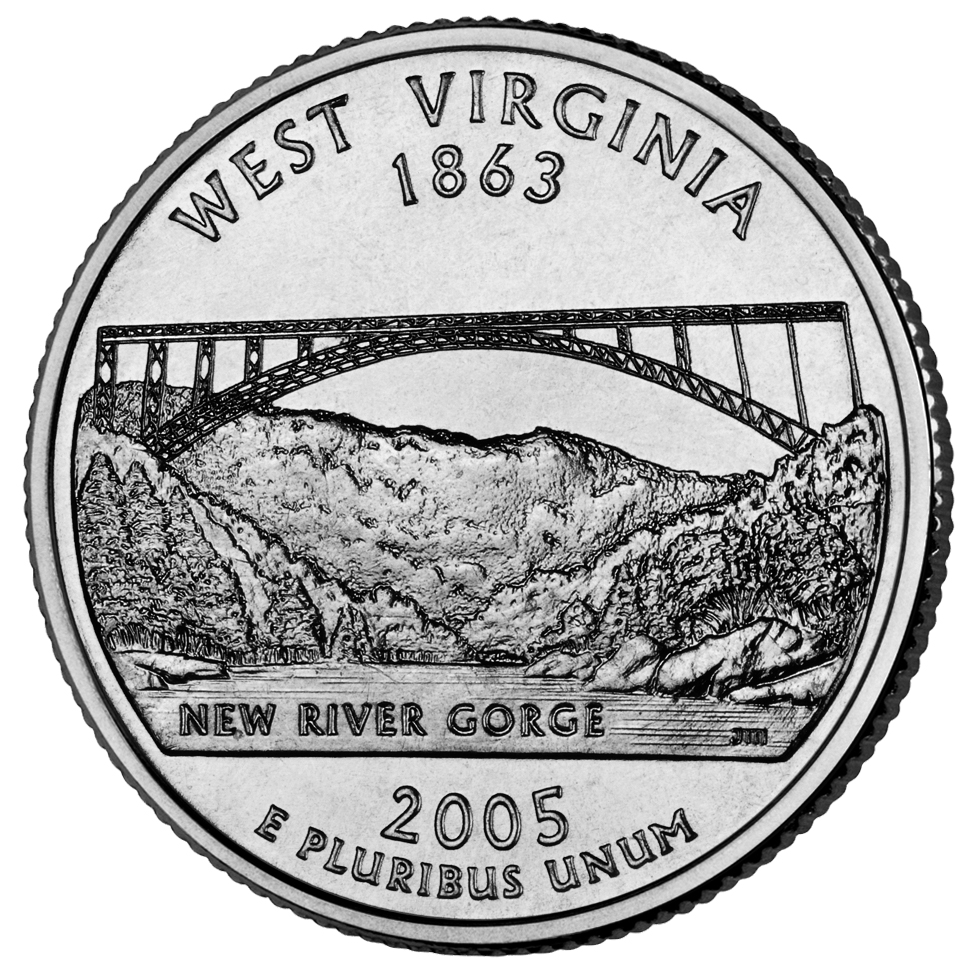
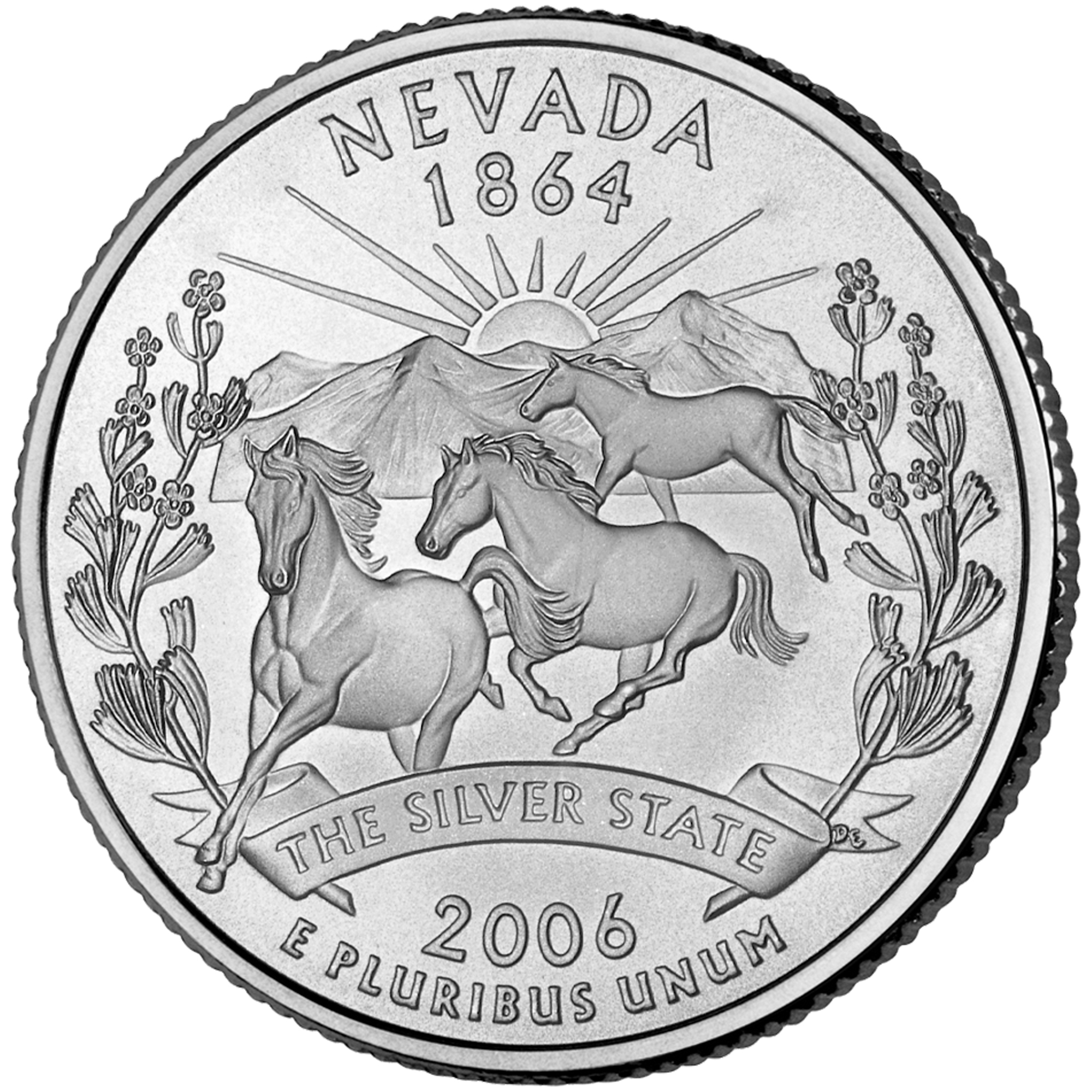
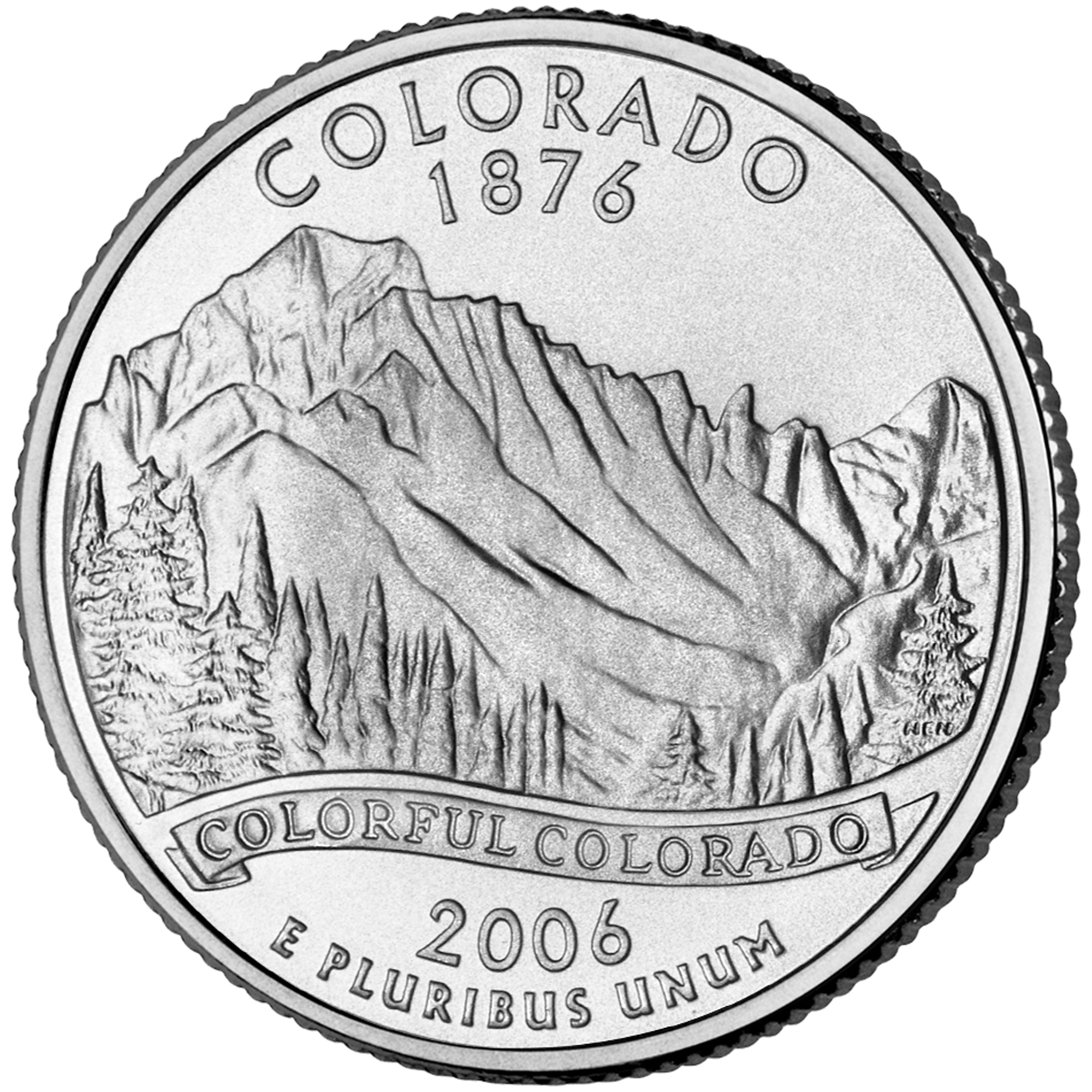
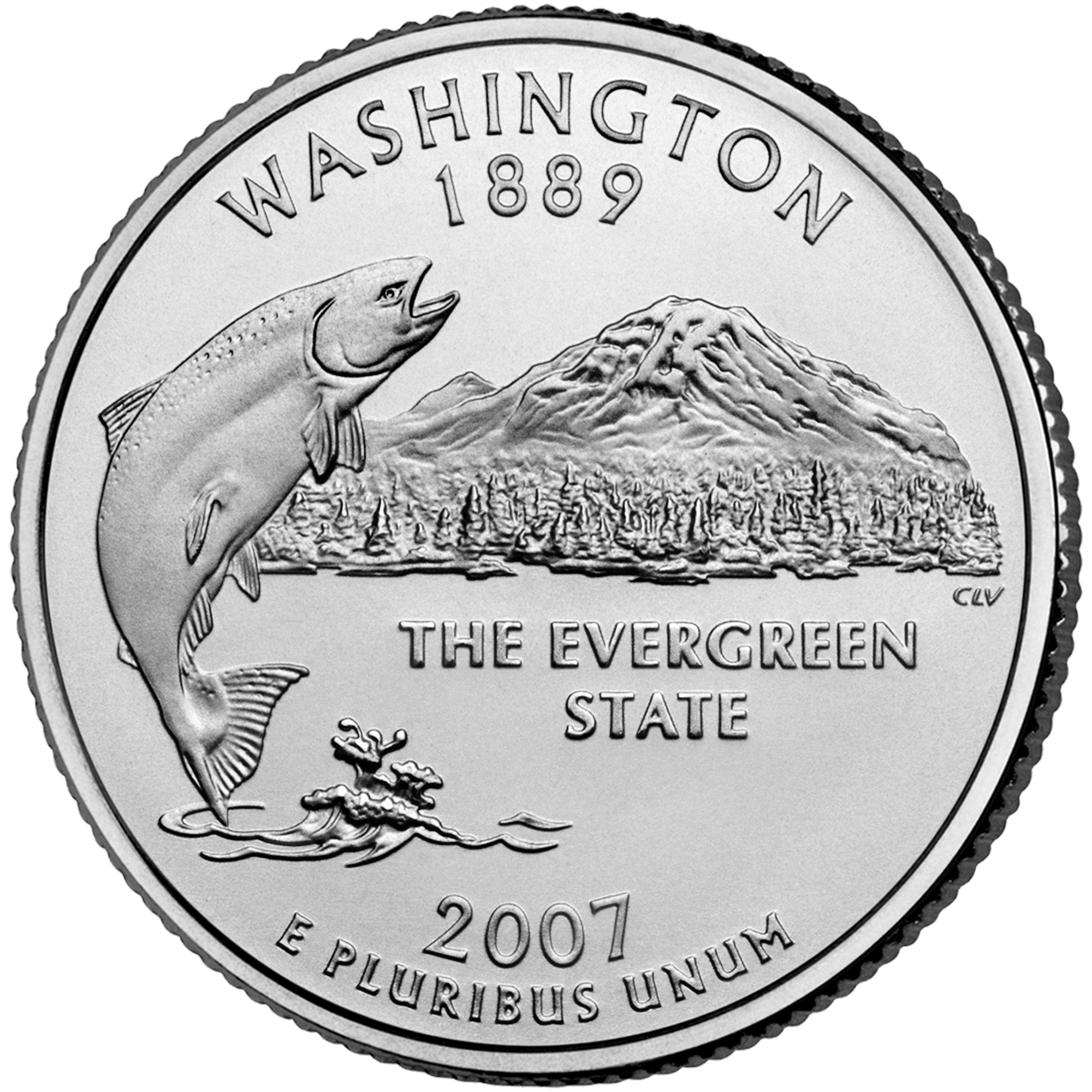
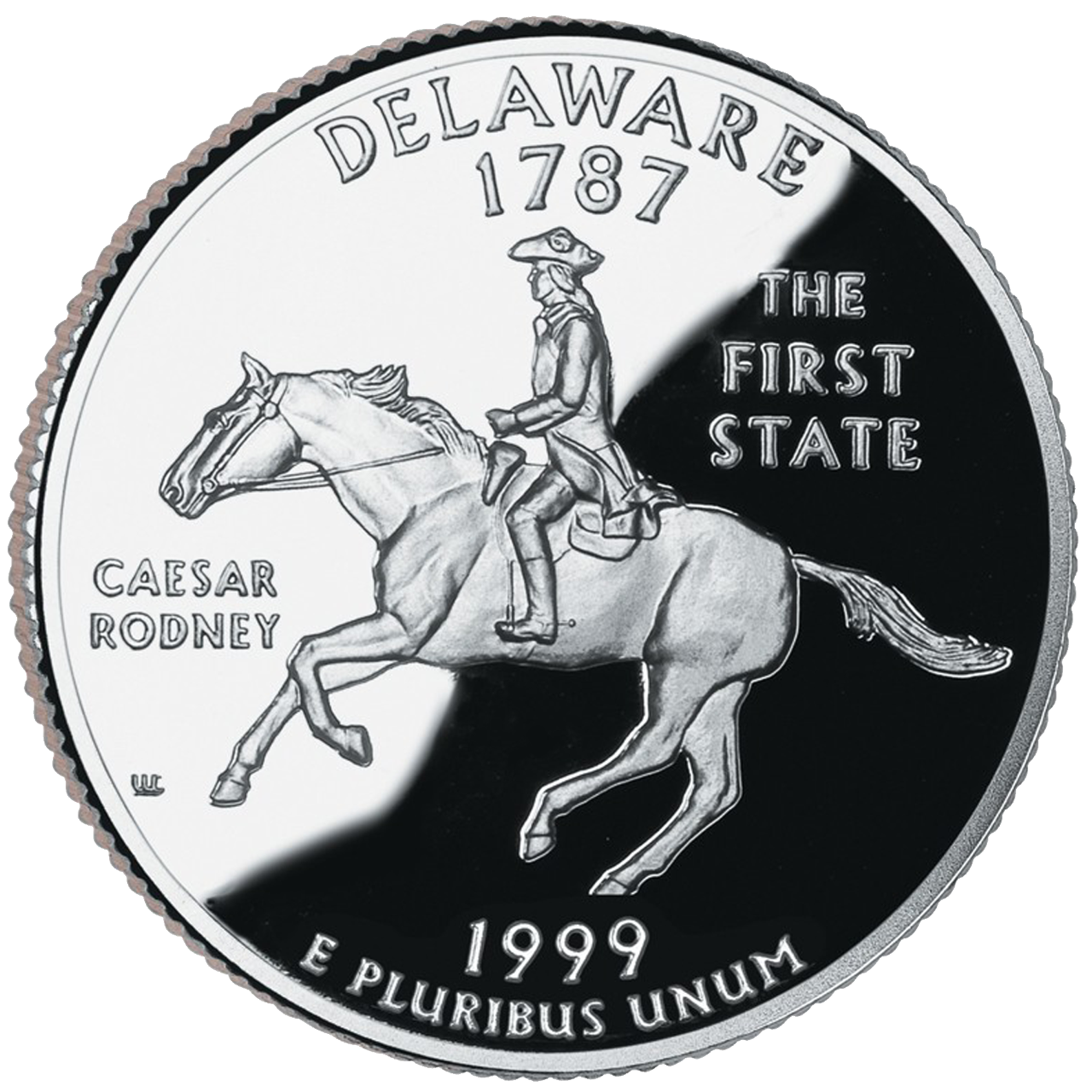
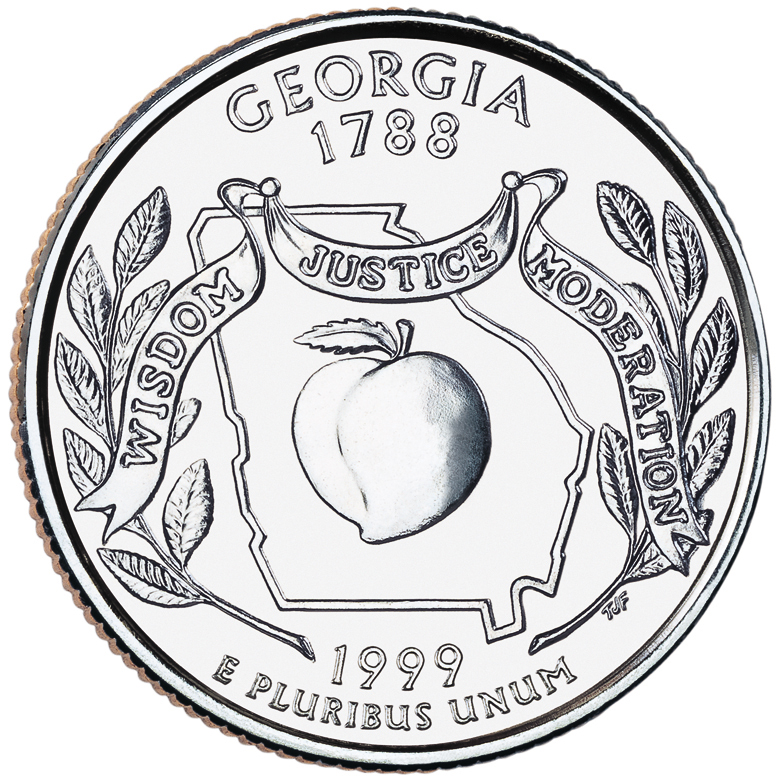
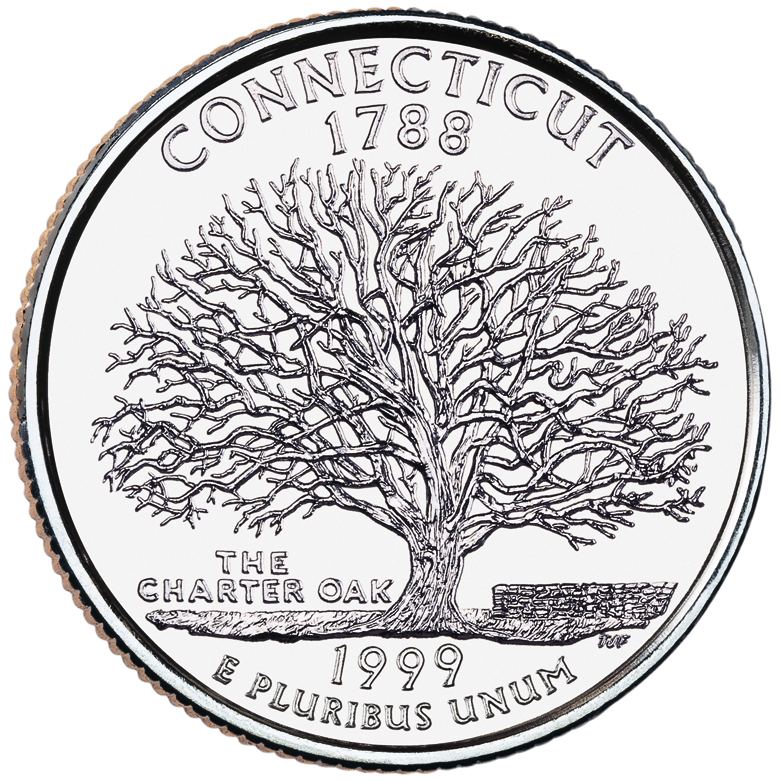
The reverse (tails) of each quarter featured a design related to that state. The obverse (heads) design showed the familiar portrait of George Washington used on the quarter since 1932. But the inscriptions previously used on the reverse – “UNITED STATES OF AMERICA,” “QUARTER DOLLAR,” “LIBERTY,” and “IN GOD WE TRUST” – all appear on the obverse in order to accommodate the state designs.
In 2009, the Mint made six more quarter designs for Washington, DC and the five U.S. territories as part of the District of Columbia and U.S. Territories Quarters Program.
Watch the video below to learn about the design for the Maryland coin in the 50 State Quarters Program.



50 State Quarters in 2000
Massachusetts, Maryland, South Carolina, New Hampshire, Virginia
Press Release >