icon-dot-gov icon-https Locked padlock icon
USA Flag
An official website of the United States government. Close/span>

Coins Online - August 2026


Rarest of Rare—The 1804 Silver Dollar

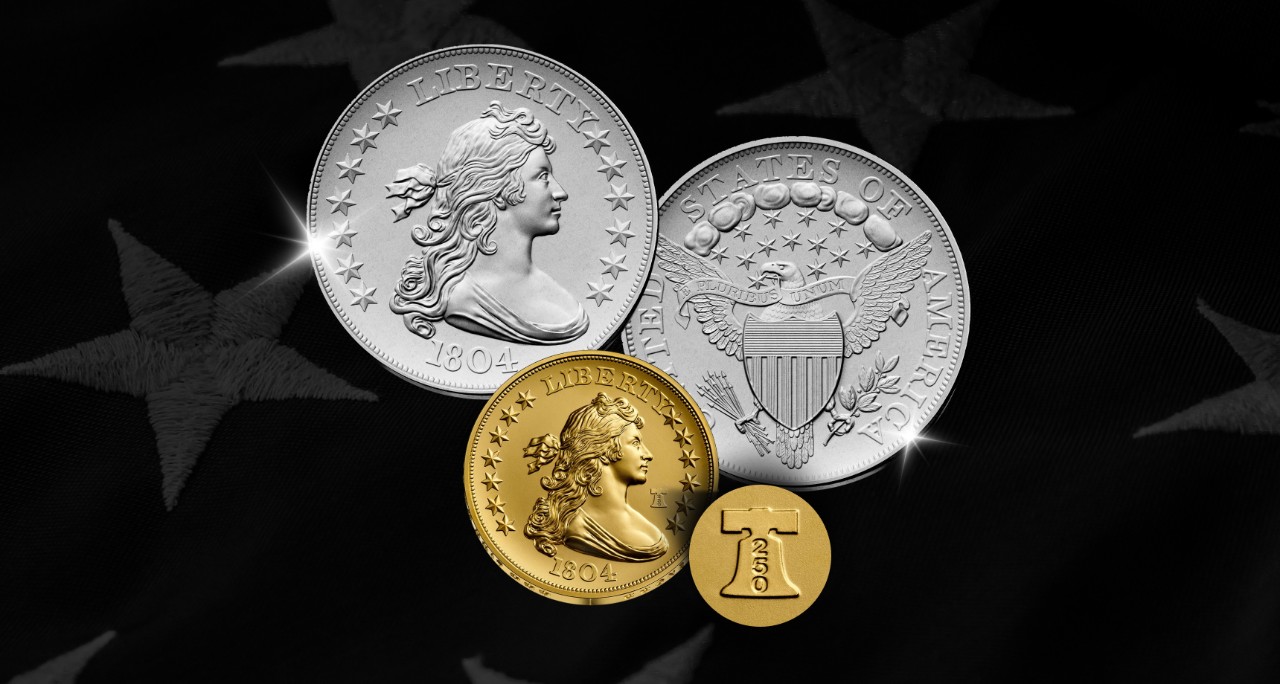
1804 Silver Dollar and Gold Coin

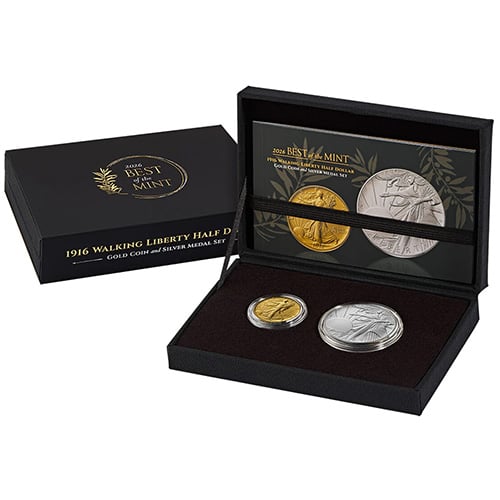
With the upcoming release of this month's Best of the Mint Gold Coin & Silver Medal Set, the Mint is bringing back one of the rarest designs to ever appear on a U.S. coin: The 1804 Silver Dollar.

The 1804 Silver Dollar—not to be confused with the Draped Bust Liberty which has the same design—wasn't actually made in 1804. It's a design from 1803, that was dated 1804, then disappeared when silver was discontinued, only to be brought back for special use in the 1830s and 1850s. ... Wait. What? Let's slow it down a minute.

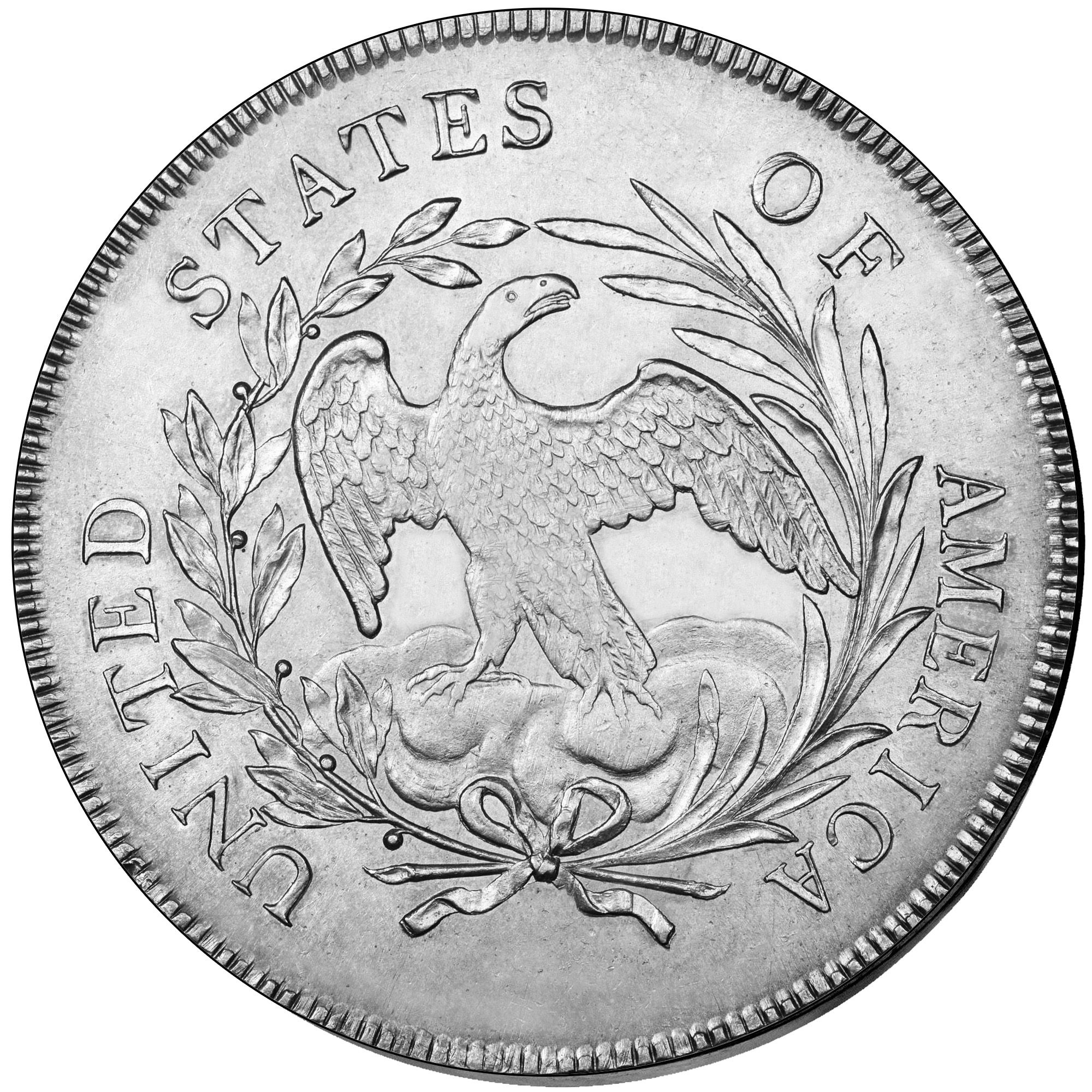
The history of the 1804 Silver Dollar is complicated, so it's better to keep it simple. When numismatists talk about the 1804 Silver Dollar, they are almost certainly talking about the rare non-circulating coins from the 1830s and 1850s. These coins were struck with the Draped Bust Liberty design on the obverse, since those dies were still available from the last time silver dollars had been struck 30 years prior.
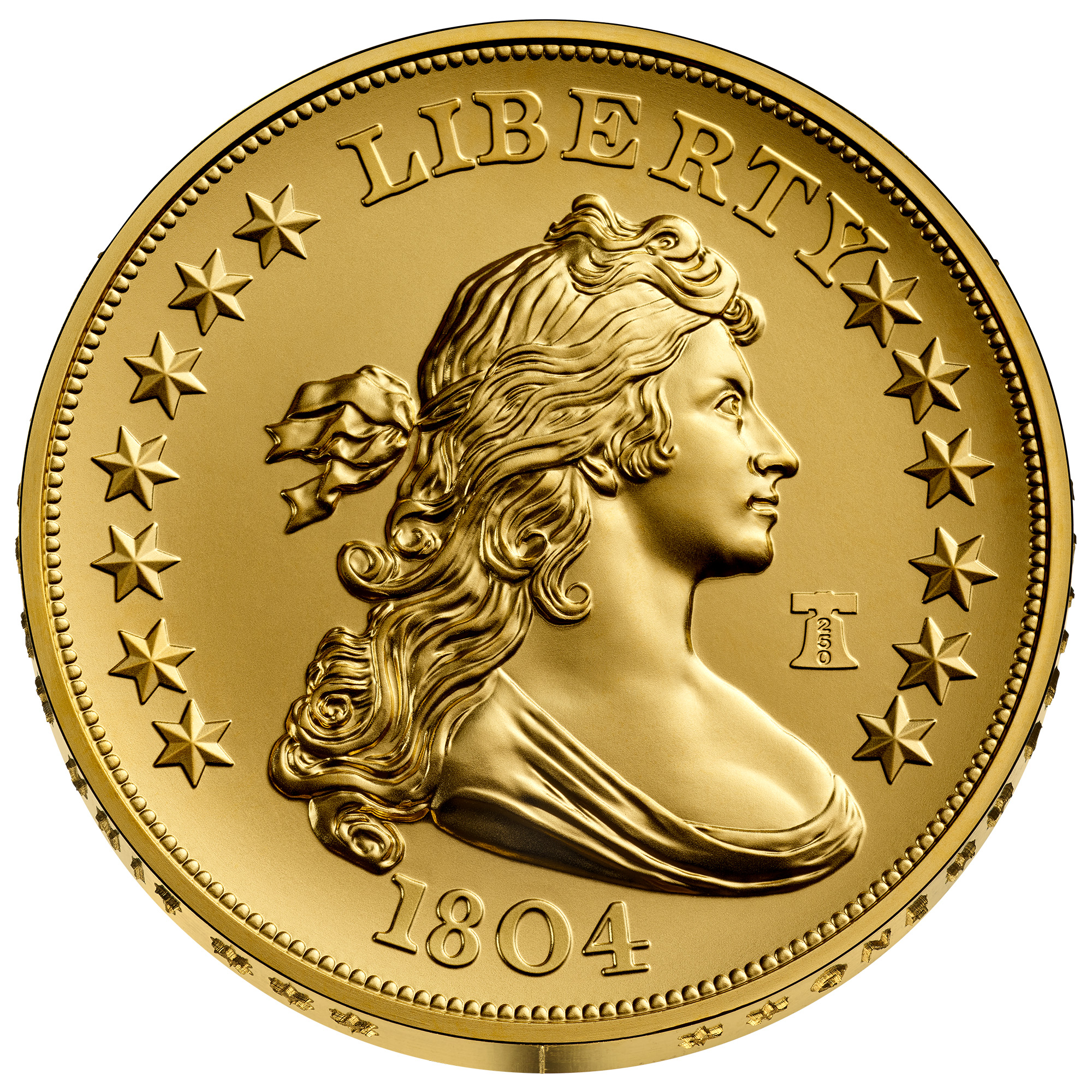
1804 Silver Dollars are rare, and that's what makes them special. And when we say "rare," we mean REALLY rare. Only 16 specimens of the 1804 Silver Dollar are known to exist, and the last one to go up for auction sold for $6 million in 2025. 

It's been nearly 170 years since the Mint last struck a coin with the 1804 Silver Dollar design on it, so don't miss this once-in-a-lifetime chance to own a piece of history!


Did you know? In 1834, President Andrew Jackson requested coins be produced as gifts for the King of Siam and Sultan of Oman. Since silver dollars had not been made for 30 years, the Mint created new dies using the last known design from 1804. Eight coins are known to exist from the 1834-1835 time period, collectively called the "Class I" 1804 dollars.


The Trojan Ounce

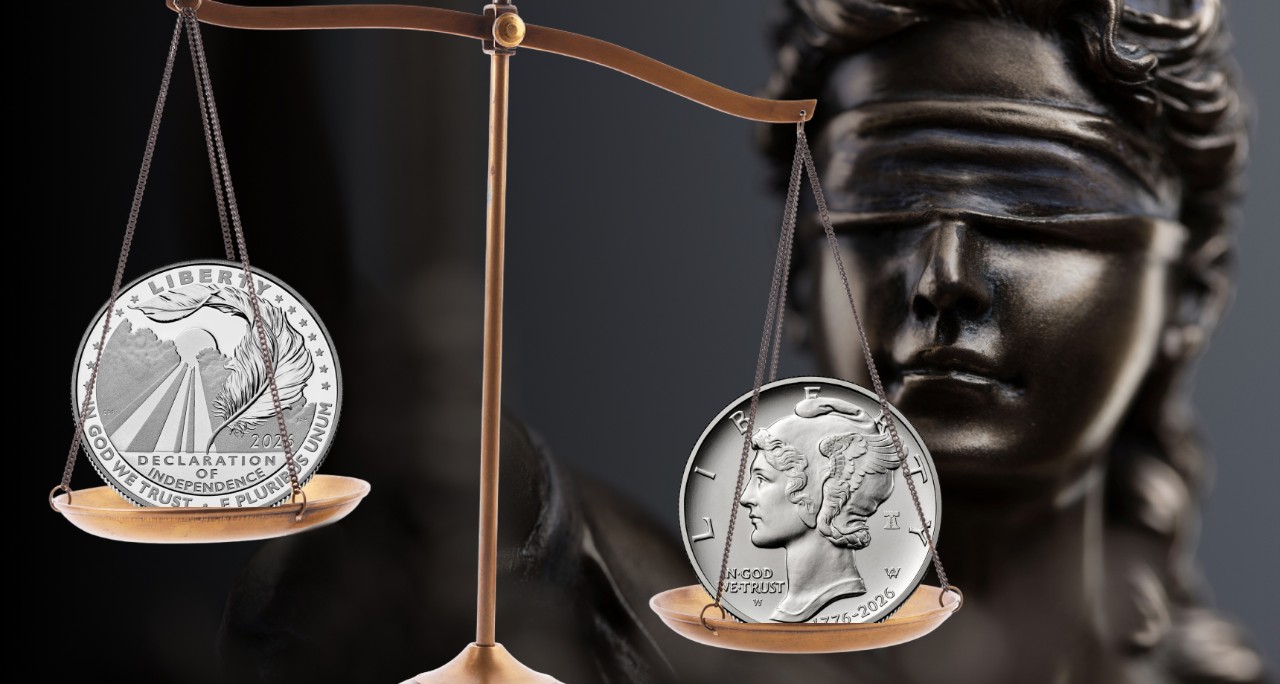
Justice Is Blind Statue with Scales and Coins

As any serious collector knows, precious metals are weighed in troy ounces. But what exactly is a troy ounce? Is it the measure that launched a thousand ships? The weight of an ancient wooden horse? Actually, troy ounces have nothing to do with the city of Troy—although, Ancient Greece did feature some of the first standarized coins. Let's take a quick odyssey to explore the history of the troy ounce.

In the United States, we typically weigh goods using a system called avoirdupois (good luck pronouncing that). While the name—meaning “goods of weight”—might not ring any bells, everyone knows the basic concept of grams, ounces, pounds, and tons. But, here's where things get tricky.

Precious metals aren't weighed in avoirdupois ounces. They're weighed in the troy system, where an ounce weighs 31.1 grams instead of the 28.35 grams in the avoirdupois system. Europe has used this system for precious metals since the Middle Ages, with the name coming from the ancient trading hub of Troyes, France.

Since America started as an English colony and has relied heavily on trade with European partners over the last 250 years, it only makes sense that the troy system is still going strong.

Here's some products that use the troy system to determine their weights:


Did you know? The troy system used by the U.S. Mint isn't the only precious metal measurement used in the United States. For industries such as jewelry and dentistry that use smaller amounts of precious metals, the pennyweight system is sometimes used. This is a fractional system, compatible with the troy system, where one pennyweight equals 1/20th of a troy ounce.


Morgan and Peace Dollar Trivia

Mint Trivia

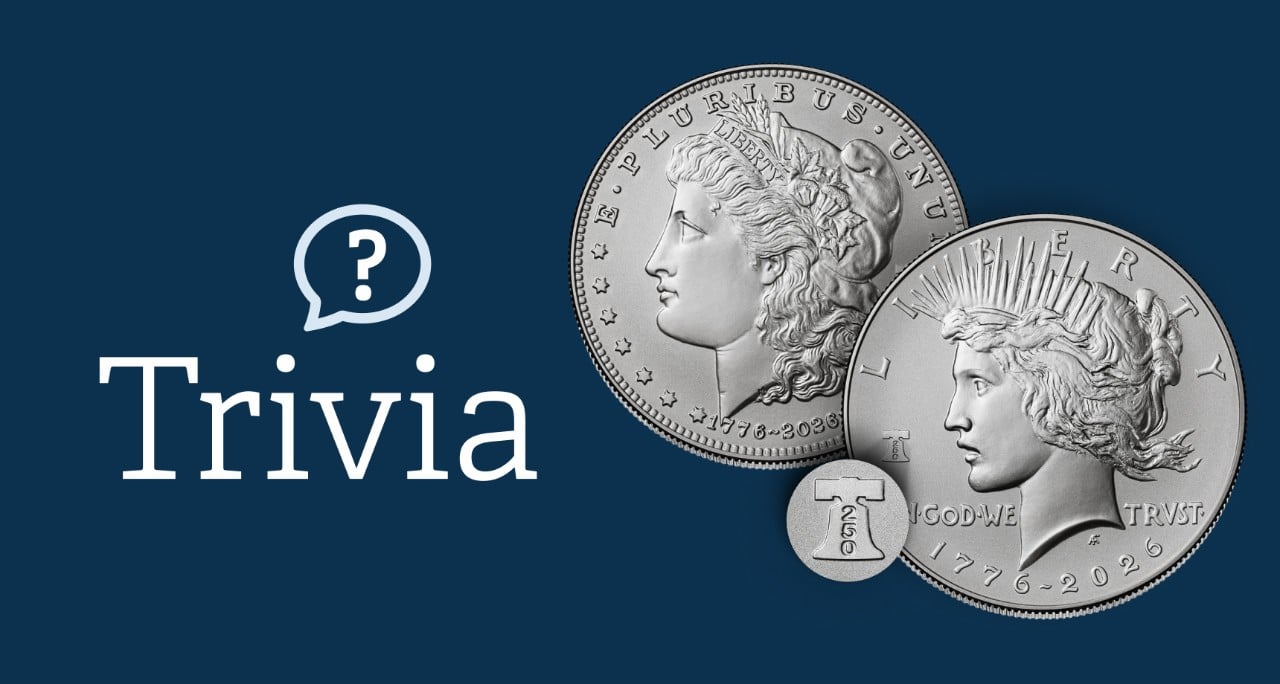
This month's trivia really brings it! Try these ridiculously hard questions about Morgan and Peace Silver Dollars. And don't forget to mark your calendars for the upcoming Morgan & Peace Enhanced Uncirculated release, coming August 25th!


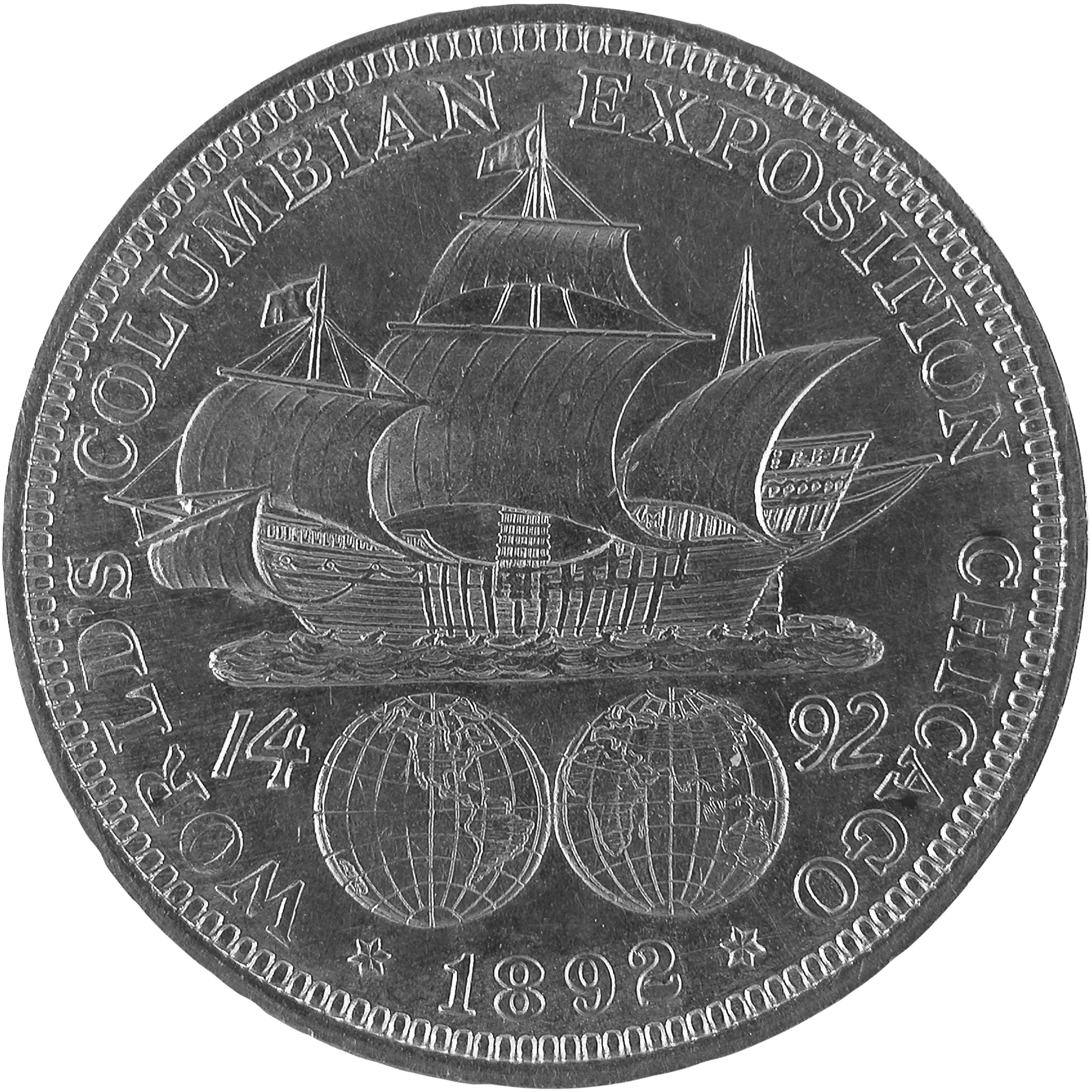
1. George T. Morgan designed the Morgan Silver Dollar and what commemorative coin for the U.S. Mint?

A) Panama-Pacific Exposition Half Dollar

B) Columbian Exposition Half Dollar

C) Columbia, South Carolina Half Dollar

D) Columbus Quincentenary Half Dollar

2. In what year did the Peace Silver Dollar NOT circulate?

A) 1928

B) 1929

C) 1927

D) 1935

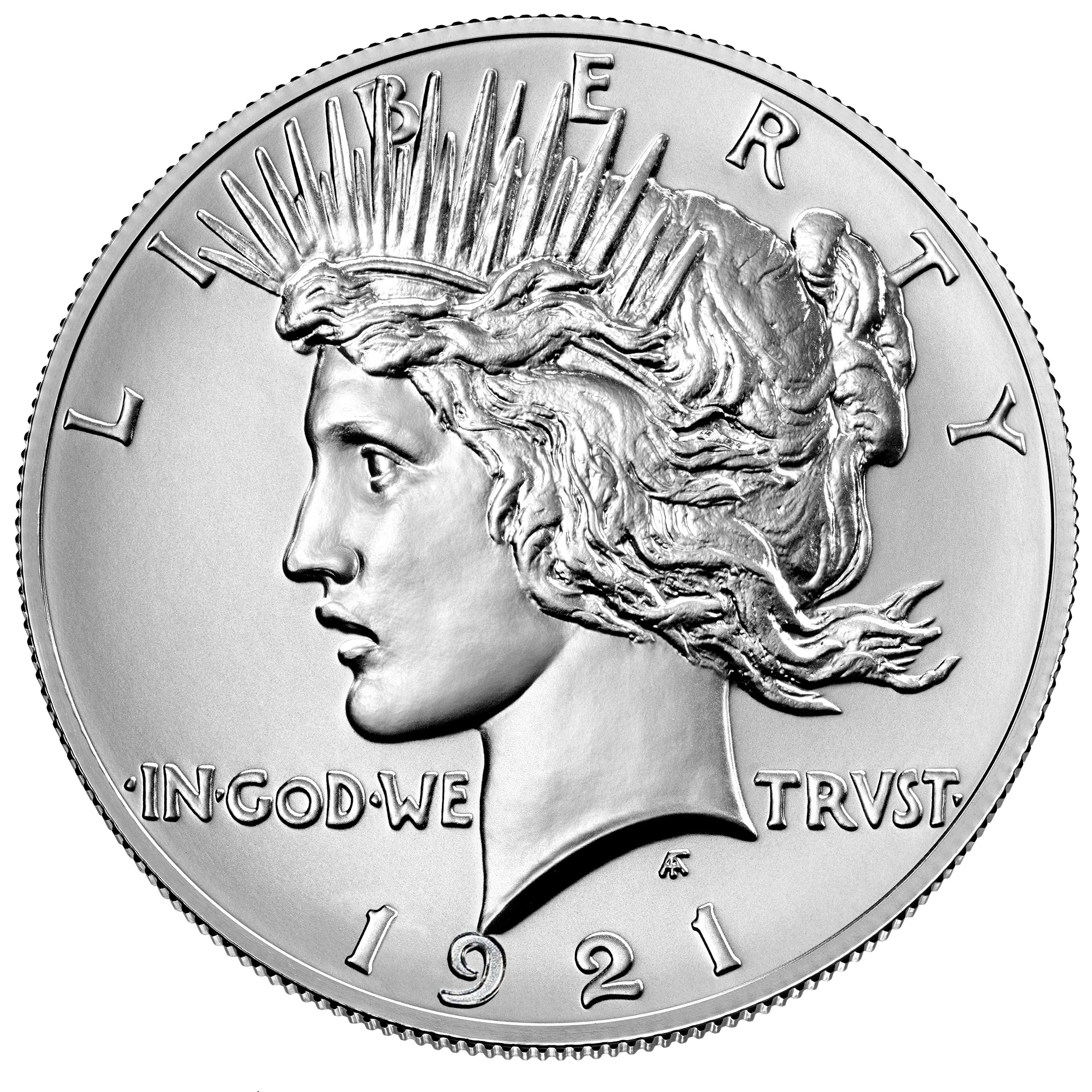
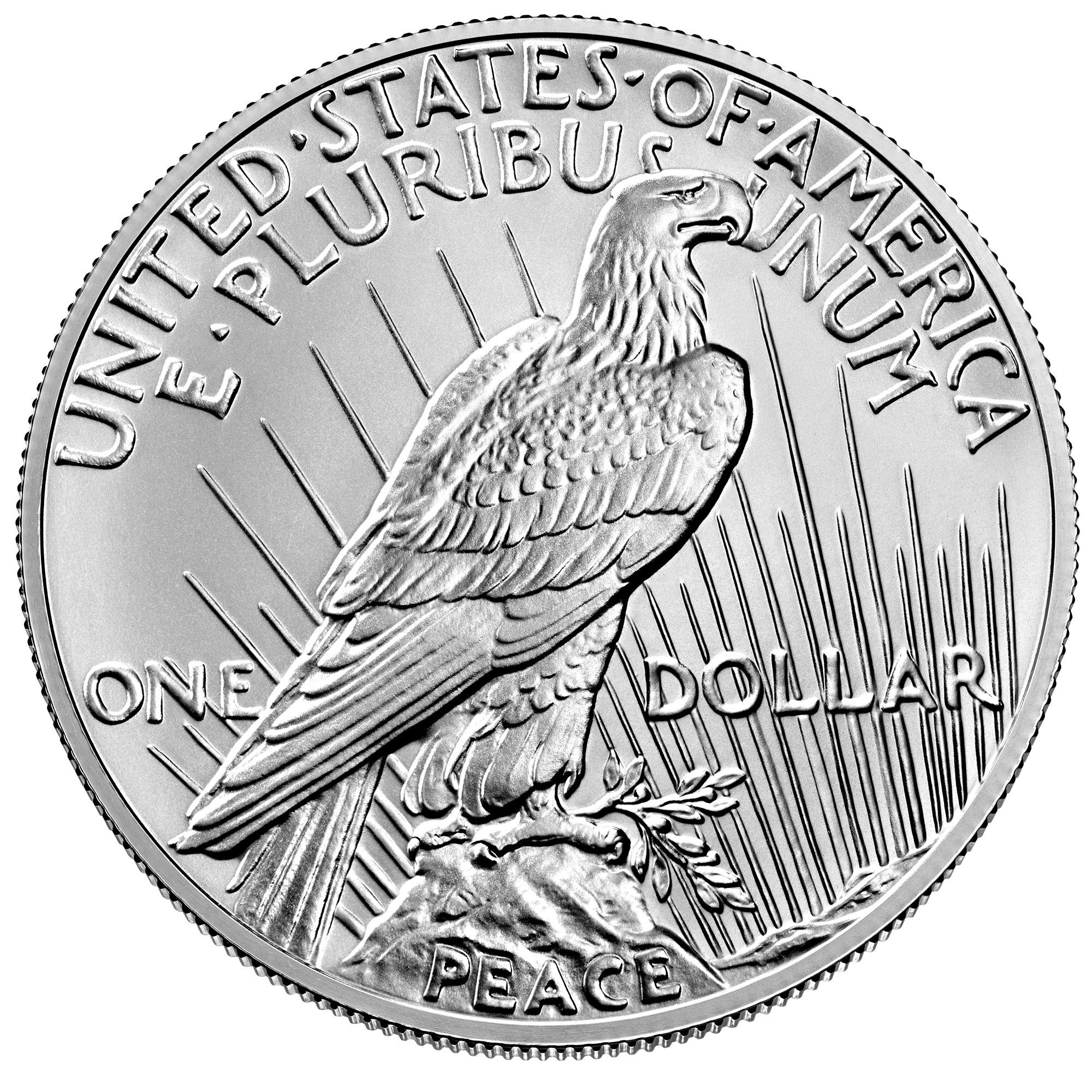
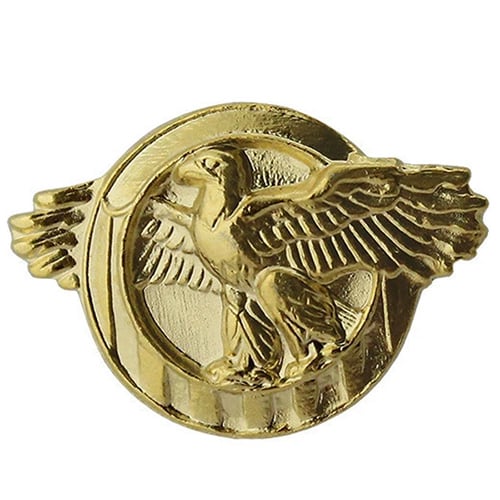
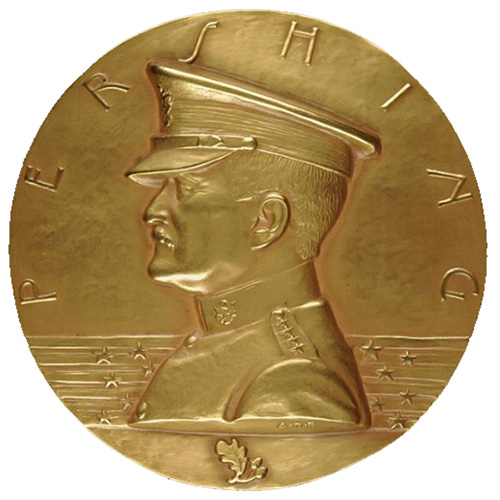
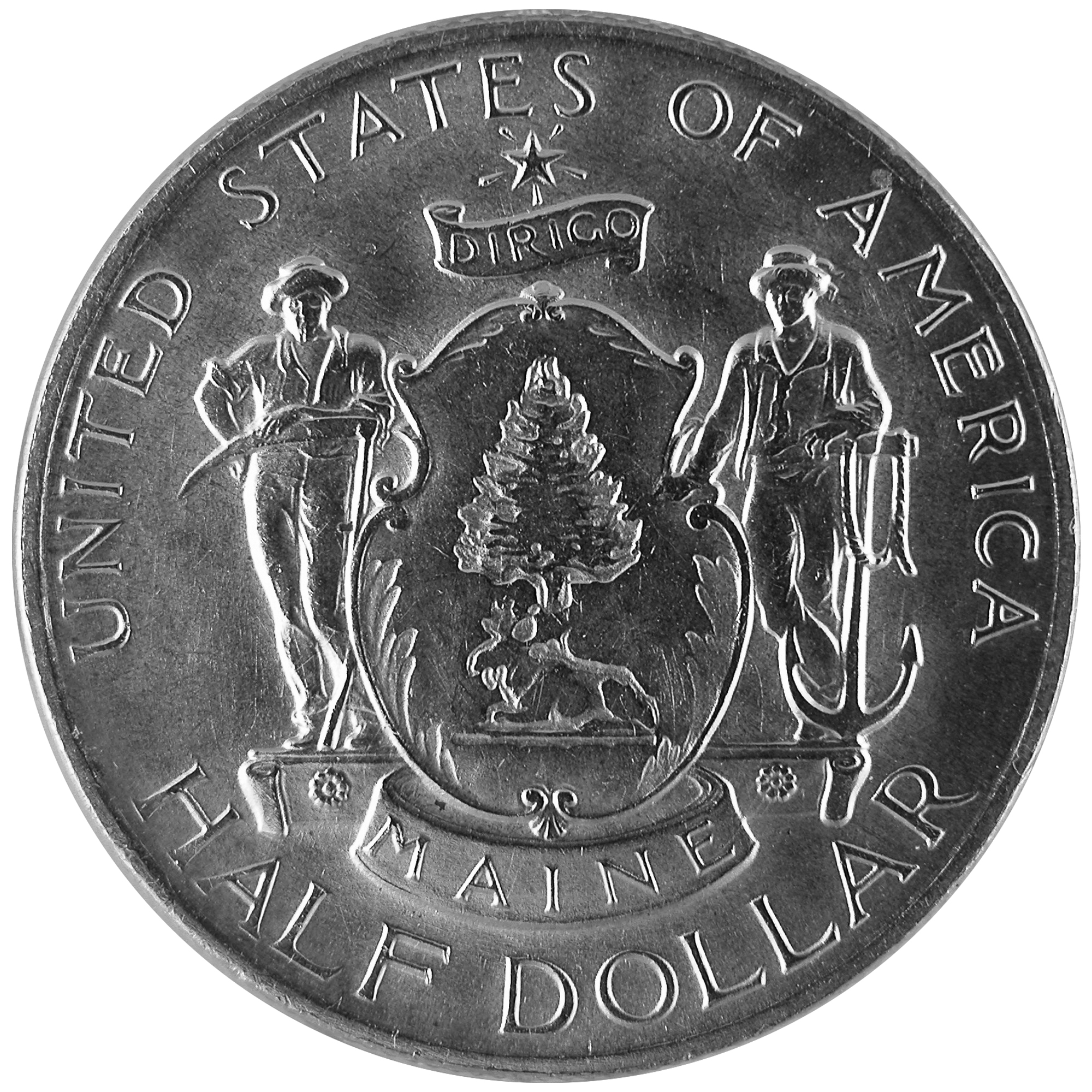
3. Italian-American sculptor Anthony de Francisci designed the Peace Silver Dollar in 1921. Which of the following designs did he also do?

A) "Ruptured Duck" Honorable Service Lapel Pin (1939)

B) General Pershing Congressional Gold Medal (1946)

C) Maine Centennial Half Dollar (1920)

D) All of the above


1. (B) Columbian Exposition Half Dollar

In 1892, George T. Morgan designed the reverse of the Columbian Exposition Half Dollar, the very first commemorative coin issued by the United States Mint.


2. (B) 1929

The Peace Silver Dollar circulated from 1921-1928. However, because of lack of demand caused by the Great Depression, it did not circulate again until 1934.


3. (D) All of the above

Althouh he did not design a large number of coins and medals for the United States Mint, Anthony de Francisci had a distinguished career. In addition to the Peace Dollar, he is best known for designing the Honorable Service Lapel Button (commonly known as the "Ruptured Duck"). The Ruptured Duck was worn by millions of WWII veterans and was even featured on a USPS stamp in 1946.

Latest Products

Check out the latest and greatest products available from the United States Mint, exclusively on our website.