icon-dot-gov icon-https Locked padlock icon
USA Flag
An official website of the United States government. Close/span>

Commemoratives 1892-1954

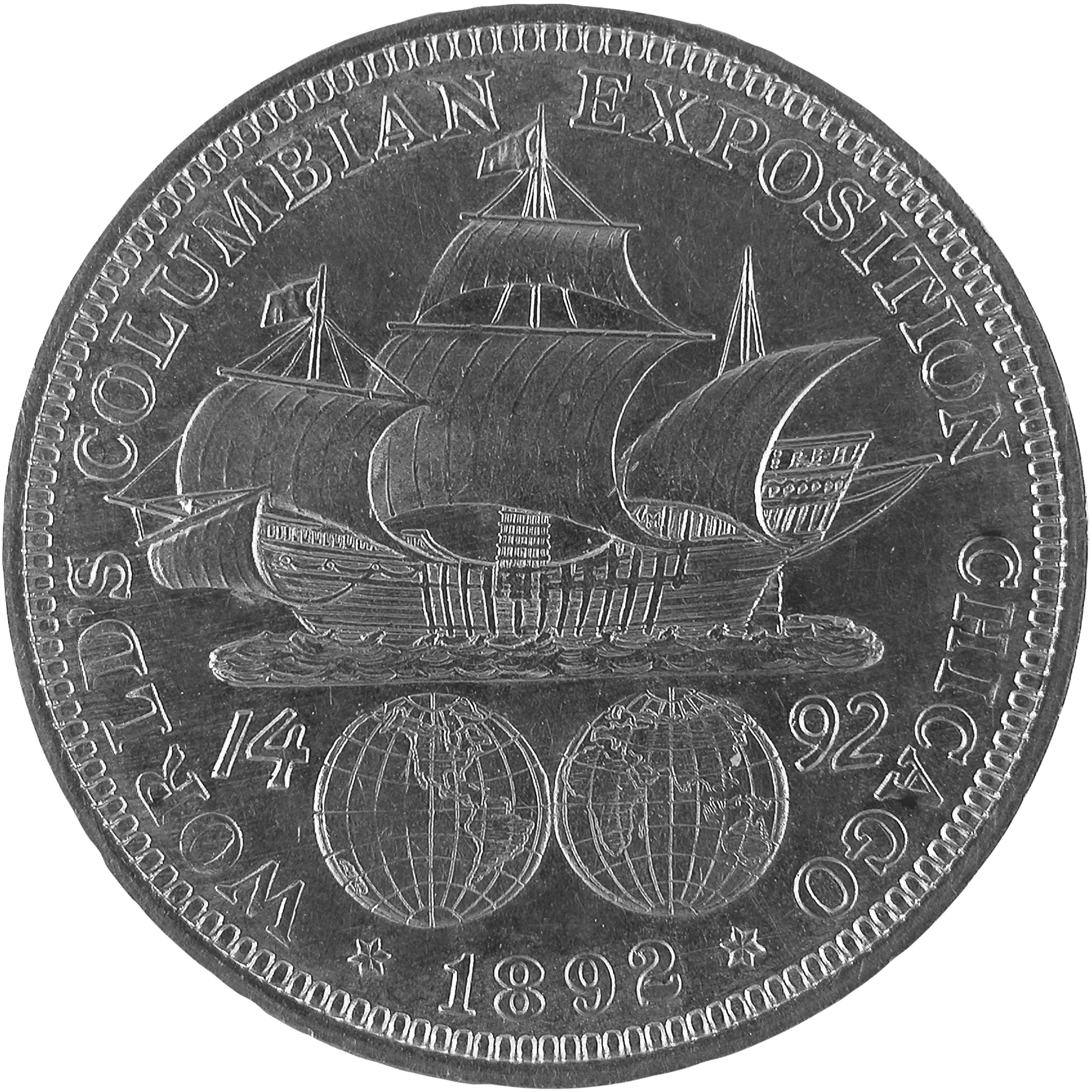
The 1892 Columbian Exposition Half Dollar was the first commemorative coin produced by the U.S. Mint. From 1892 through 1954, Congress authorized the Mint to strike commemorative coins for 53 different events, occasions, or individuals. This resulted in the Mint producing over 180 silver and gold coins.

As early as 1925, many in Congress expressed concern over bills introduced to commemorate events "of local and not national interestt." After extensive hearings on the "abuses related to the issuance of special coins" (as published in House Report No. 101, issued February 27, 1939), Congress passed legislation prohibiting the "issuance and coinage of certain commemorative coins" (Public Law No. 278 approved by the 76th Congress on August 5, 1939), which also halted the issue of all commemorative coins already approved.

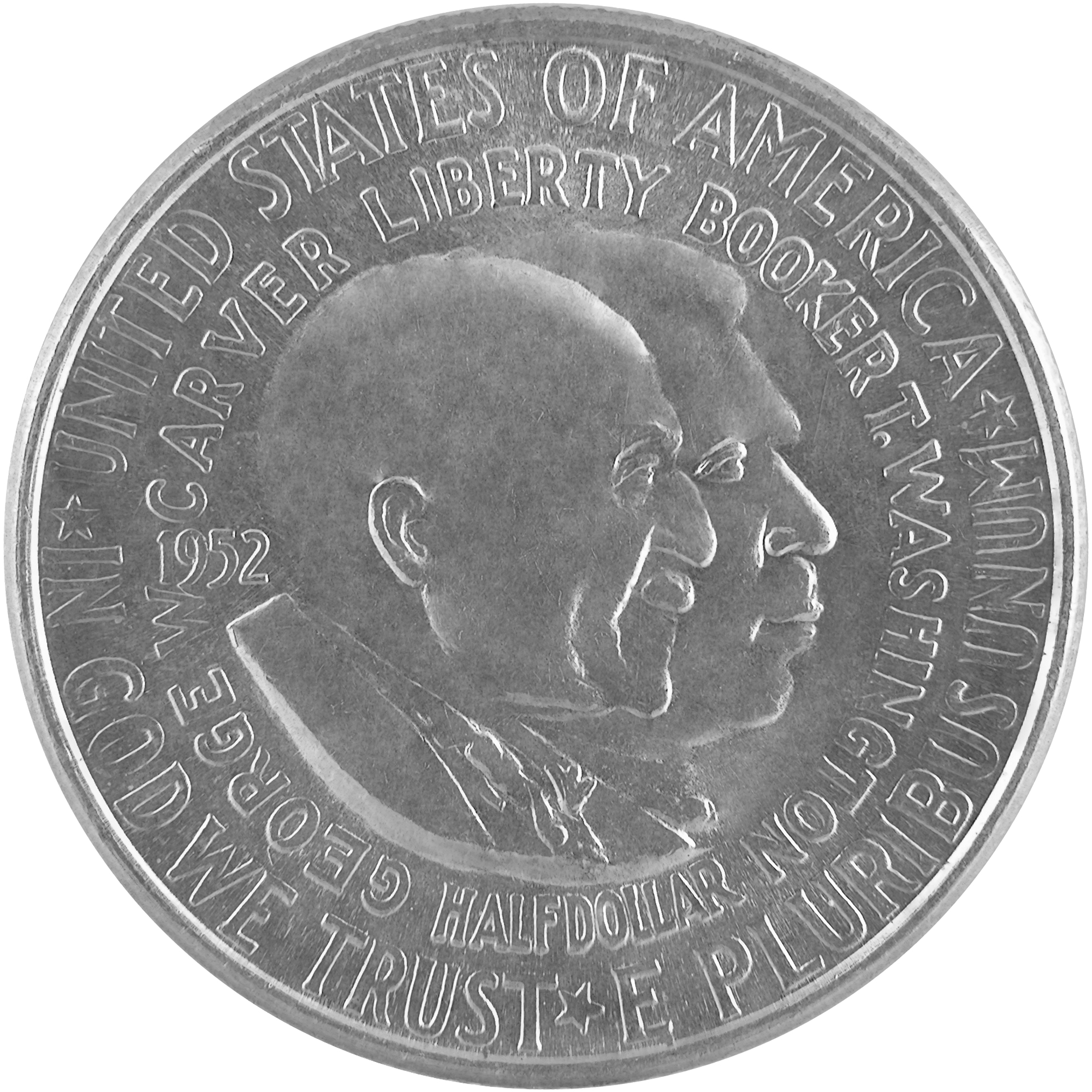
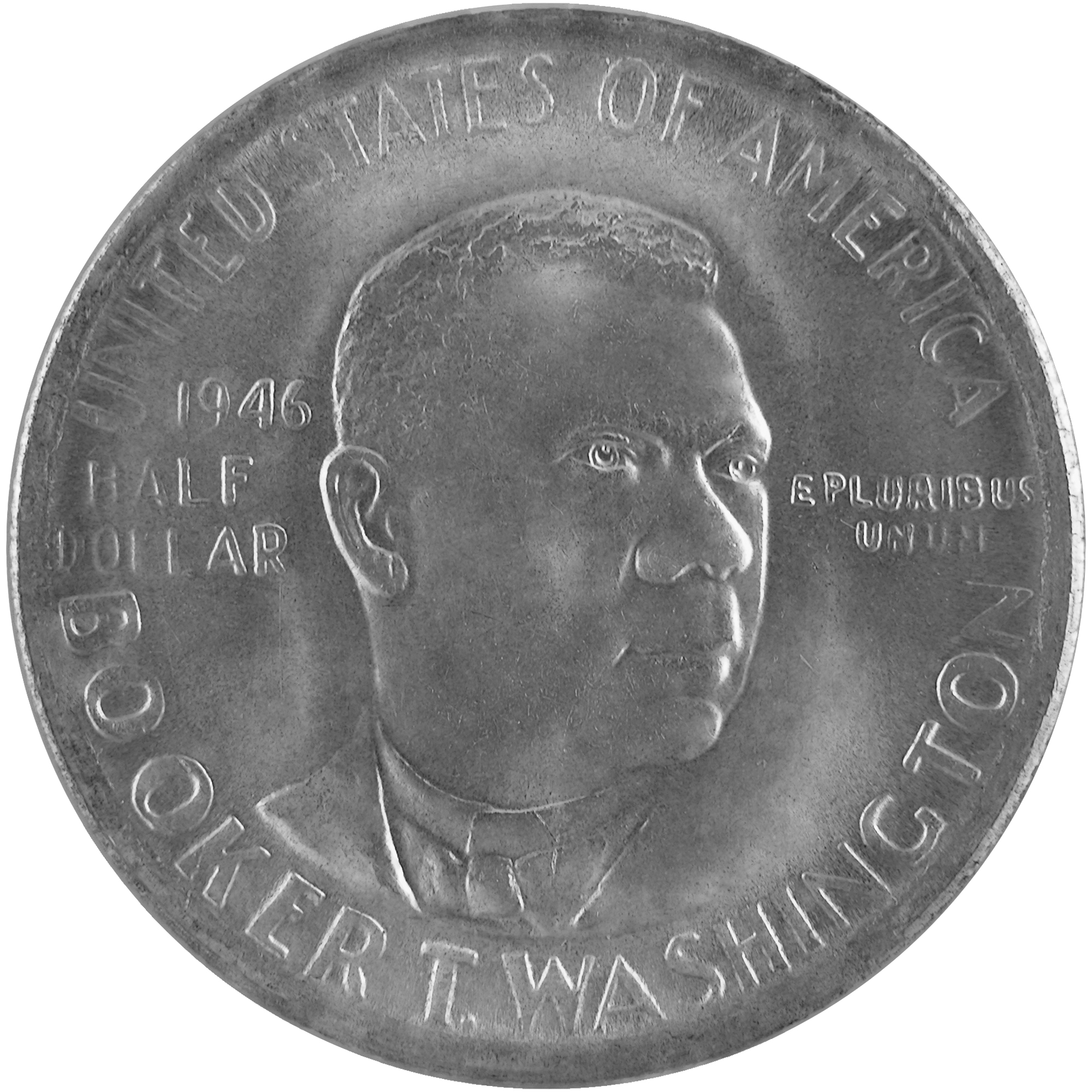
With the exception of acts signed on August 7, 1946, for the Iowa Centennial and Booker T. Washington half dollars, and an amendment to one of these in 1951 for the Carver-Washington Half Dollar, no further coins were authorized. Produced from 1951 through 1954, the Carver-Washington half dollar was the last of the pre-modern commemorative coin programs.
1940s and 1950s

In 1939, Congress stopped authorizing new coins because a glut of commemorative coins on the market had caused their value to decline, and the U.S. Treasury became concerned that so many coins might facilitate counterfeiting. These sentiments were echoed by President Dwight D. Eisenhower, who in 1954 vetoed legislation for a half-dollar honoring the tercentennial of New York City and remarked that "large quantities [of coins] have remained unsold and have been returned to the mints for melting." The historical era concluded with the minting of George Washington Carver and Booker T. Washington half-dollars between 1951 and 1954.1

Click on the coins below to learn more. 

Commemorative Coins in the 1930s

1935 Connecticut Commemorative Obverse

Under Nellie Tayloe Ross (Director from 1933-1953), the Mint produced a large volume of commemorative coins in this decade. 1936 was an especially big year, as the Mint released a record 18 commemoratives, mostly to celebrate city centennials. 

1935 Connecticut Commemorative Obverse

First Commemorative Coins

The first commemorative coin was authorized by 27 Stat. 389 in 1892 for the World's Columbian Exposition in Chicago. The proceeds for the sale of these half dollars were used "for the purpose of aiding in defraying the cost of completing in a suitable manner the work of preparation for inaugurating the World’s Columbian Exposition."

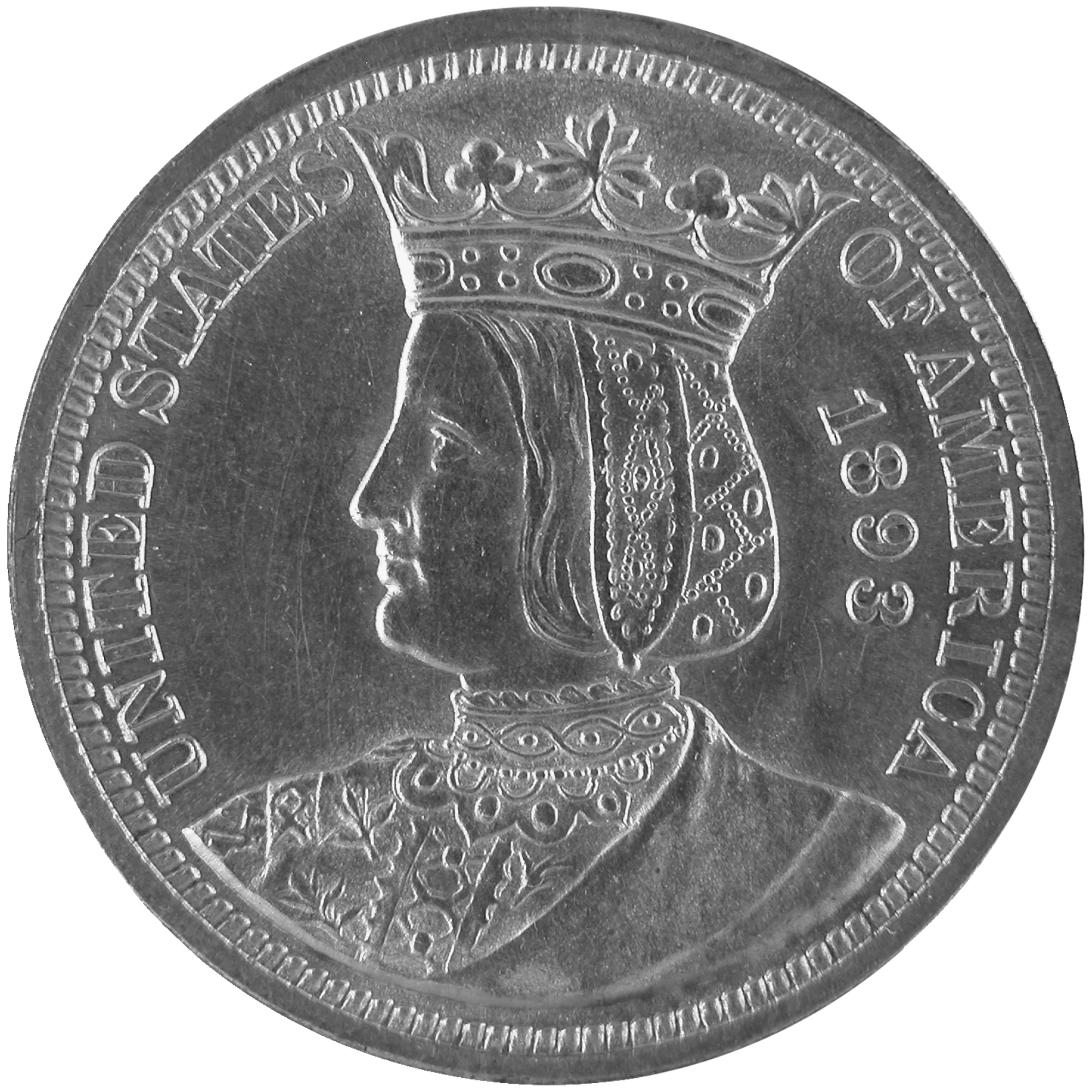
The second commemorative coin was the silver quarter honoring Queen Isabella, authorized by 27 Stat. 586 in 1893. Also created for the World’s Columbian Exposition in Chicago, the coin was produced after lobbying by the Board of Lady Managers for the Exposition, of which Susan B. Anthony was a prominent member.

Click on the coins below to learn more. 

1United States Congress. "Commemorative Coins: Background, Legislative Process, and Issues for Congress." June 2025. <https://www.congress.gov/crs-product/R44623>.

2Ibid.